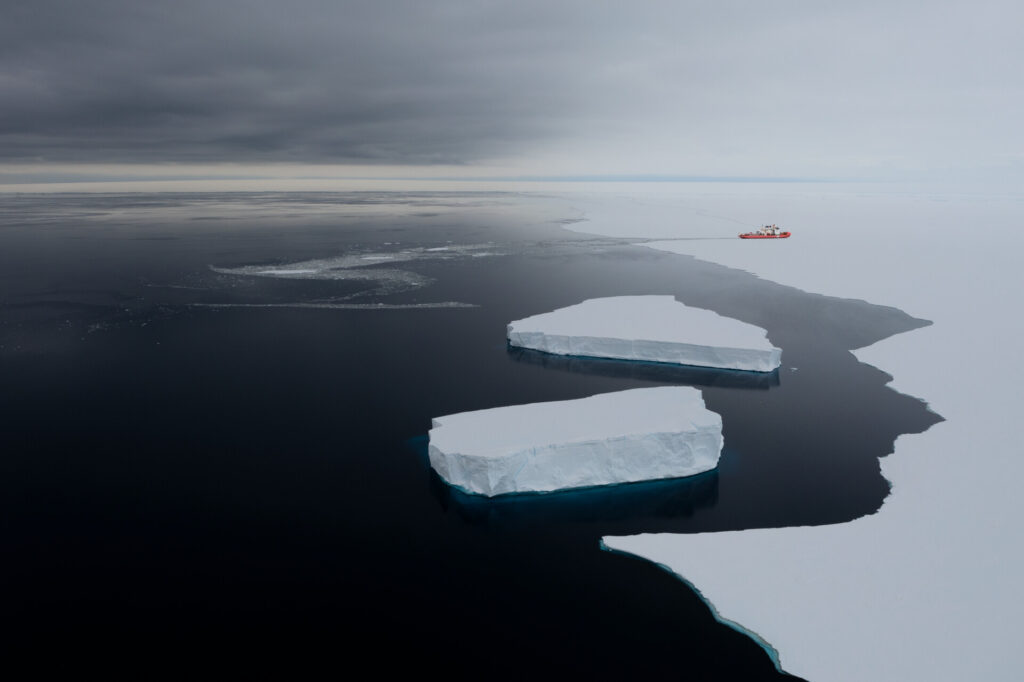
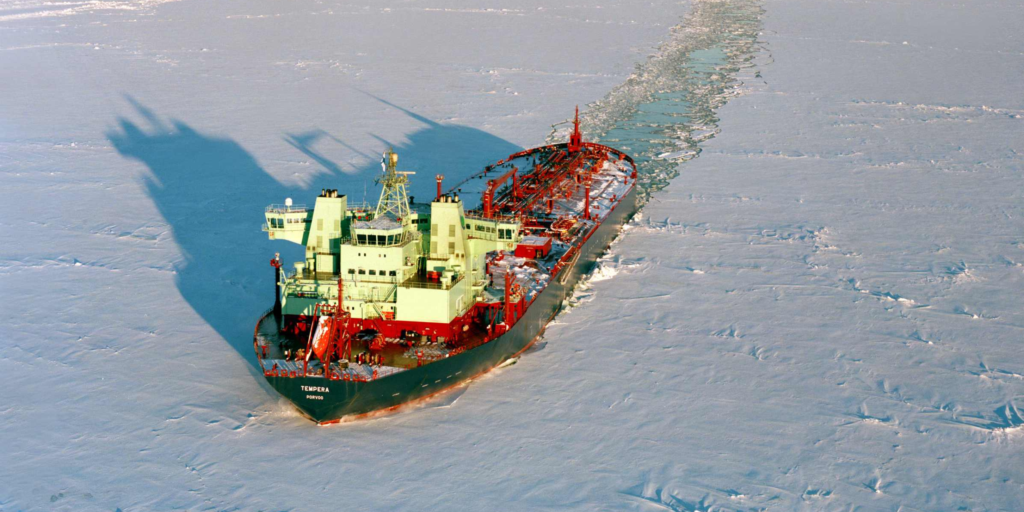
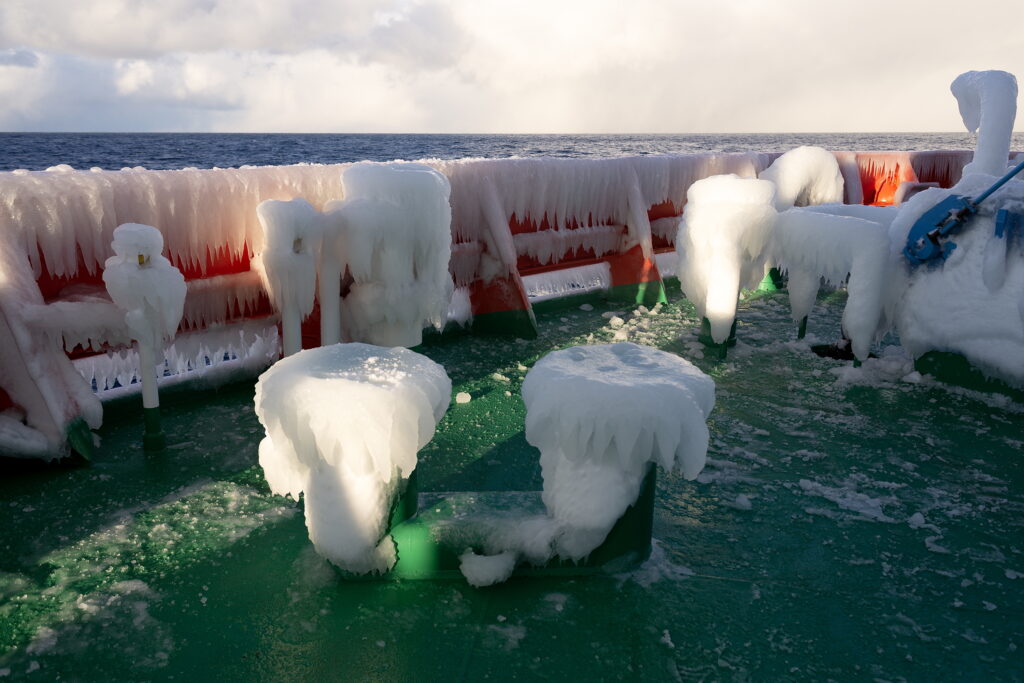
The 2025 – 2026 winter was not exceptional in terms of ice extent, but it pushed the icebreaking fleets across the Baltic Sea to their limits. Rapid ice formation, combined with wind-driven compression, resulted in full fleet deployment across multiple sea areas.
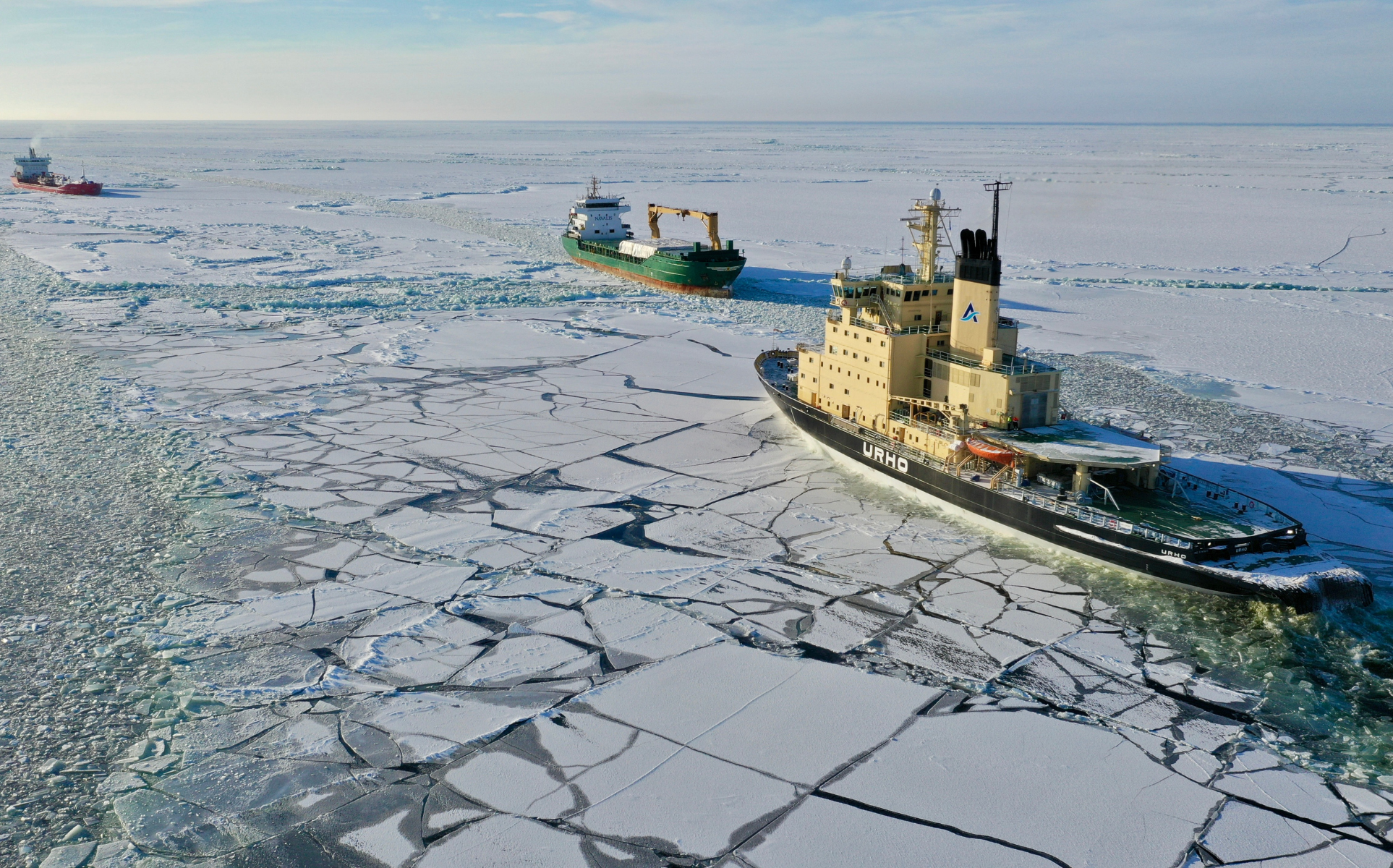
The 2025-2026 ice navigation season proved demanding across the Baltic Sea. After a delayed start and relatively mild early conditions, winter intensified rapidly in mid-January, driving a sharp escalation in icebreaking operations. By February 2026, Finland, Sweden, Estonia, Latvia, and Germany had a total of 24 icebreakers deployed across the region.
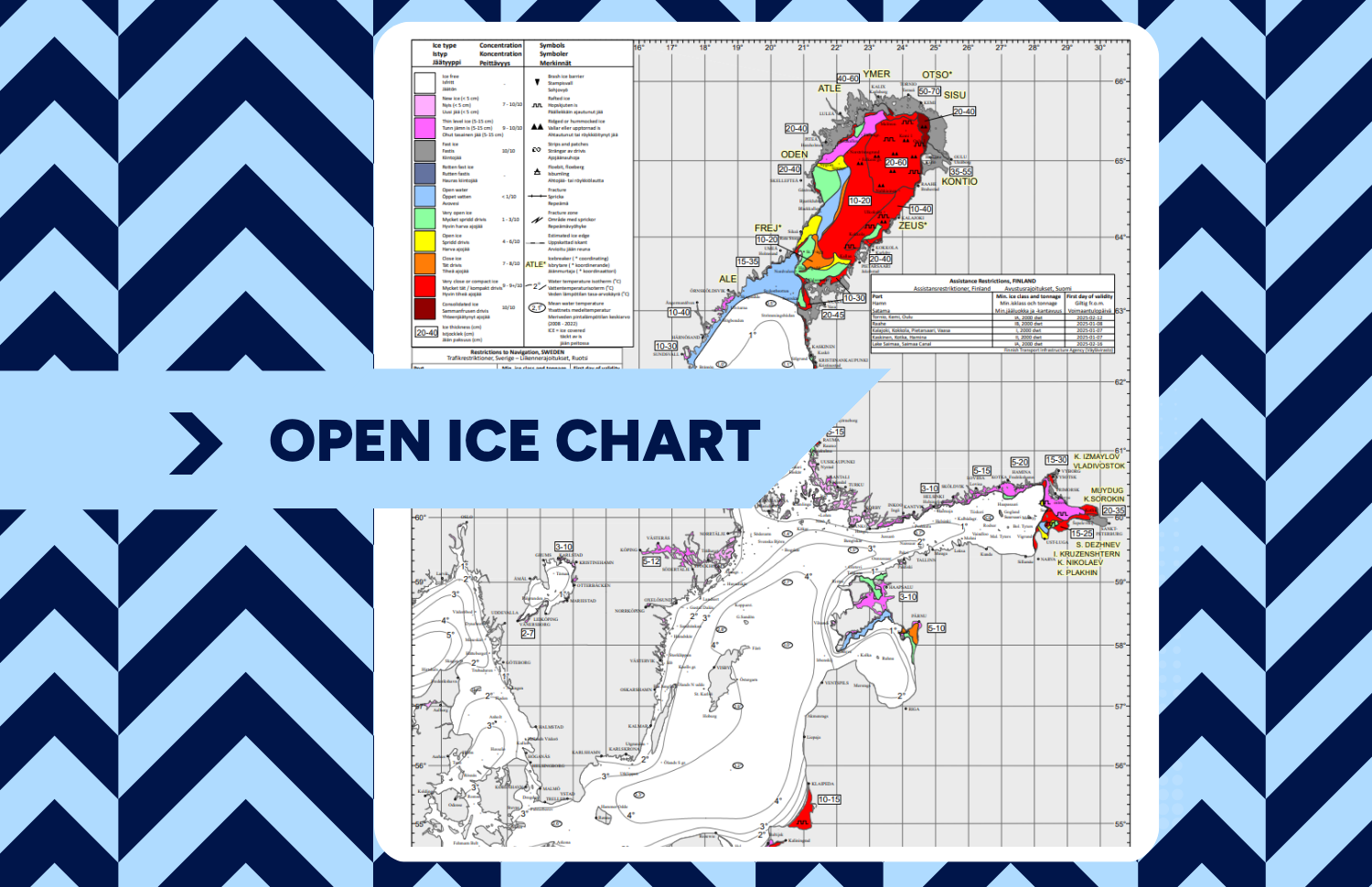
The Finnish Meteorological Institute published its first ice chart on 16 October 2025, although initial ice formation did not occur until nearly a month later. Assistance restrictions in Finland and Sweden began in the final week of November, a month earlier than the previous year.
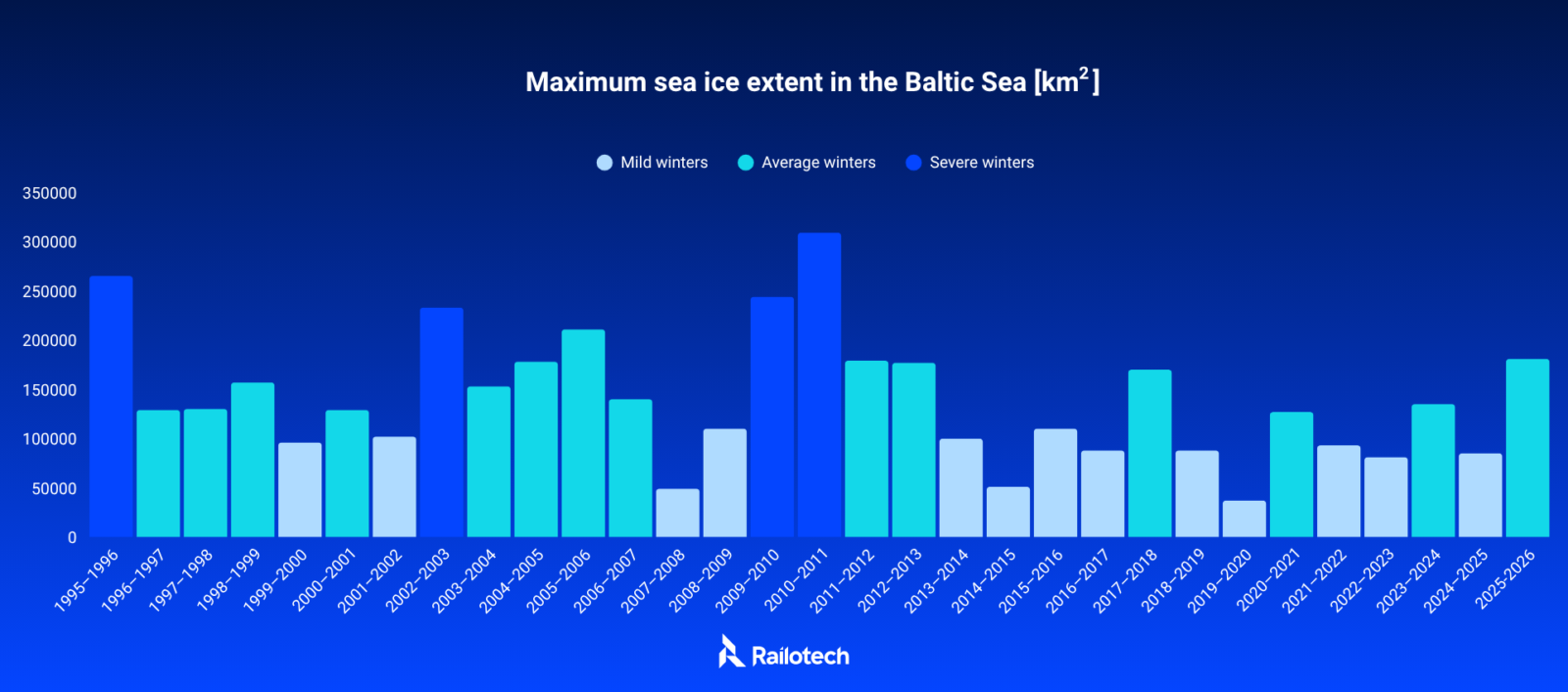
Until mid-January, ice conditions remained relatively light in the Bothnian Bay, the most demanding operational area between northern Finland and Sweden. Conditions then shifted decisively. By the end of January, the northern part of the Gulf of Bothnia became fully ice-covered, and within days the ice extent exceeded 115,000 km², the threshold of an average winter.
Traffic restrictions ensure safety and continuity
Between 14 February and 15 March, all Finnish ports operated under assistance restrictions. These were gradually lifted from mid-March onwards, beginning in the Gulf of Finland and the Bothnian Sea, until the final restrictions in the Bothnian Bay were removed and the icebreaking season was declared over on 5 May.
Icebreaking remains critical to maintain safe and reliable winter navigation, as well as for safeguarding security of supply. Under restriction regimes, only merchant vessels meeting defined ice class requirements are eligible for icebreaker assistance. This ensures that winter traffic is limited to ships with sufficient structural ice strengthening and operational capability to safely maintain pace with the icebreakers in demanding conditions.
Revised Finnish deployment strategy
In a notable operational shift, the Finnish Transport Infrastructure Agency adjusted its deployment model to improve cost efficiency. Rather than dispatching its largest assets first, the season began with smaller icebreakers.
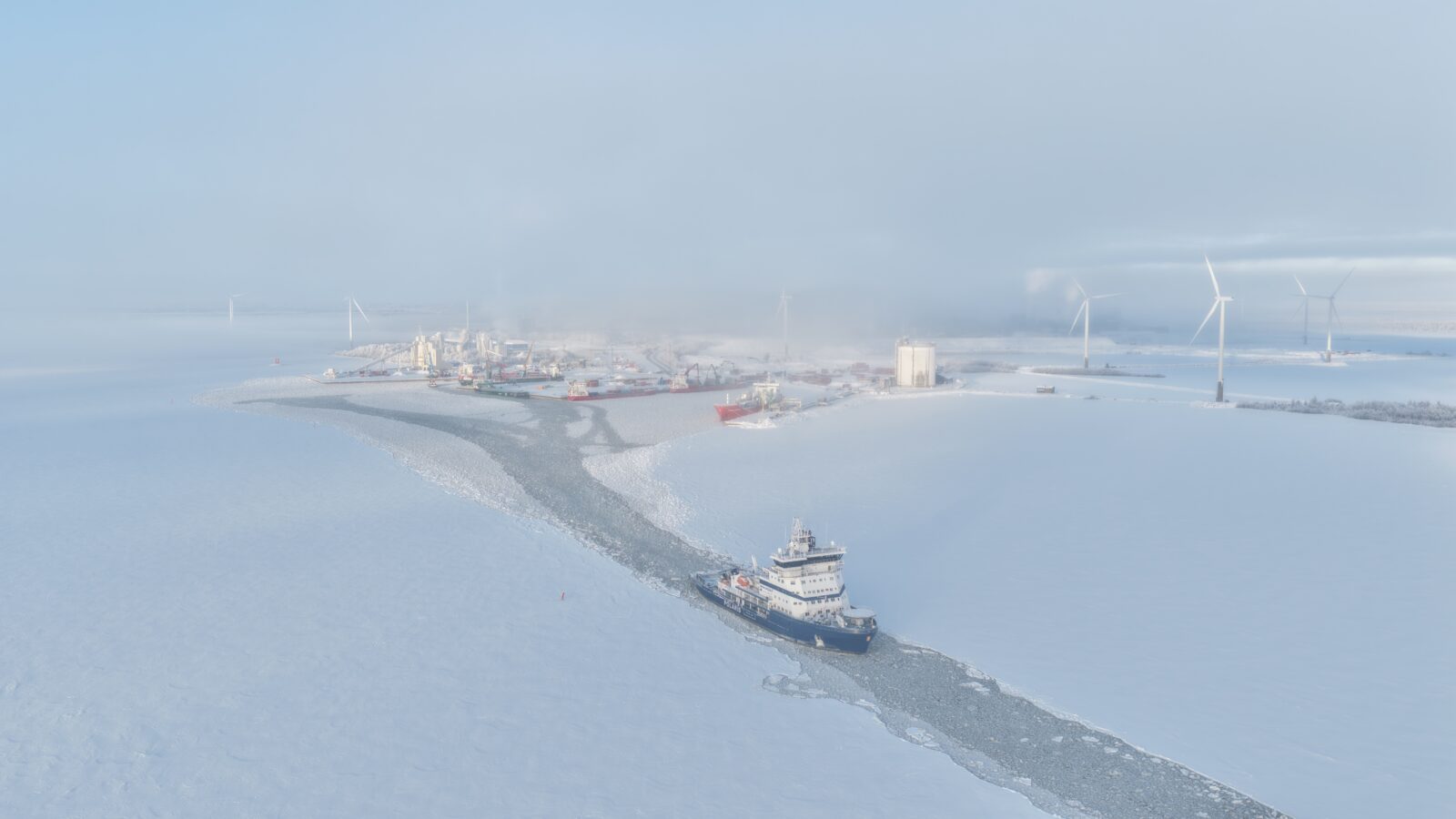
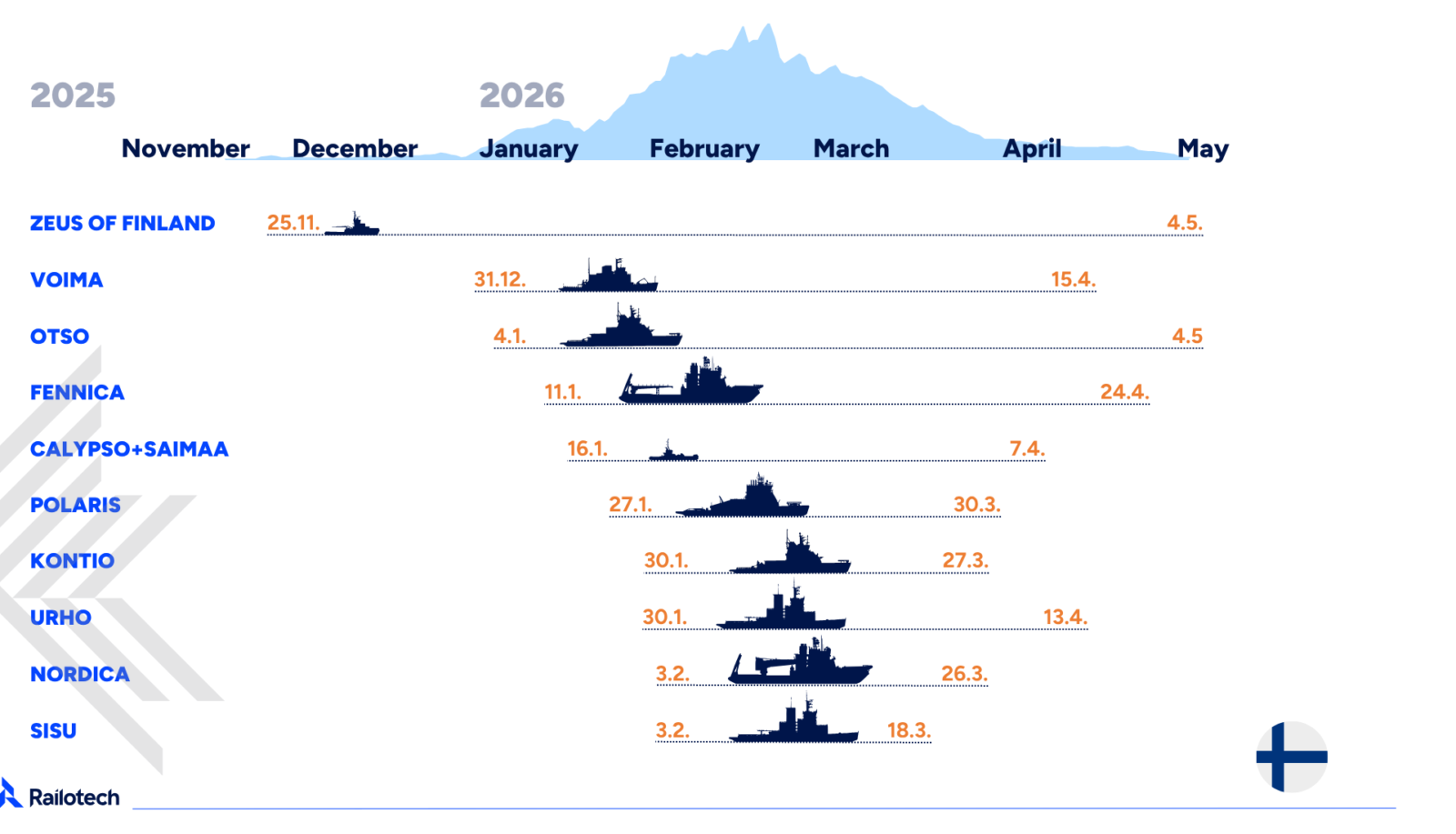
The icebreaking tug Zeus of Finland was the first to enter service in the Bothnian Bay in late November. It was followed by Voima, Finland’s oldest icebreaker, which operated continuously for more than three months, first supporting traffic to Tornio, Kemi, and Oulu and later also in the Bothnian and Archipelago Seas.
Otso joined shortly thereafter, following a comprehensive modernisation programme. According to icebreaker operator Arctia, upgrades to navigation and control systems significantly enhanced operational performance, while new wastewater storage systems improved environmental compliance.
Heavy assets mobilised as conditions intensified
As ice conditions strengthened, deployment scaled accordingly.
Fennica, previously assigned mainly to the Gulf of Finland and Bothnian Sea, was directed north to the Bothnian Bay. By late January, Finland’s most powerful icebreaker, Polaris, was deployed, followed shortly by Urho. At peak capacity, six Finnish icebreakers were simultaneously operating in the Bothnian Bay.
While ice conditions remained stable through most of the winter and icebreaker assistance was normally provided within four hours, operations were intermittently suspended during early spring due to strong winds and the formation of high-pressure ice fields. This highlights how dynamic ice conditions can disrupt even well-planned assistance regimes.
Full deployment in the Gulf of Finland
The Gulf of Finland, a high-density shipping corridor, experienced a markedly different winter compared to the previous ice-free 2024-2025 season. Ice formation expanded rapidly across the entire sea area, once winter conditions set in.
Calypso, equipped with the detachable bow Saimaa, initiated operations in mid-January. Kontio followed, initially supporting southern ports before deploying northwards, an unusual move reflecting elevated demand.
As winter progressed rapidly, Nordica and subsequently Sisu were brought into operation to assist merchant shipping in the Gulf of Finland. At this stage, the entire Finnish fleet was active, mirroring the high intensity 2023-2024 season. Despite periods of difficult ice and strong winds, operational performance remained stable.
“Finland’s ageing icebreaker fleet operating at capacity during an average winter underscores the need to renew assets,” says Railotech’s Lead Naval Architect, Tuomas Romu, who has followed icebreaker activity closely throughout the season. “The new medium-sized icebreaker we have designed for the Finnish Transport Infrastructure Agency is currently in the tender phase and will strengthen Finland’s icebreaking capacity once it enters service in 2029.”
Sweden’s fleet under pressure
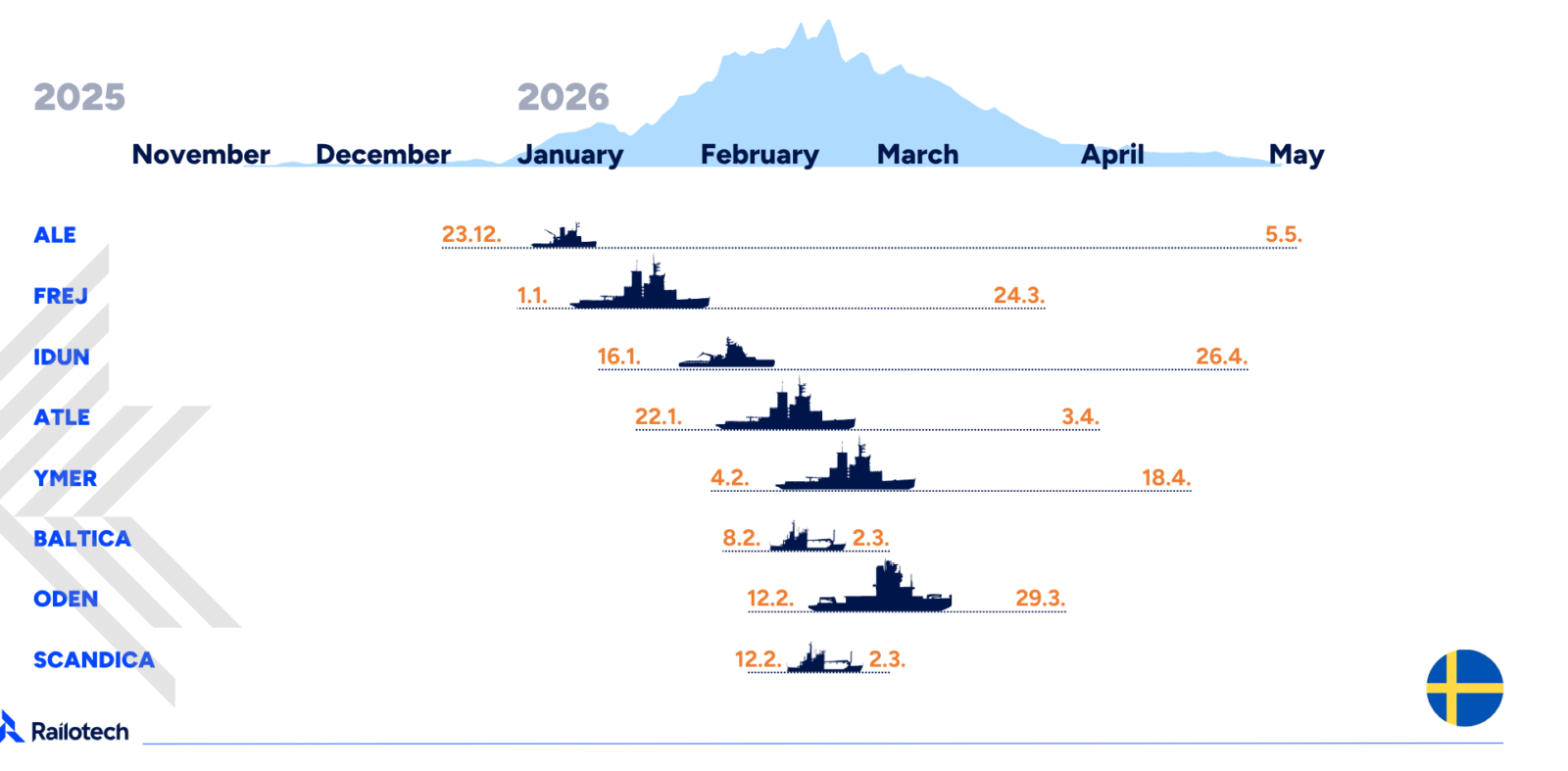
Sweden gradually mobilised its icebreaker fleet in full, beginning with the smallest Ale around Christmas 2025, followed by Frej, Idun, Atle, Ymer, and Oden as well as the fairway support vessels Baltica and Scandica through January and February.
According to the Swedish Maritime Administration, the severity of the winter placed significant strain on its ageing fleet. The narrow Kalmarsund was temporarily closed, forcing vessels to reroute around Öland, increasing transit times and operational costs.
A new icebreaker, designed by Railotech and scheduled for delivery in the 2029-2030 icebreaking season, will significantly enhance Sweden’s icebreaking capacity, addressing increasing operational pressure on an ageing fleet.
Severe conditions in the southern Baltic Sea
In the southern Baltic Sea, ice conditions deteriorated rapidly. The Gulf of Riga froze faster than forecast, with strong winds creating pressure ridges of up to four metres. Comparable conditions have not been observed since the winter of 2011.
Estonia deployed its full icebreaking capacity, EVA-316, Botnica, and Tarmo, while Latvia returned Varma to service for the first time since 2018. Notably, the sister vessels Varma and Tarmo met at sea for the first time in three decades.
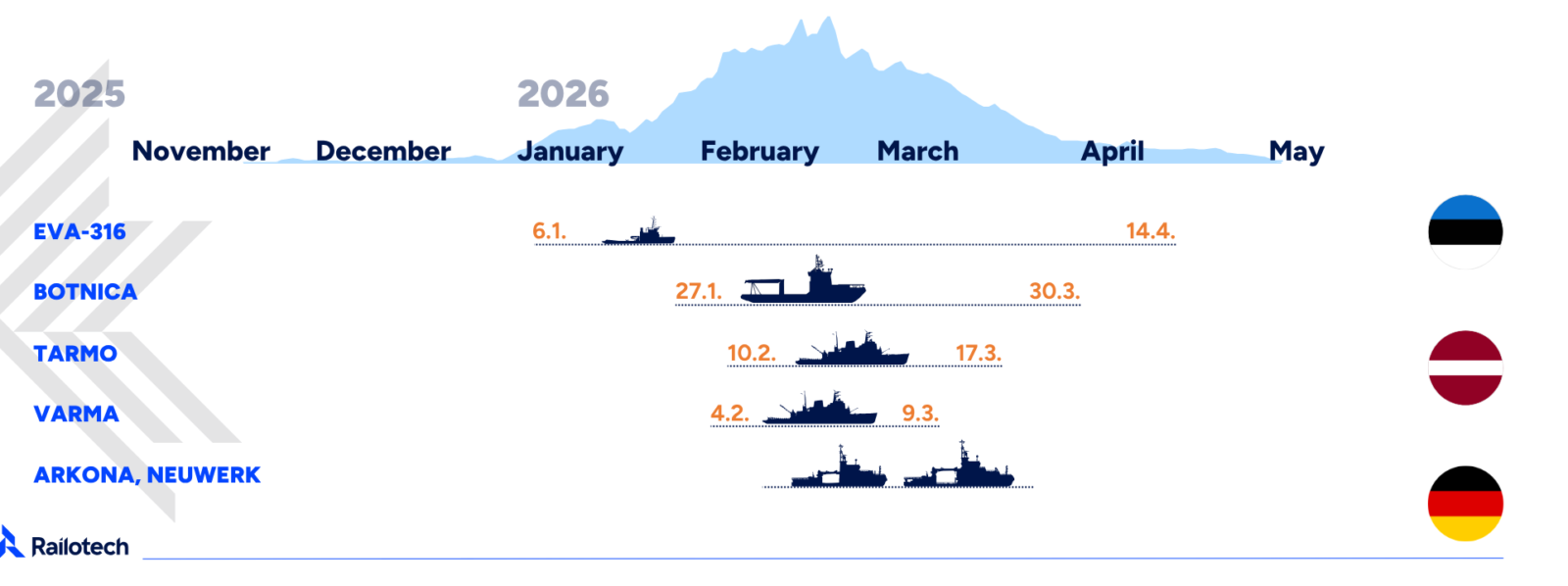
Along Germany’s Baltic coast, icebreaking multipurpose vessels Arkona and Neuwerk supported port operations and LNG-terminal access during February and March.
Challenging ice conditions in the eastern Gulf of Finland forced Russia to call in reinforcements from the Arctic. The nuclear-powered icebreaker Sibir and the diesel-electric Murmansk operated alongside the fully deployed eleven-strong Baltic icebreaking fleet.
Ice extent remained within average range
Despite difficult ice conditions across all Baltic ports, the maximum ice extent of 181,000 km², reached after mid-February, remained within typical historical ranges.
From mid-March 2026 onwards, assistance restrictions were progressively lifted. Icebreakers returned to their home ports in phases, concluding a season characterised by rapid escalation, sustained peak demand, and full regional fleet utilisation. The final vessels returned in early May, marking the transition to maintenance programmes ahead of the next winter season.
“The 2025-2026 season demonstrated that even moderate winters can place significant strain on the Baltic icebreaking system when rapid ice formation coincides with adverse weather,” says Romu. “The increasing variability of winter conditions and reduced ice-going capability of modern commercial vessels must be taken into consideration when planning fleet renewals in the coming years.”
Text by Catarina Stewen
Related articles and news
Article / 24.03.2026
Finland´s new icebreaker advances to tender
A next-generation icebreaker design proven for changing Baltic winters – high performance, lower lifecycle cost, future-ready.
Read moreNews / 24.04.2026
Sweden orders new Baltic Sea assistance icebreaker
The Swedish Maritime Administration has awarded the construction of the new icebreaker to the South Korean shipyard HD Hyundai…
Read moreArticle / 21.02.2023
Swedish icebreaker proceeds to construction
The state-of-the-art icebreaker with unrivalled energy efficiency will be the first methanol-ready icebreaker in the world.
Read more