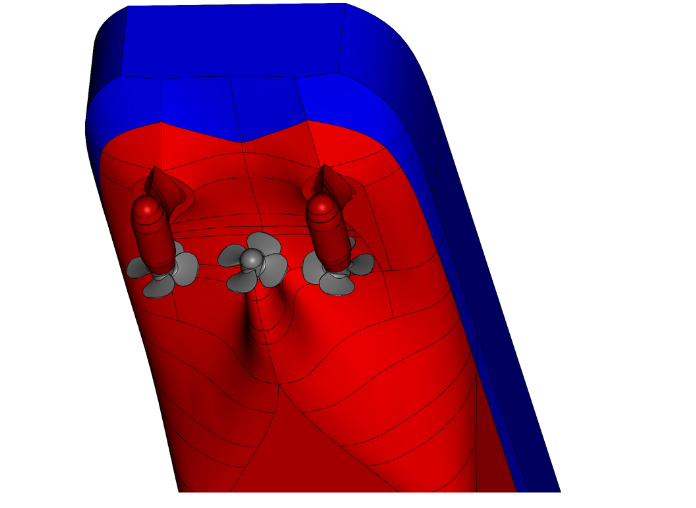
Two azimuthing propulsion units flanking a shaft line in the middle has become an increasingly popular design alternative to explore in icebreaker projects as it combines the advantages of both options.
Choosing the propulsion configuration is one of the most important decisions in a new icebreaking concept. The alternatives are usually determined by several internal and external factors ranging from the vessel’s future mission and principal dimensions to the prevailing ice conditions and water depth in the intended operational area.
Best of both worlds
A traditional shaft line is very efficient when sailing straight ahead in heavy ice whereas azimuthing propulsion provides exceptional manoeuvrability. In addition, the latter allows incorporating the Aker Arctic DAS™ solution, whereby a ship sails ahead in open water and lighter ice conditions but turns around and proceeds stern-first through heavy ice.
Although the idea of combining azimuthing propulsion with shaft lines had been brewing since the late 1980s, the full potential of this type of hybrid configuration in icebreaking was realized during the development of the first icebreaking LNG carriers in the 2000s. This propulsion layout has also gained popularity in icebreakers in recent years.
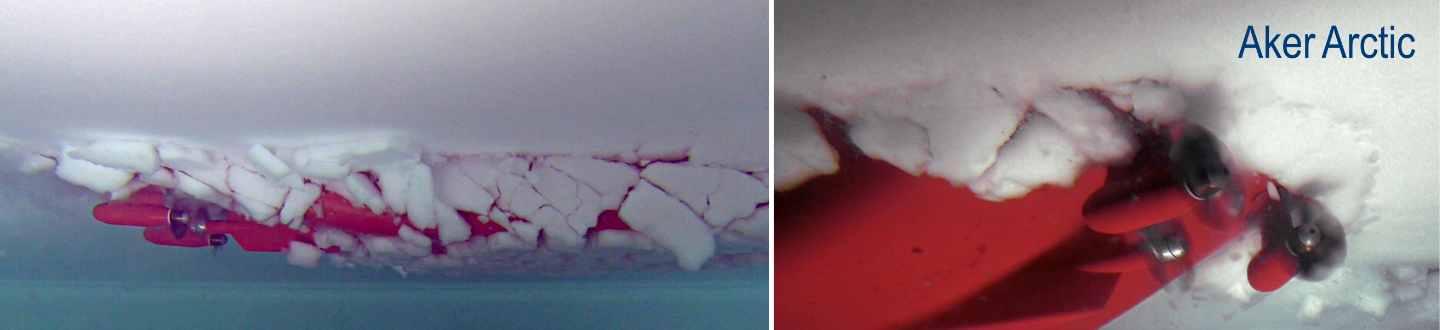 “We have discovered that there are certain challenges which have to be addressed in the design to ensure that the end result is what the customer desires,” Romu emphasises. “Some issues have been revealed through trial and error in ice model tests.”
In modern heavy icebreakers, the combination of azimuthing propulsion units and shaft lines has replaced the classic triple-shaft configuration prevalent since the late 1800s.
Text: Catarina Stewen
“We have discovered that there are certain challenges which have to be addressed in the design to ensure that the end result is what the customer desires,” Romu emphasises. “Some issues have been revealed through trial and error in ice model tests.”
In modern heavy icebreakers, the combination of azimuthing propulsion units and shaft lines has replaced the classic triple-shaft configuration prevalent since the late 1800s.
Text: Catarina Stewen
Latest news, articles and insights
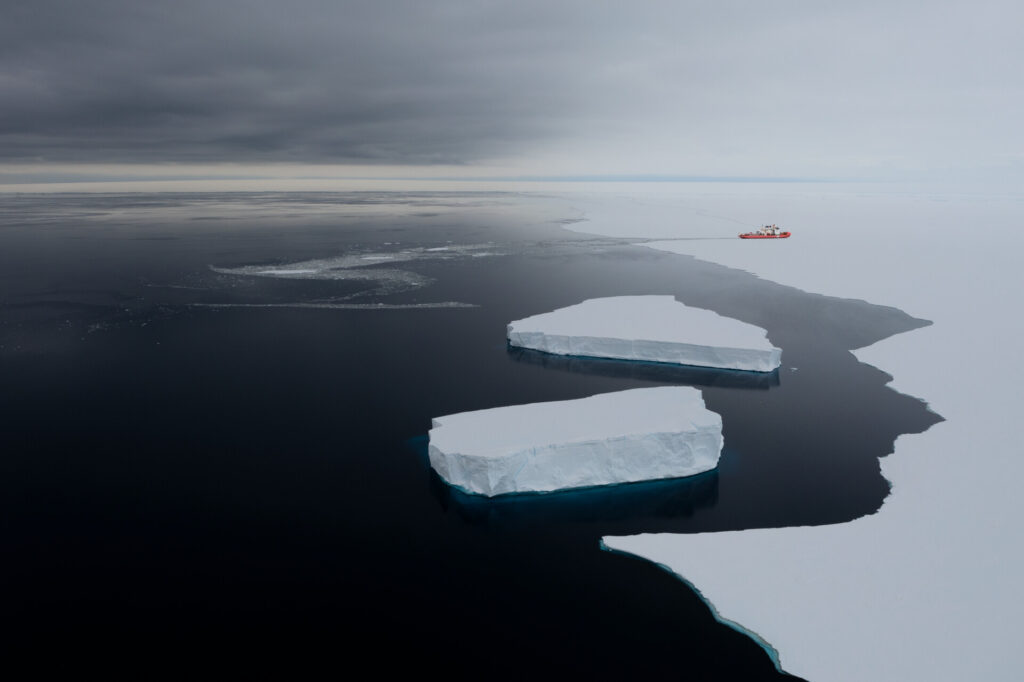
Designing Canada’s next polar icebreaker
Canada's first heavy polar icebreaker in 50 years. Railotech led all ice and cold climate design – from hull form to hybrid…
Read more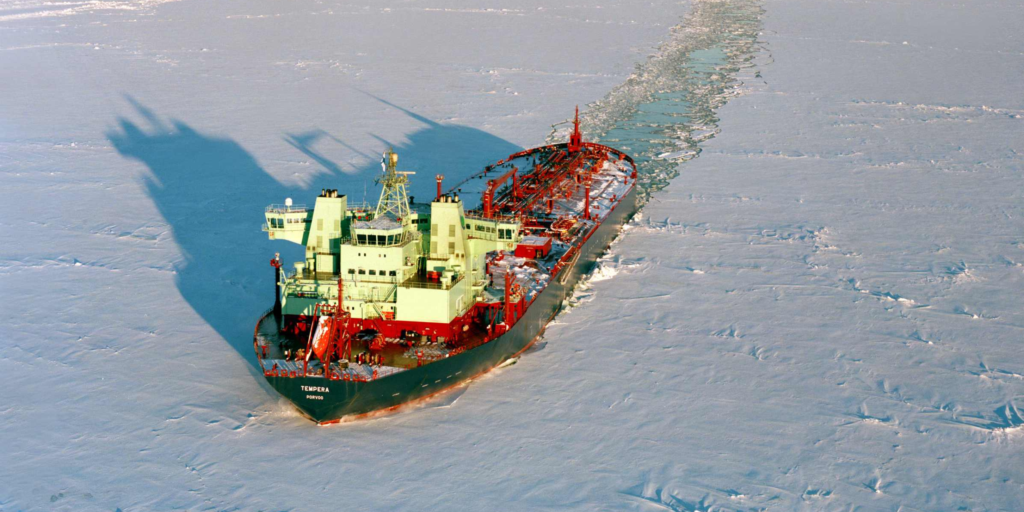
DAS: From radical idea to Arctic standard
When azimuthing propulsion was first proposed for ice, the industry called it unrealistic. Railotech spent decades proving…
Read more
The key to a successful icebreaker project
Icebreaker design. Learn how a strong concept design reduces risk and delivers a balanced vessel for real operating needs. Save…
Read more