At Railotech, our expertise extends beyond icebreaker design and model testing to the engineering and delivery of ice-strengthened propellers and complete shaftlines. Our latest contracts include the design and delivery of Polar Class 2 propellers for advanced polar icebreakers, as well as complete shaftline packages. The vessels will also feature Railotech’s patented Hybrid DASTM hull concept.
The new Polarstern – German research icebreaker
In December 2024, the Alfred Wegener Institute awarded Thyssenkrupp Marine Systems (TKMS) the contract to build the successor to Polarstern, Germany’s new flagship for climate and polar research. The 160-metre multidisciplinary research icebreaker will feature extensive scientific facilities and accommodation for 60 scientists and approximately 50 crew members.
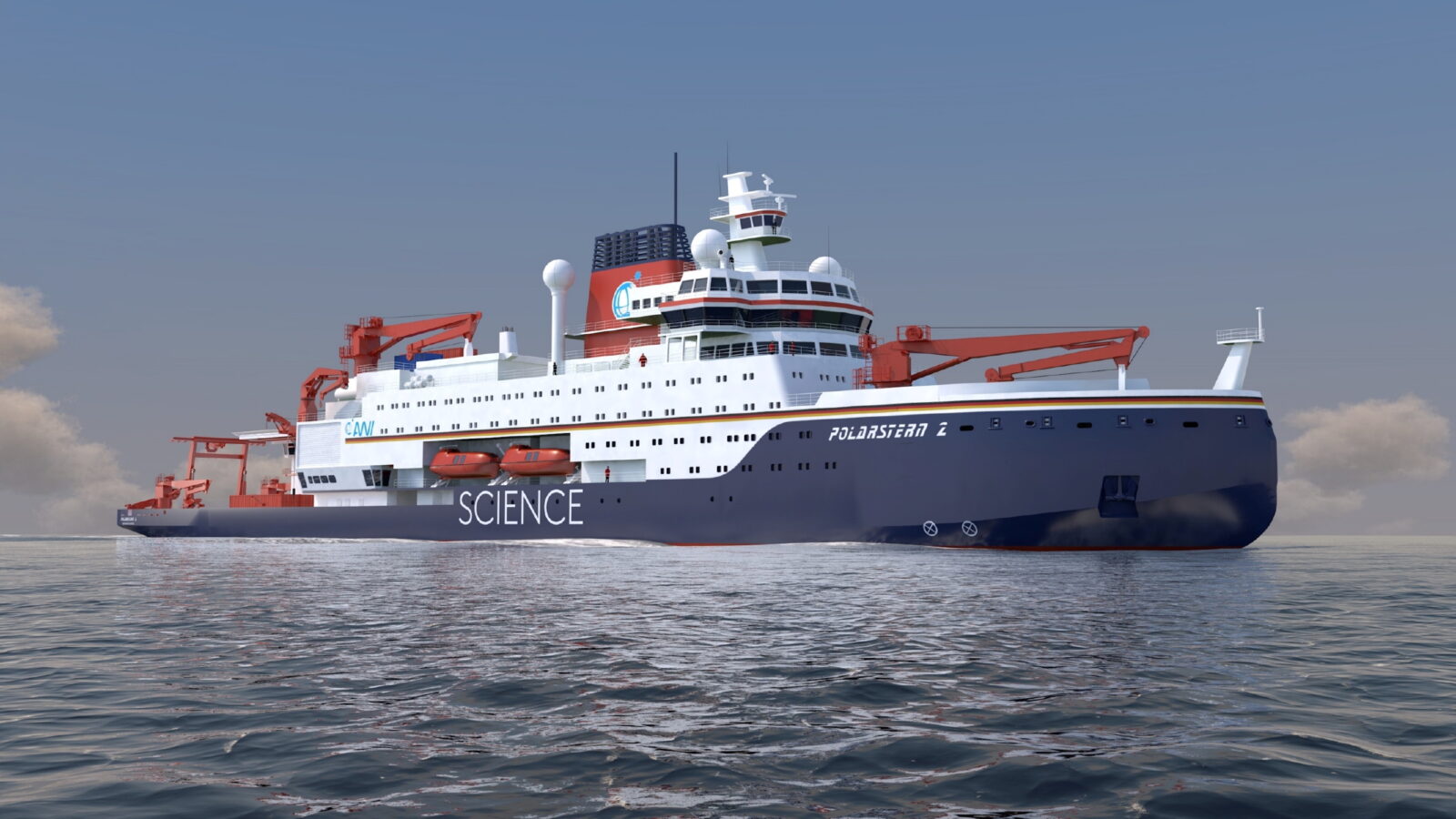
The new Polarstern will be equipped with two PC2-rated azimuth thrusters. These 9 MW thrusters will provide full 360-degree rotation and high manoeuvrability in ice.
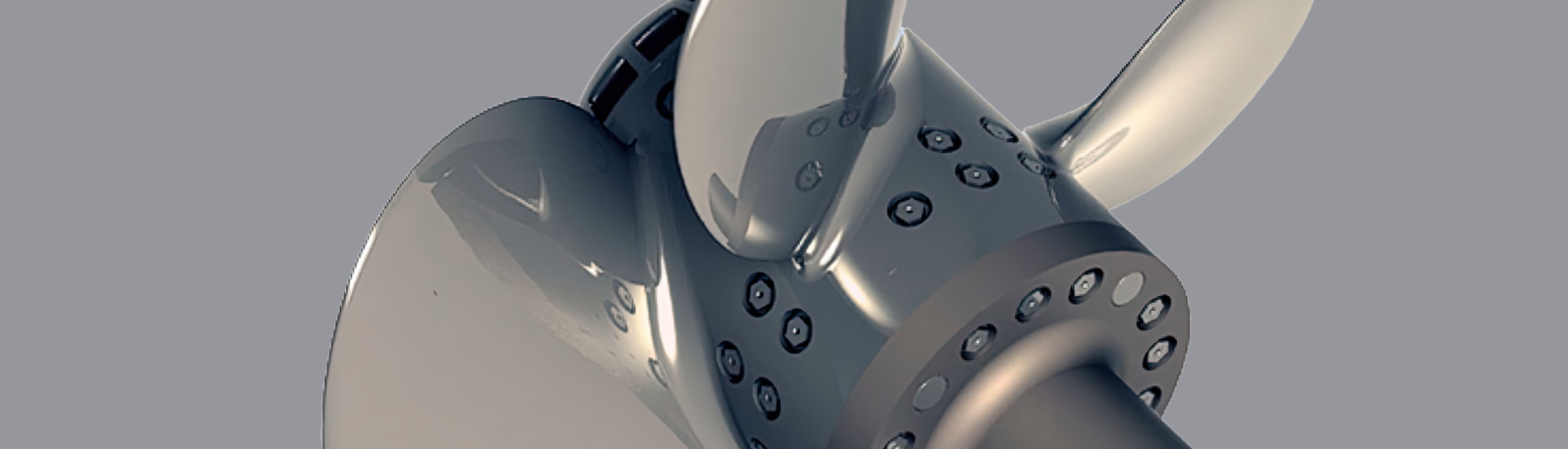
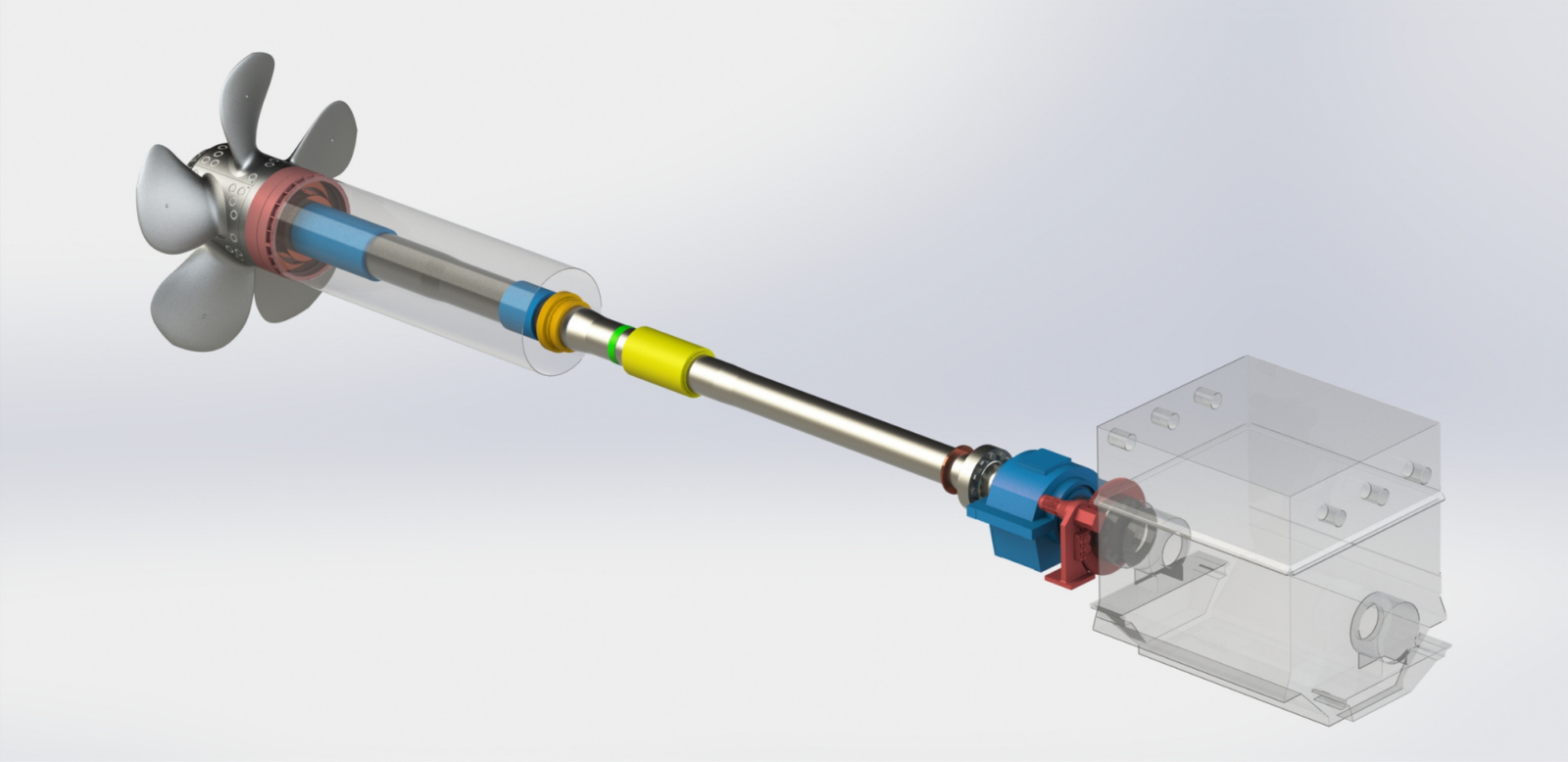
Complementing this arrangement, Railotech will deliver the complete propulsion package for the centre shaftline, including a specially designed 5.4-metre stainless steel propeller optimised for continuous ice operation. The propulsion system design will be finalised in 2026, with delivery scheduled for the end of 2027.
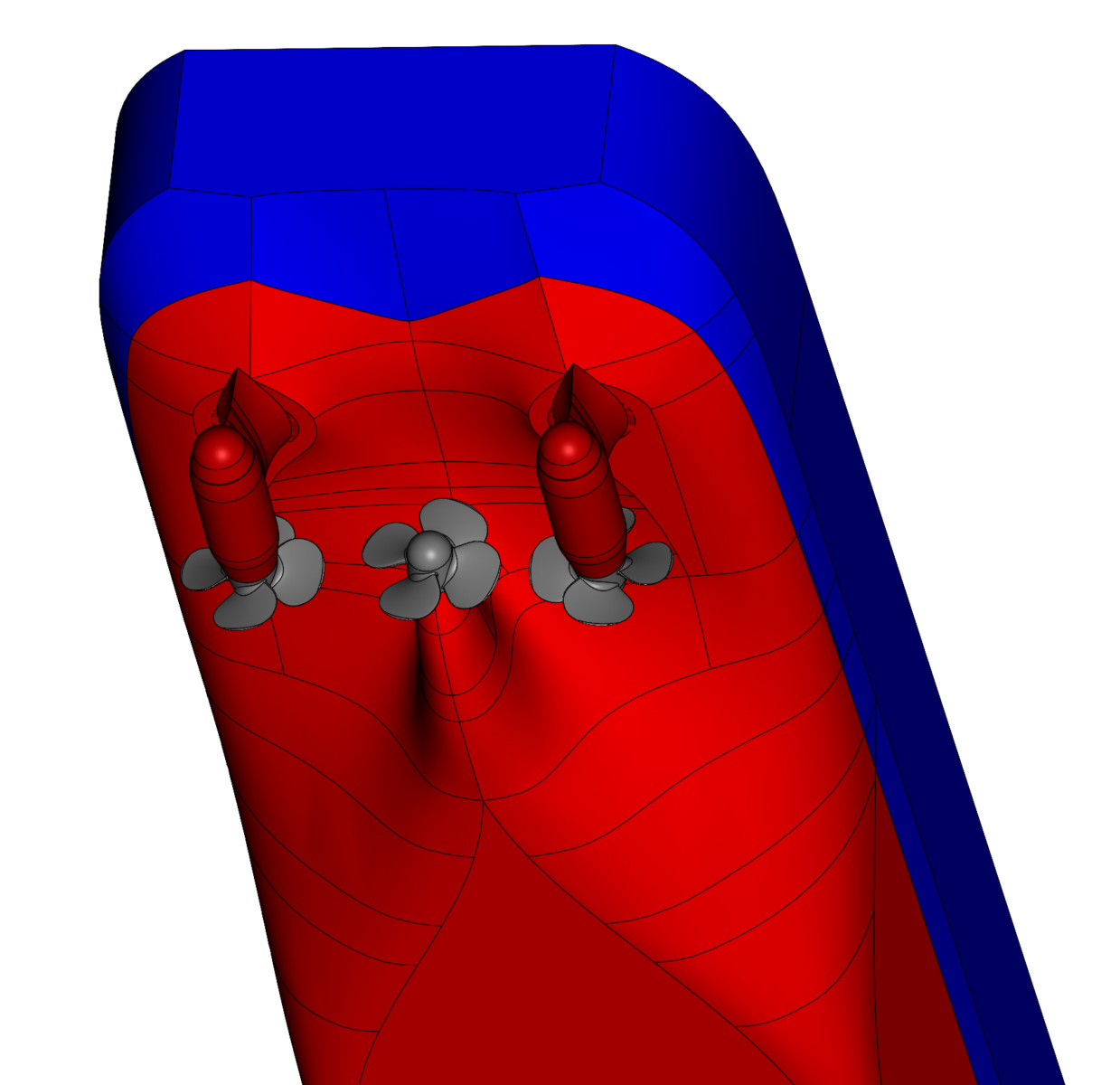
The hull will incorporate Railotech’s patented Hybrid DASTM configuration, combining two azimuthing propulsion units with a central fixed shaftline. Often described as “the best of both worlds”, this arrangement integrates the manoeuvrability of azimuthing propulsion with the robustness and design flexibility of a conventional shaftline. The twin-azimuth hybrid concept has increasingly replaced the traditional triple-shaft configuration used in polar icebreakers since the late 19th century.
Canadian polar icebreaker (Seaspan)
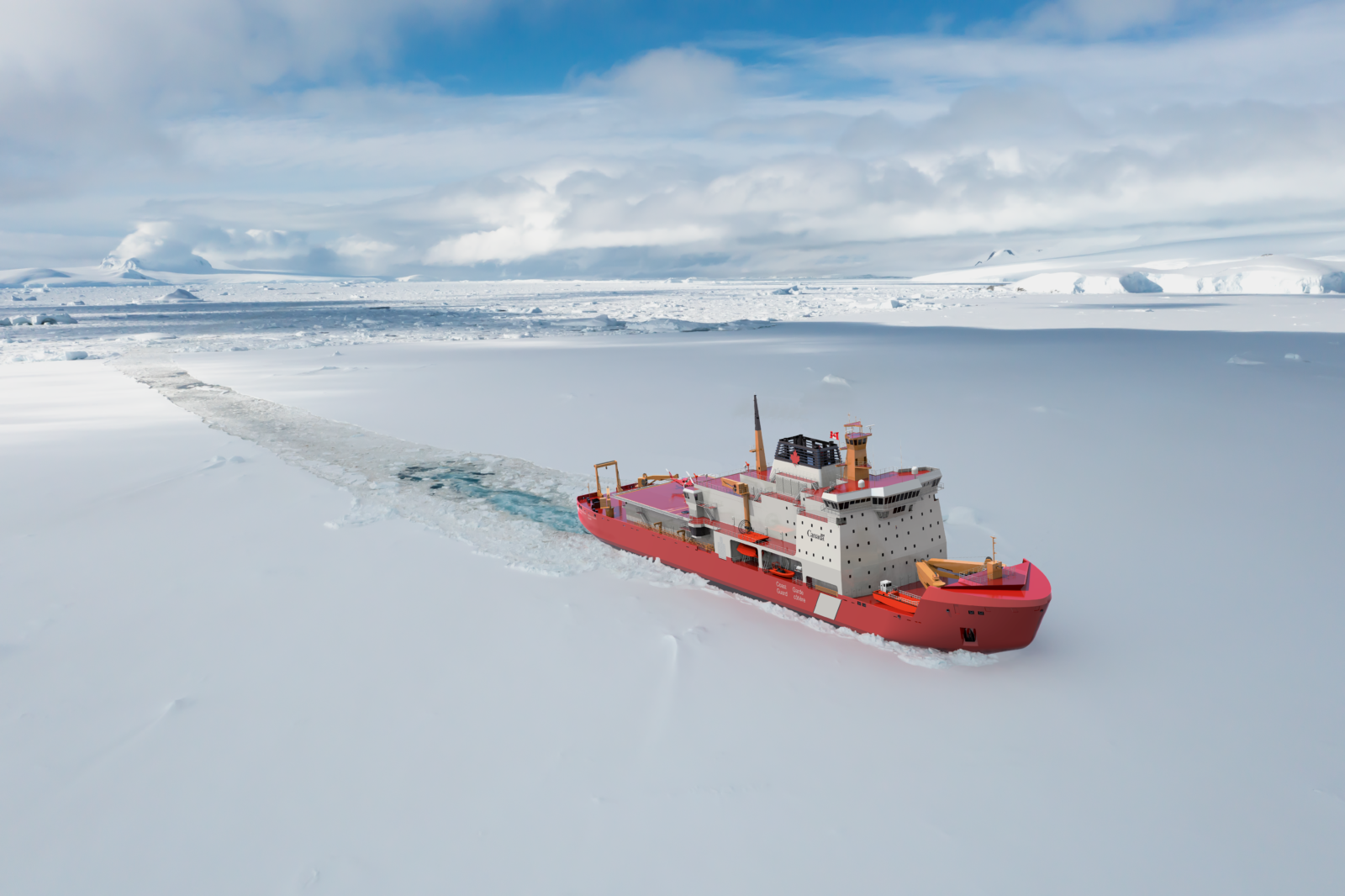
In March 2025, the Government of Canada awarded Seaspan’s Vancouver Shipyards Co. Ltd. the construction contract for the first new heavy polar icebreaker for the Canadian Coast Guard, which will be named CCGS Imnaryuaq, under the National Shipbuilding Strategy. The 158-metre vessel, developed by Railotech, will rank among the most advanced and capable icebreakers in service globally.
Railotech has designed and delivered the ice-strengthened Polar Class 2 stainless steel propeller for the icebreaker’s 12 MW centre shaftline. The propeller has a diameter of six metres.
Development of the Canadian polar icebreaker programme began in 2012 and resumed a decade later with a comprehensive design update. Railotech’s experts were responsible for designing the hull form, structural ice strengthening, performance optimisation, stability analysis, and winterisation, in addition to providing continuous technical support to Seaspan’s design team.
The performance of the selected Hybrid DASTM hull form and propulsion configuration was verified through advanced ice model testing at Railotech’s ice laboratory in Finland, complemented by open-water tests. These tests confirmed that the propulsion system delivers the thrust required to meet both icebreaking and open-water performance criteria, ensuring compliance with the Canadian Coast Guard’s operational requirements in Arctic conditions.
Unrivalled expertise in ice propulsion
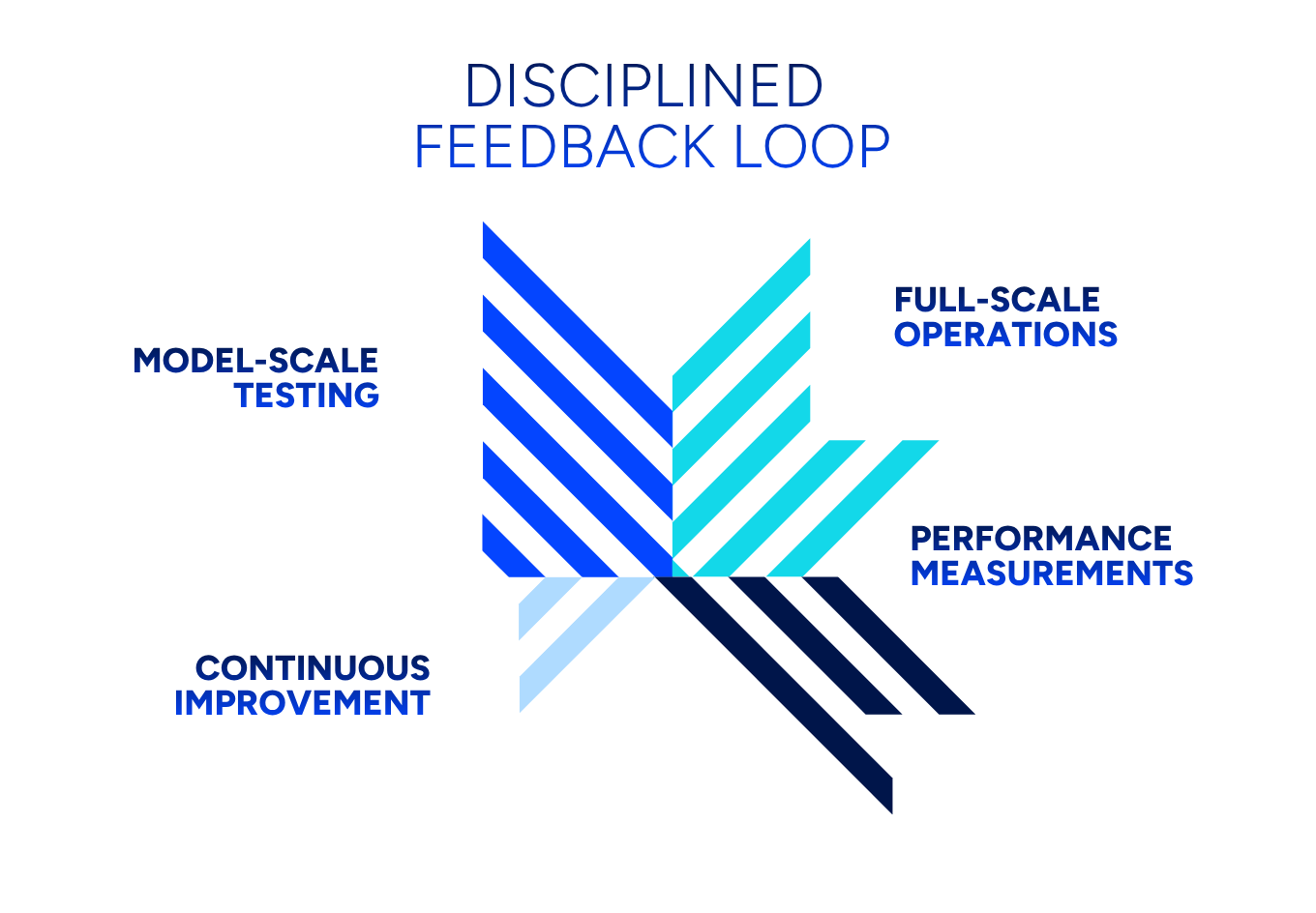
All Railotech’s development work follows a disciplined engineering feedback loop: model-scale testing, full-scale operational data, performance measurement, and continuous improvement – a process refined over decades.
In addition to deep technical specialisation, many of our engineers have direct shipbuilding background, giving us first-hand understanding of construction processes and practical integration challenges.
“Our expertise is built on a thorough understanding of hull – propulsion interaction and the ability to integrate shaftline systems seamlessly into complex ice-class hull structures. This interface, combined with our huge databank of built high-ice-class vessels, is the foundation of our know-how,” says Kari Laukia, head of equipment and special projects.
Railotech delivered its first Polar Class propulsion systems more than a decade ago. Since then, multiple successful projects have enabled the development of highly efficient procurement processes and reliable project-execution methodologies.
“We are proud to have been selected to supply the shaftline systems for the most advanced polar icebreakers currently under construction,” Laukia adds.
Text by Catarina Stewen