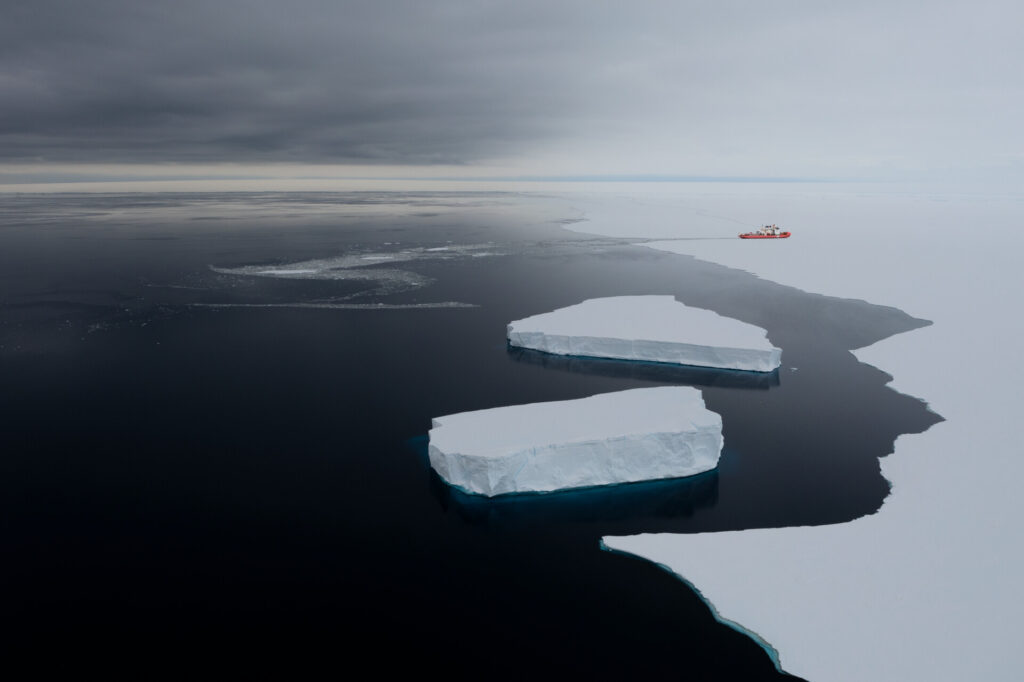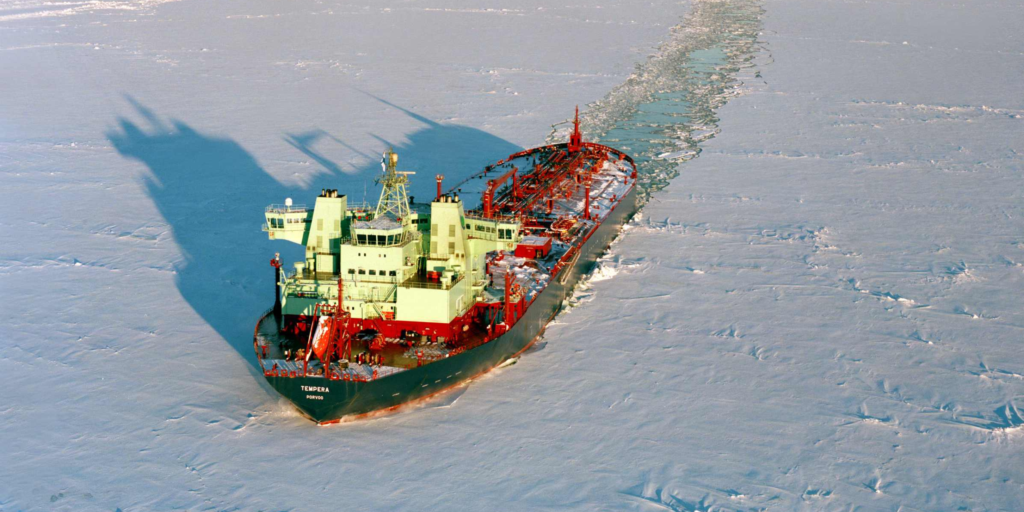
Designing a modern icebreaker is a complex undertaking. With nearly 80 successful icebreaker designs behind us, we know that true success begins with a high-quality concept design, grounded in deep expertise and experience.
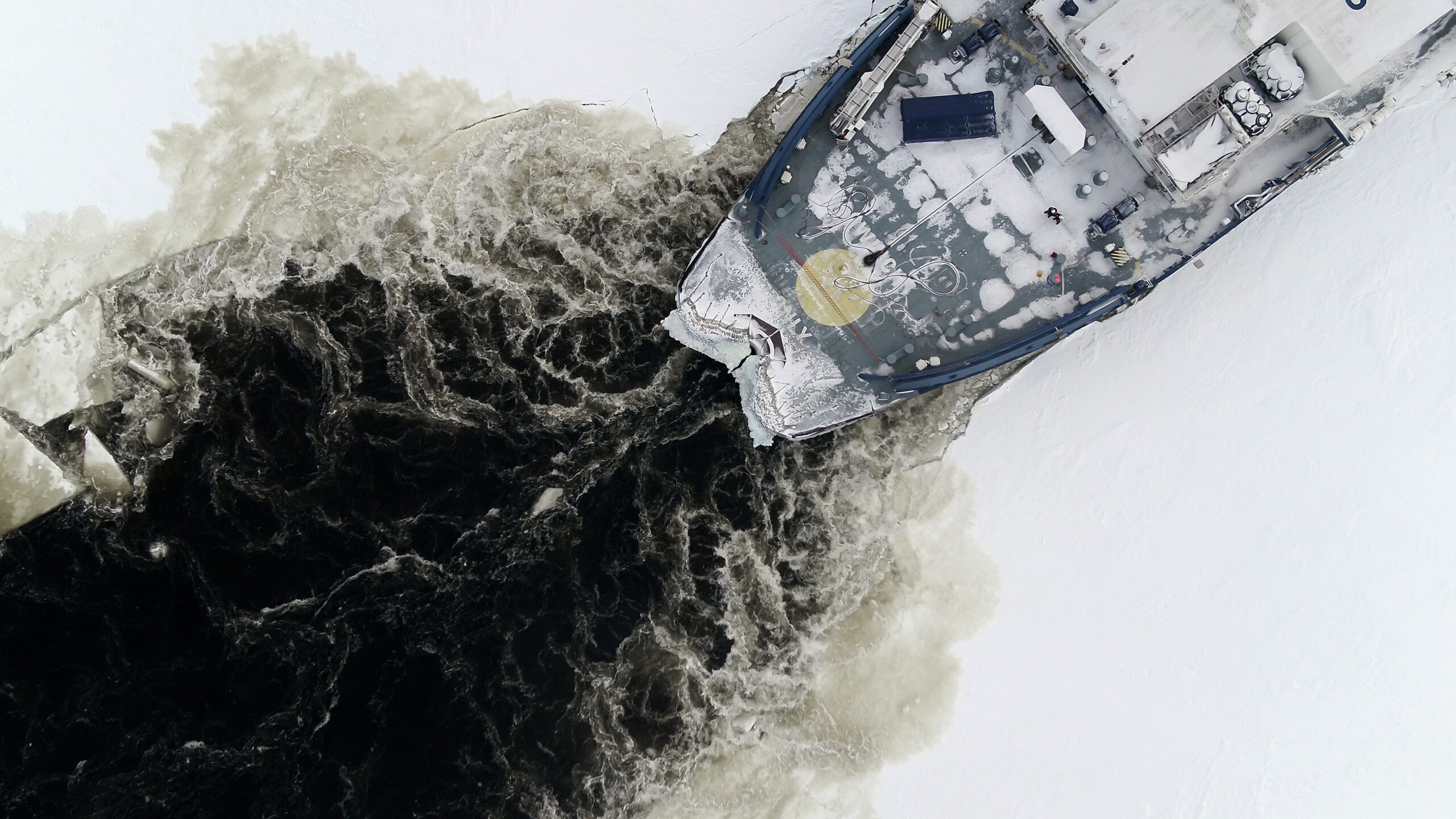
Compared with many other vessel types, the global icebreaker fleet is small. These ships are mission-specific, operating in harsh conditions where ice is present or poses a risk. Their tasks range widely, and each mission brings its own requirements. An icebreaker must also be feasible to construct, fit within a defined budget, and be cost-efficient to operate. No single design can be a perfect match for every scenario.
Icebreaker design also differs fundamentally from conventional ship design. Due to the unpredictable operating environment, the design variables are tightly interconnected, and icebreaker performance depends on the specialised knowledge of ice mechanics and propulsion in ice. Without prior icebreaker design experience, it is nearly impossible to make the right main design decisions.
Taking shortcuts creates unnecessary risks
The idea of skipping the concept design phase by using an existing design and adapting it for a different mission with minimal changes has time and again proven to be a high-risk option. What may initially appear as a safe shortcut often leads to an endless labyrinth of changes, corrections, and compromises.
“The risk is late delivery and an unbalanced vessel carrying undesired remnants of the parent design,” says Head of Sales and Marketing Arto Uuskallio from Railotech. “In addition, rules and regulations are constantly changing, which may mean that previous designs are no longer allowed.”
A tailored concept created by an experienced designer, by contrast, ensures the ship is optimised for its actual tasks and conditions from the beginning. This will ultimately save both time and money.
“Investing in an icebreaker is a long-term commitment. Cutting corners in the crucial concept design phase is never in the owner’s or operator’s best interest,” adds Uuskallio.
The following design phases provide the technical implementation for the boundary conditions defined during the concept design. They are straightforward when the underlying concept is sound. However, experience in basic design alone does not qualify one to create a healthy concept.
Laying the foundation: understanding requirements
At the beginning of the concept development, the customer typically has a list of requirements, which may range from a few key bullet points to a more extensive concept of operations or requirements specification. The designer’s role is to understand these needs and clarify for the customer how they interact, what trade-offs exist, and which targets are realistic. This process relies on solid expertise and experience built over numerous previous projects.
Through detailed discussions, the customer and designer jointly agree on a set of realistic and achievable requirements, as well as their correct interpretation. These requirements form the foundation for the concept development.
The design loop
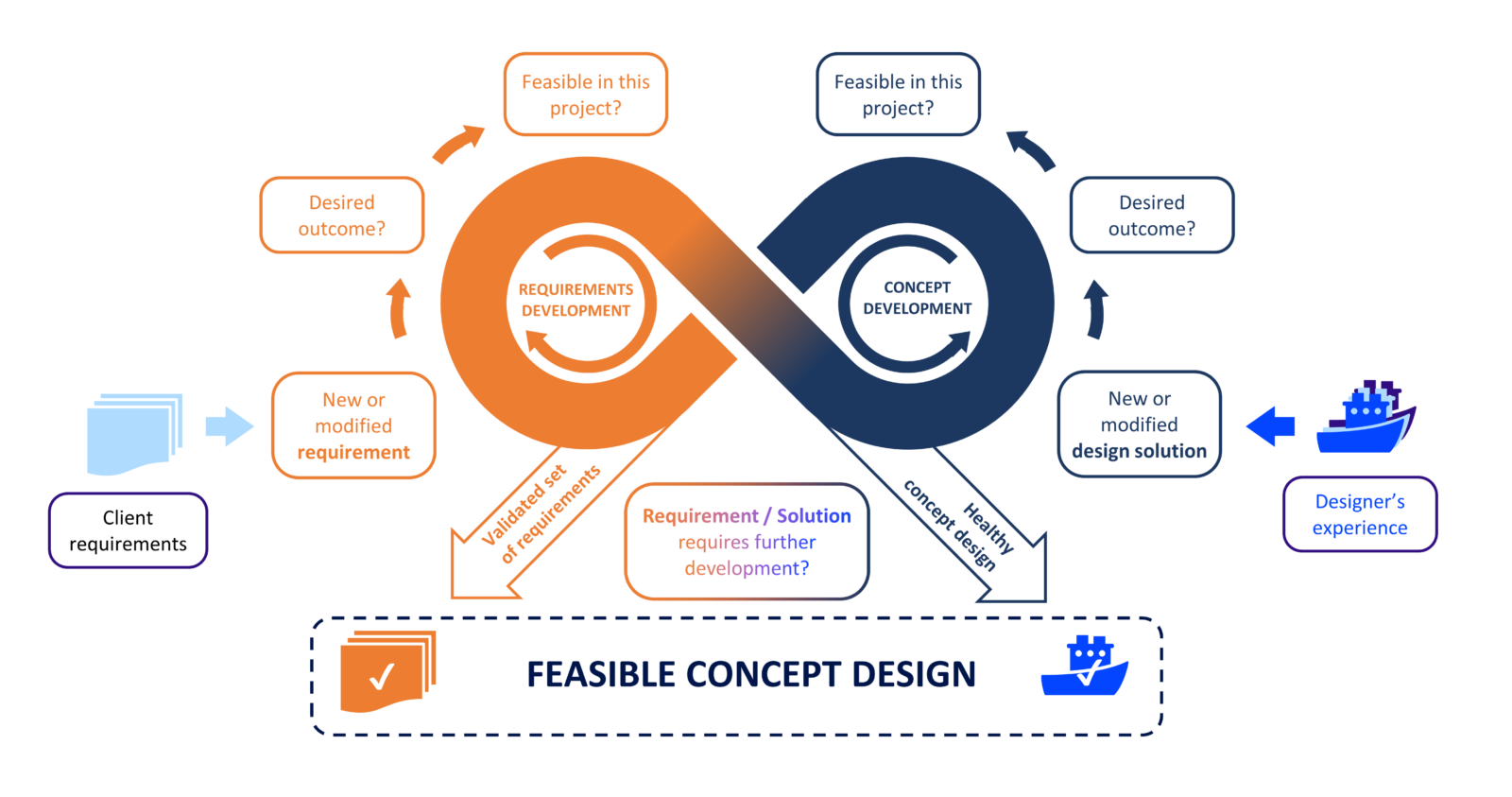
The designer then begins outlining the ship: main dimensions, weight and power relationship, hull form, propulsion, winterisation, and key outfitting. Close and continuous dialogue with the customer is essential. Each decision narrows the options and affects later choices. A skilled designer understands which decisions must be made early, which can wait, and how every selection impacts performance, guiding the customer in the right direction.
The design loop allows a return to earlier steps when needed. Complex topics such as new alternative fuels can also be separated for deeper study before being reintegrated into the main design stream.
“Inexperienced designers might not even recognise potential problem areas, let alone solve them,” says Lead Naval Architect Tuomas Romu from Railotech.
Core elements of concept design
A successful concept design relies on both quantifiable methods and deep organisational knowledge built over decades of icebreaker design, research and development – and, in Railotech’s case, more than 700 model test series and over 150 full-scale trials.
“The entire design package must be in balance for the vessel to float, move forward, be constructable, and function in freezing conditions,” notes Uuskallio.
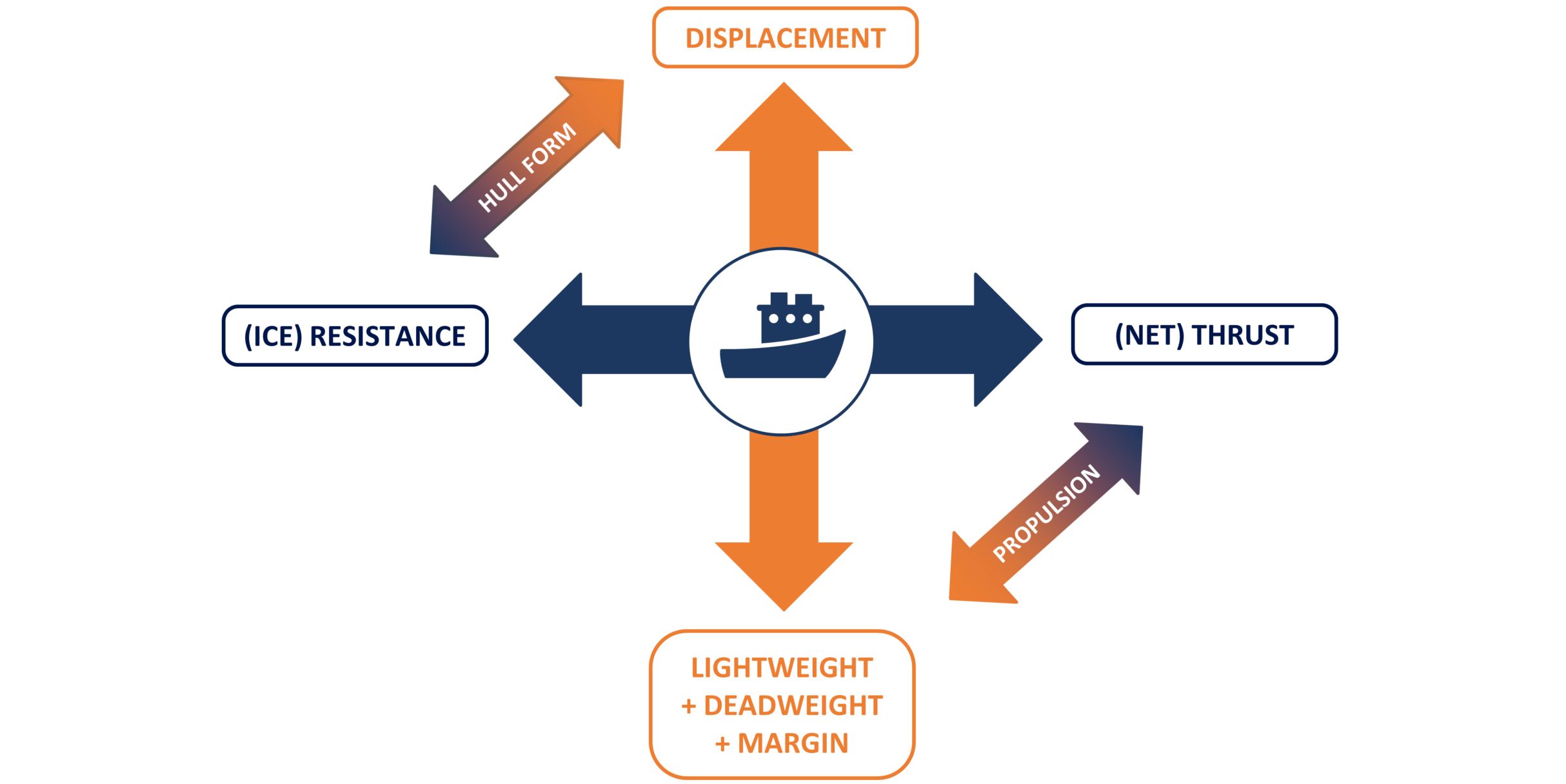
A fundamental design driver of every icebreaker is the weight-performance balance. It consists of two seemingly independent, but actually coupled, force-balance equations: the weight equation in the vertical direction and the performance equation in the horizontal direction. Together, these essentially determine how large and powerful the icebreaker must be to meet its performance goals.
The weight-performance balance
The weight equation is derived from Archimedes’ principle: a ship will float when the weight of the displaced water equals that of the vessel itself and everything it carries. The performance equation, on the other hand, is a balance between thrust and resistance at the desired performance point.
These equations are not independent of each other: resistance depends on the hull form that also determines the displacement, while thrust is generated by a propulsion system that impacts both the ship’s own weight as well as the amount of fuel it must be able to carry.
“Icebreakers are extremely sensitive to possible imbalance, and the concept will fail if the design is ‘off’ to any direction,” says Romu.
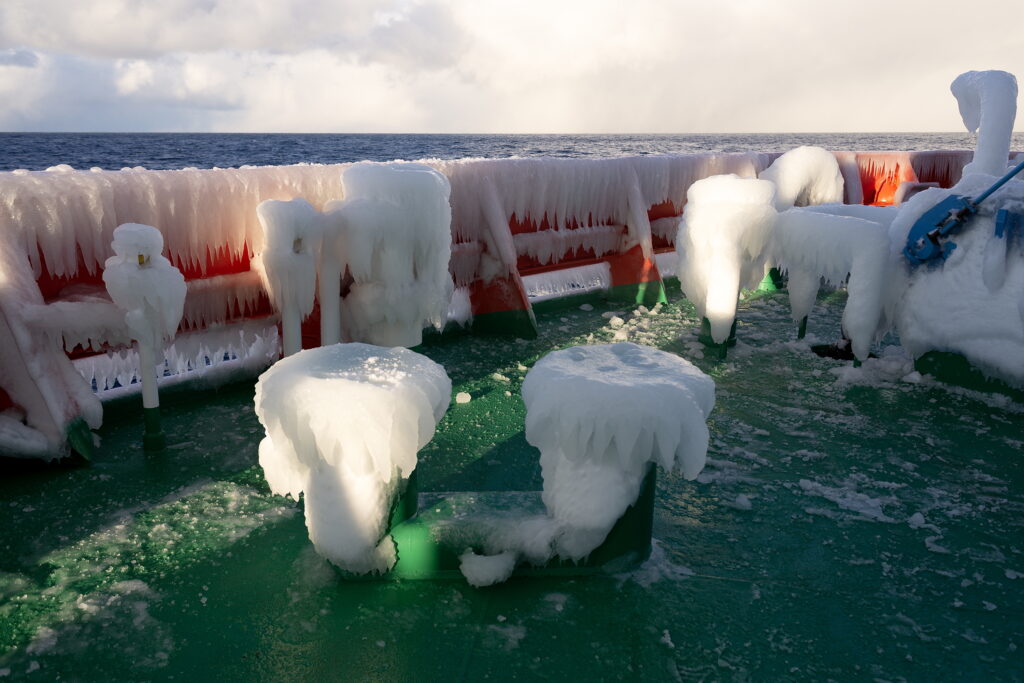
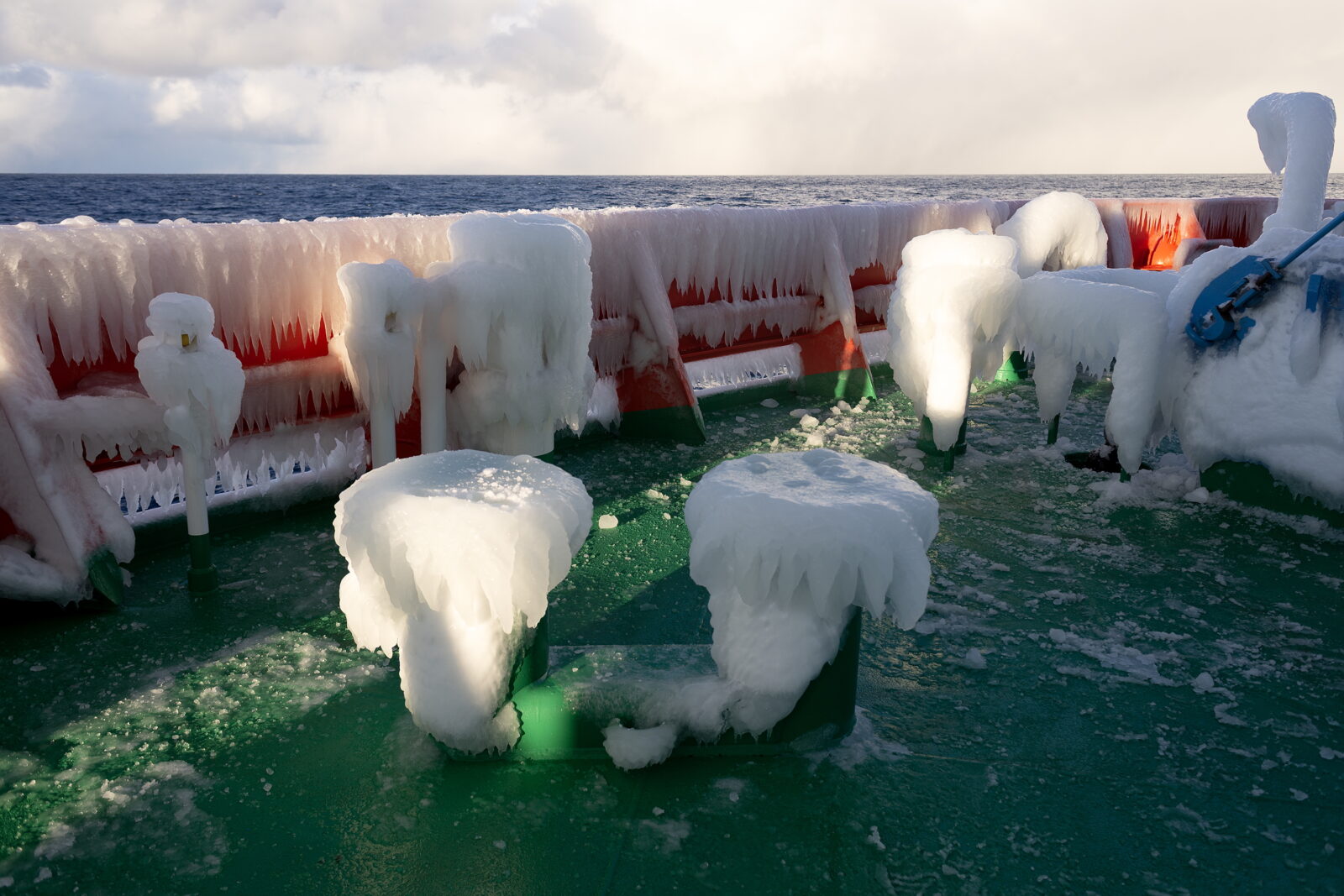
It is often said that icebreakers incorporate three key features: shape (icebreaking hull form), power (propulsion), and strength (reinforced hull). However, there’s a fourth overarching feature: functionality. Icebreakers operate in cold, dark, and icy conditions. The vessel and its essential systems – including the crew – must remain functional throughout their environmental envelope.
According to Romu, there are many ways to ‘winterise’ the vessel for operation in extreme conditions. The designer must know what works in each environment and what will endure throughout the vessel’s lifetime.
Selecting the proper ice class
Ice strengthening ensures the ship can withstand ice loads and is optimised for the operating environment. Selecting the correct ice class is complex, as ice-class rules do not describe how to design icebreaker structures or determine icebreaking capability, engine power, or safe operating limits.
“Without proper expertise, there is a serious risk of inadequate strengthening of critical hull areas and propulsion components,” Romu explains. “Over-dimensioning, on the other hand, results in a ship that is heavy and unnecessarily expensive to build and operate.”
Railotech has gathered the world’s largest database of ice conditions and developed tools for determining correct ice strengthening over the past 70 years. The Ice Load Monitoring System (ILMS), installed on operating vessels, continuously feeds new data, enabling accurate predictions even as conditions change with the climate.
“We are the only company able to advise customers on the correct ice-class selection,” says Uuskallio.
The importance of ice model testing
Predicting performance in ice is a central part of concept design. While calculation methods are reliable when applied correctly, model testing remains the most dependable tool to verify performance. The goal is to test the final hull form, but model tests sometimes reveal the need for further modifications.
“The cost of model testing is insignificant compared to building an unsuitable vessel,” says Romu. “For entirely new concepts, early testing is recommended.”
Text by Catarina Stewen