Arctic vessel demand reaches record levels – and concept design has never mattered more
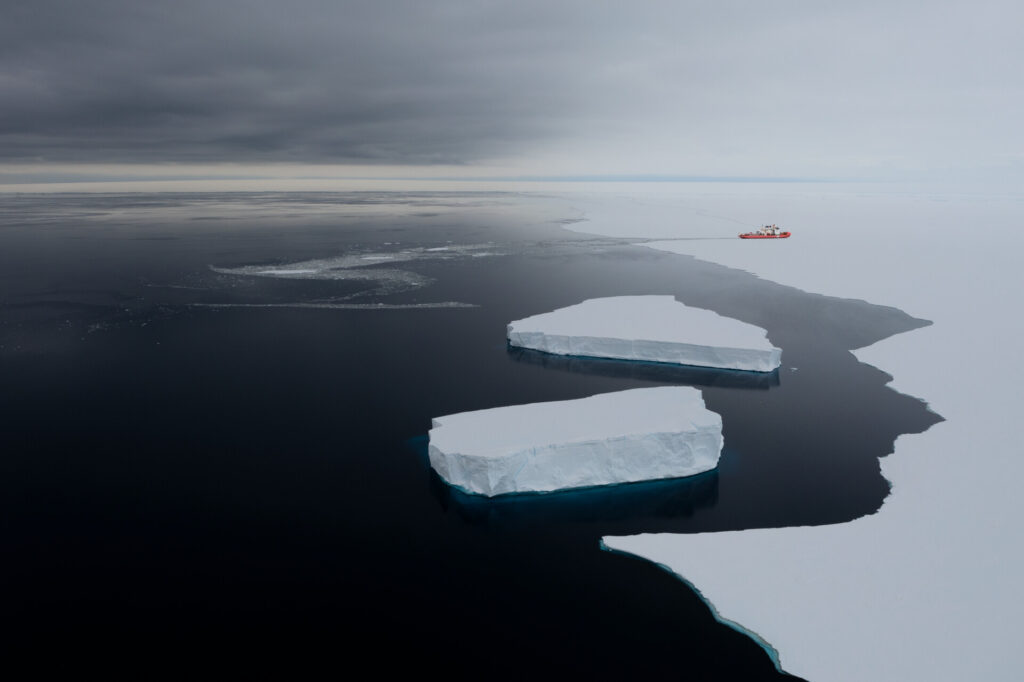
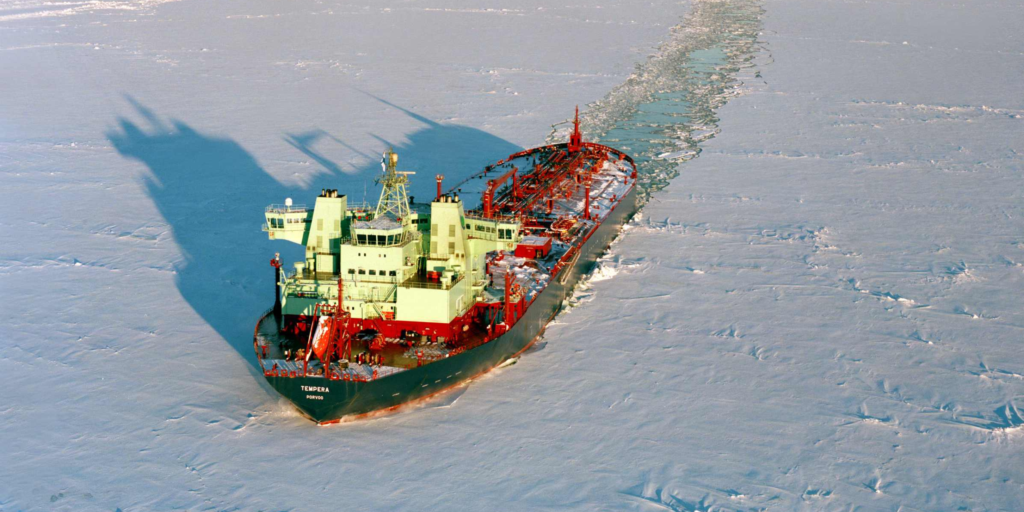
The Arctic has shifted almost overnight from a specialist niche to one of the most commercially and strategically significant maritime regions on the planet. A record number of diverse ice-capable vessel projects are currently under development — government and coastguard ships, research vessels, Arctic cargo and logistics tonnage – with more in the pipeline.
That is the picture emerging from the May-June 2026 issue of The Naval Architect, where Railotech’s head of sales and marketing, Arto Uuskallio, outlines what customers are actually asking for right now. The strongest demand is not for vessels optimised purely for extreme year-round Arctic conditions. Owners want carefully tailored ice performance combined with strong open-water efficiency and seakeeping – because shorter ice seasons mean these ships now spend a significant share of their operational lives outside the ice.
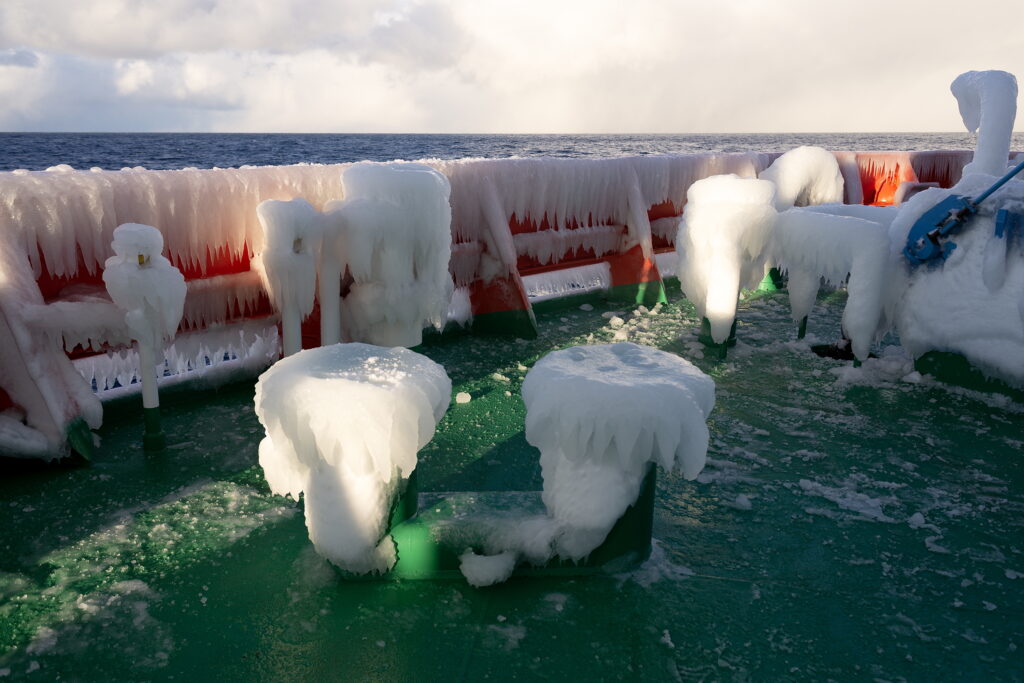
Getting that balance right starts at the very beginning of the design process. As Uuskallio notes, a vessel may encounter level ice, ridges, brash ice, and pressure zones within a single voyage, each imposing fundamentally different loads on hull, propulsion, and steering. Defining the ice conditions and operational assumptions correctly – before the design loop begins – is what separates a well-calibrated vessel from one that is either underbuilt for its environment or carrying unnecessary weight and cost for conditions it rarely meets.
With nearly 80 icebreaker designs behind us and the world’s largest database of operational ice data, Railotech brings the depth of experience this moment demands.
Read the full Naval Architect article [link]. For a detailed look at how Railotech approaches concept design for icebreakers, see our article The key to a successful icebreaker project.