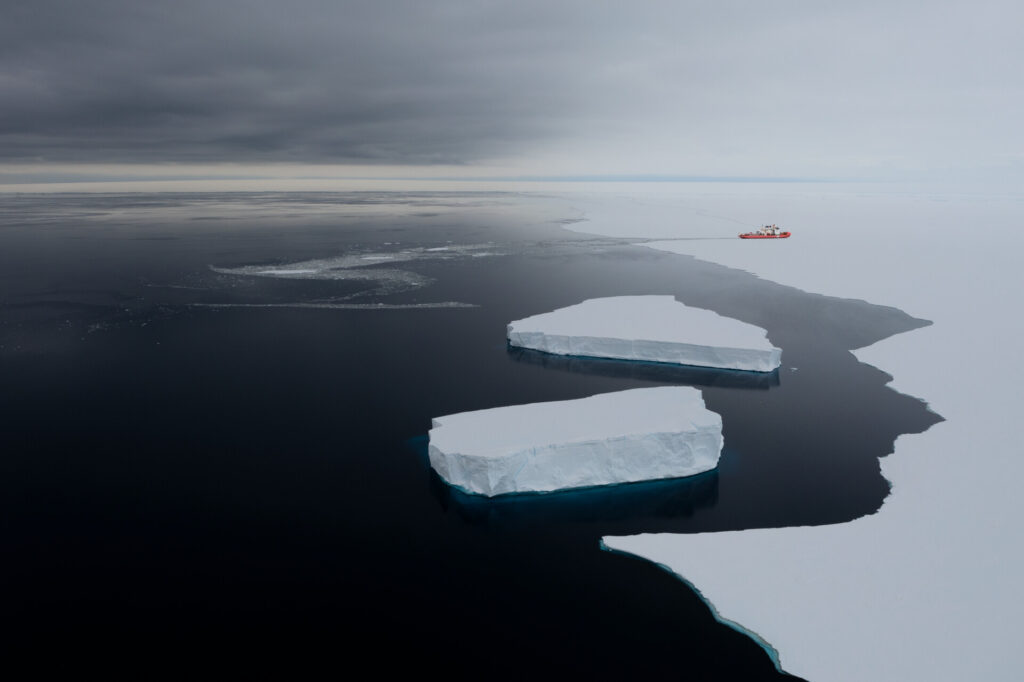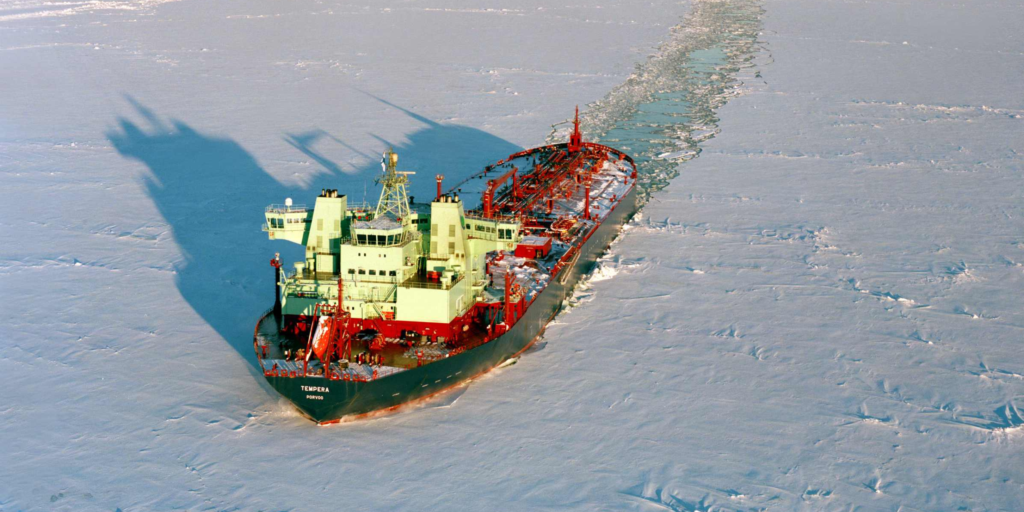
When the Canadian Coast Guard first set out with a vision of its next-generation polar icebreaker, the ambition was clear: to create a vessel capable of redefining Arctic operations for decades to come. That vision has now evolved into one of the most advanced polar shipbuilding projects in the world, amid growing geopolitical and strategic interest in the Arctic.
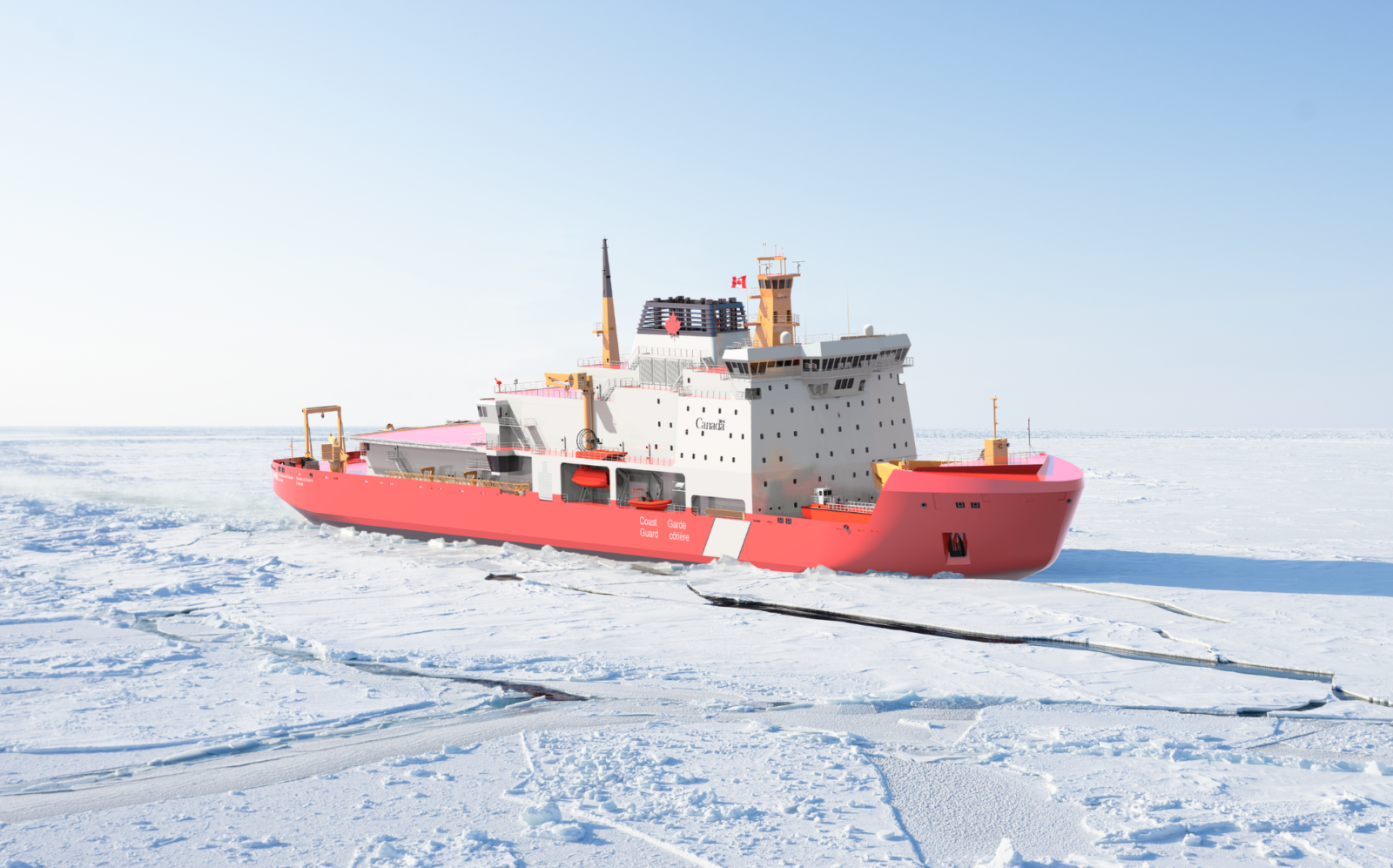
The Polar Class 2 (PC 2) icebreaker for the Canadian Coast Guard was conceived not merely as a replacement for the ageing CCGS Louis S. St-Laurent, but as a technological leap forward in icebreaking capability, Arctic science, and emergency response.
Goals and key decisions
In 2012, Railotech joined a team led by STX Canada Marine to design the Canadian Coast Guard’s new flagship polar icebreaker. The multi-mission vessel was intended to replace CCGS Louis S. St-Laurent, significantly strengthening Canada’s capacity to safeguard Arctic sovereignty through year-round operations at higher latitudes and over longer durations.
The project’s objective was ambitious: to deliver a state-of-the-art heavy icebreaker capable of operating in the harshest Arctic conditions, while supporting advanced scientific research and enabling faster response to maritime emergencies in Canadian waters.
While STX Canada Marine carried overall responsibility for the vessel design, Railotech took the lead on all major ice-related design aspects. This included hull form development and model tests in ice, ice strengthening definition, icebreaking power prediction, propulsion concept development, ice class determination, and winterisation features, all critical elements for a vessel expected to perform in some of the harshest marine environments on Earth.
The concept design progressed through three structured phases. The first validated and refined the concept originally developed by the Canadian Coast Guard. The second established key parameters such as vessel size, icebreaking capability, cargo capacity, crew size, and hull form. The third phase completed the design package in preparation for class approval and production preparation.
Hull form and propulsion for heavy ice
According to Rob Hindley, Head of Consultancy and Technology Development at Railotech, and project engineer during the original design effort, the Canadian Coast Guard took an active role in the design process.
“The Canadian Coast Guard wanted to understand not only what decisions were made, but what those decisions meant in practice,” Hindley explains.
One of the most consequential choices was to optimise the Polar Icebreaker’s hull form specifically for heavy icebreaking, while preserving strong open-water performance.
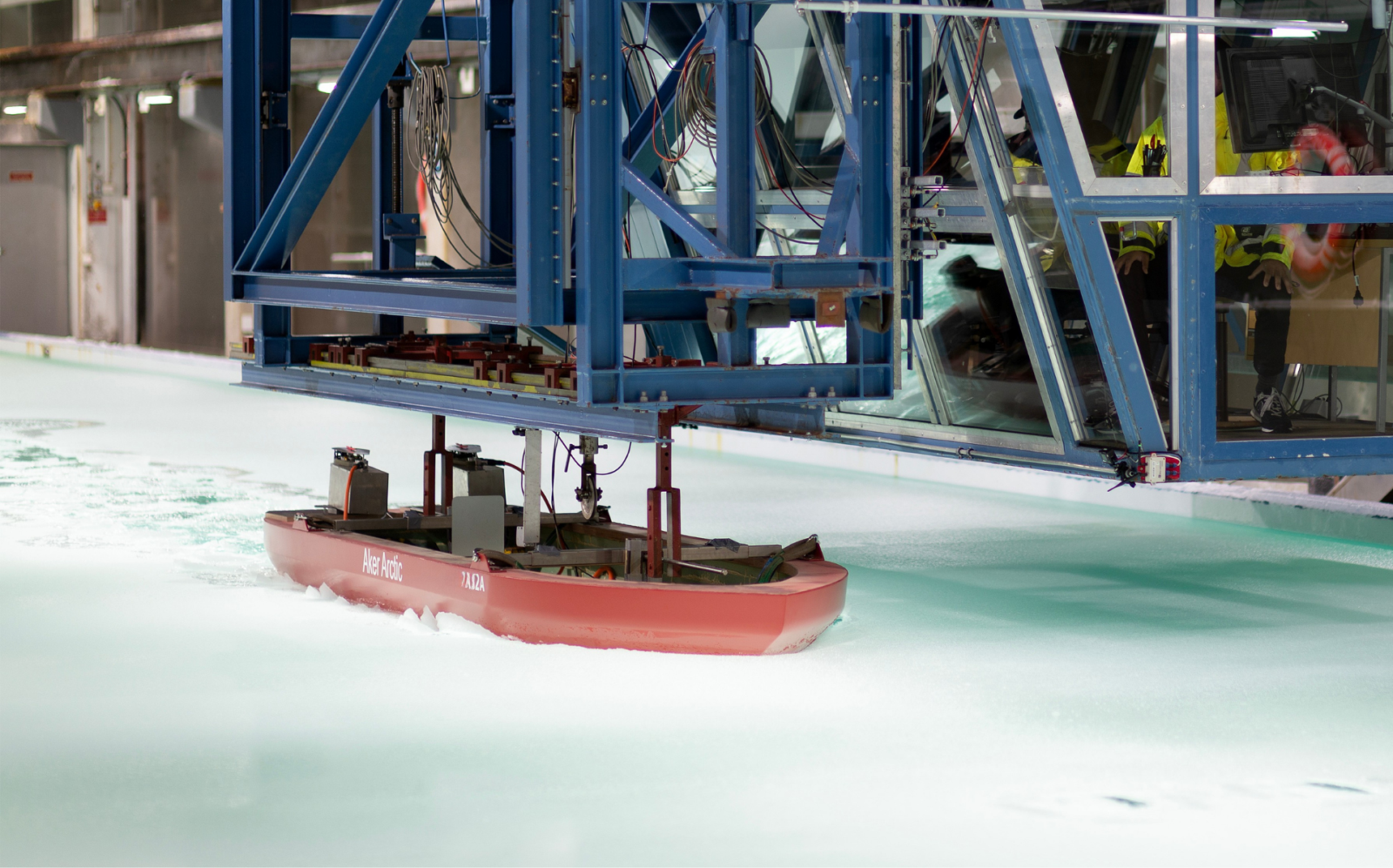
To achieve this balance, Railotech conducted extensive studies of propulsion alternatives, including azimuthing propulsion systems. While they had been in use in other ice-going vessels since the 1980s, their application in heavy icebreakers was still relatively new. The team systematically evaluated ice power requirements, manoeuvring, seakeeping, and open-water efficiency, alongside specialist systems such as air bubbling and ice-heeling technologies.
Model testing in Canada, combined with ice model testing at Railotech in Finland, validated the evolving design.
However, just as the Polar Icebreaker was ready to move into basic design in 2013, the Canadian government postponed construction. Priority shifted to the Royal Canadian Navy’s new joint support ships, pushing the icebreaker project into the next decade. In the meantime, CCGS Louis S. St-Laurent remained in service through life-extension upgrades.
The project resumes a decade later
When the project was revived in 2021, nearly ten years had passed since the original design.
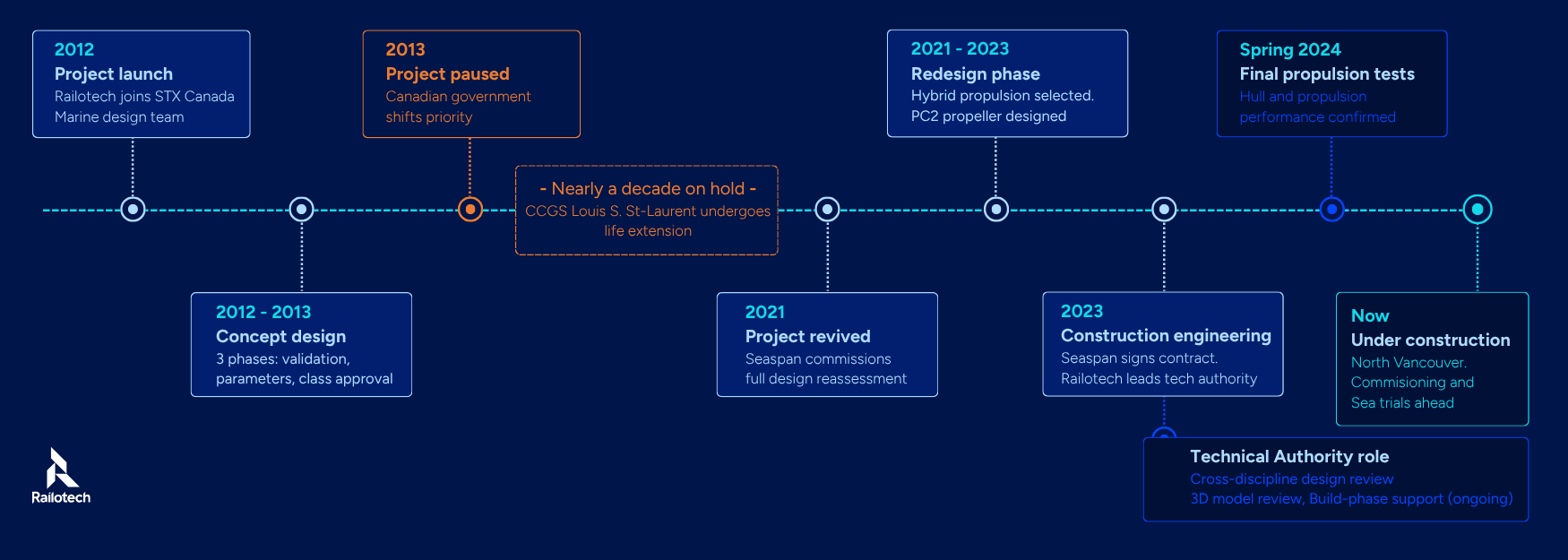
Recognising how much technology, regulations, and shipbuilding practice had advanced during that time, Seaspan Vancouver Shipyards commissioned a comprehensive design reassessment. The goal was not only to evaluate the vessel against current standards, but also to identify opportunities for improvement, to reduce technical risk, and to optimise the design for construction.
A consortium of specialist design companies was assembled. Once again, Railotech assumed responsibility for all ice-and-cold-related ship design aspects, while other partners reviewed more general ship design systems.
The design review covered the vessel holistically, including naval architecture aspects (stability, weight, general arrangement, and the ship as a whole), hull structures, main propulsion, electrical systems, ship systems important for icebreakers and Arctic ships, as well as domestic systems and outfitting. Railotech also compiled the overarching assessment report and presented the findings to Seaspan and the Canadian Coast Guard.
Jillian Adams, Team Leader for Naval Architecture and project manager for the design review at Railotech, says the findings revealed significant opportunities for improvement.
“Technology had advanced dramatically during those ten years, especially in systems related to icebreaking and hull form design,” she says.
Hybrid propulsion for performance
One of the most important developments between the initial design work and 2021 was the use of azimuthing propulsion in ice-going vessels.
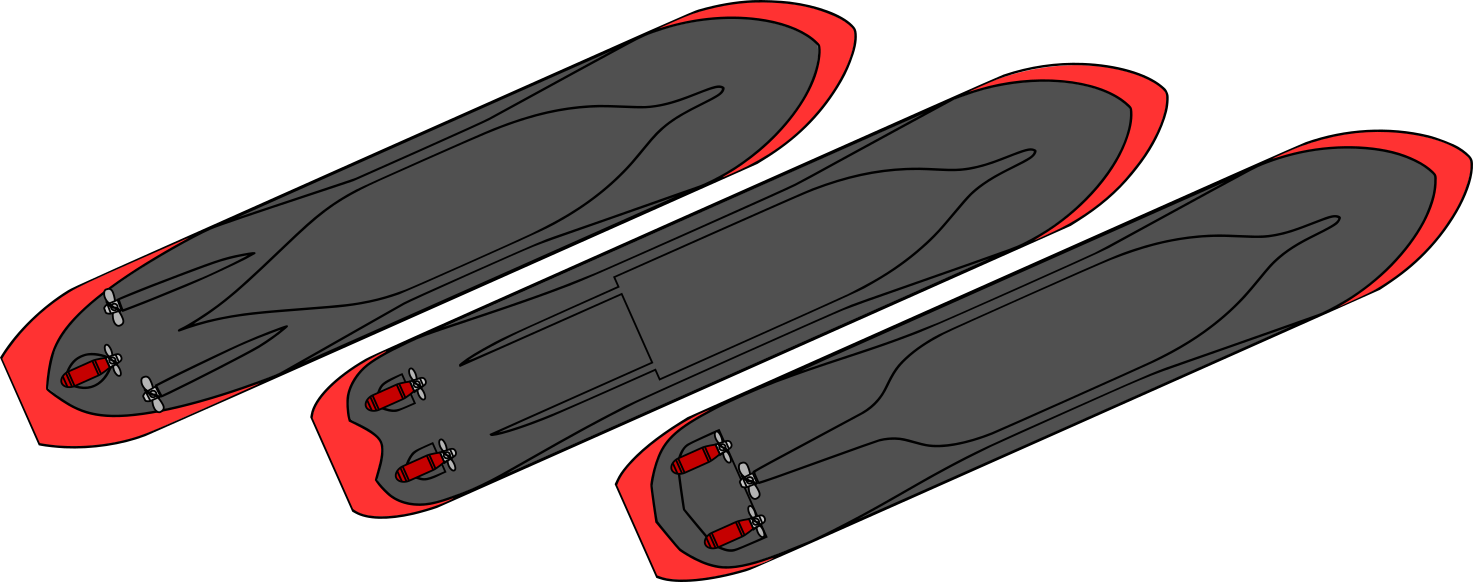
The original Polar Icebreaker concept featured a single azimuthing propulsor and twin shafts. In the intervening years, Railotech developed its hybrid propulsion solution: a centre shaftline flanked by two azimuthing propulsors. This configuration combines high manoeuvrability with greater efficiency during long Arctic transits. Multiple vessels with azimuthing propulsion units were also operating successfully in the Arctic, proving the system’s value.
Following the design review, three arrangements with different propulsion configurations were developed and evaluated in close cooperation with Seaspan and the Canadian Coast Guard. Extensive ice model testing confirmed the benefits of the alternative propulsion arrangement. Railotech’s hybrid propulsion configuration was selected as the optimal solution for the updated vessel.
In a separate order, Railotech designed and delivered the vessel’s six-metre-diameter Polar Class 2-rated stainless steel propeller for the 12-megawatt centre shaftline. This major engineering component is central to the ship’s icebreaking capability.
Incorporating critical updates
Parallel to the evaluation of propulsion configuration alternatives, Railotech implemented critical improvements identified during the design review phase. In addition to the propulsion configurations, three concept designs for the areas below the main deck were developed to compare the propulsion impacts and resolve major design review findings. The well-established deckhouse arrangement was maintained.
“The so-called downstairs of an icebreaker is what makes the ship move and function as an efficient icebreaker,” Adams explains.
During this concept refresh phase, Railotech’s target was to establish a healthy ship concept that would serve as a platform for the Canadian Coast Guard’s operations, be aligned with Seaspan’s production capabilities, and to ensure sufficient margins in the design for the upcoming phases. During this phase, Railotech was responsible for all key aspects of the design, including general arrangement, weight and stability, structural arrangements, and electrical and machinery design.
Refining the ice-strengthened hull
The hull itself was further refined to match the hybrid propulsion configuration and lengthened to meet updated Polar Code and Special Purpose Ship (SPS) Code requirements, both essential for Arctic operational safety.
Using its nonlinear structural analysis methods, Railotech optimised the hull structures. The result is a lighter ship with many benefits, such as lower steel weight, reduced construction costs, and an efficient steel structure. Certain speciality materials from the original design, including extra high-tensile steel that brings welding challenges in production, were replaced to simplify construction, without compromising performance or safety.
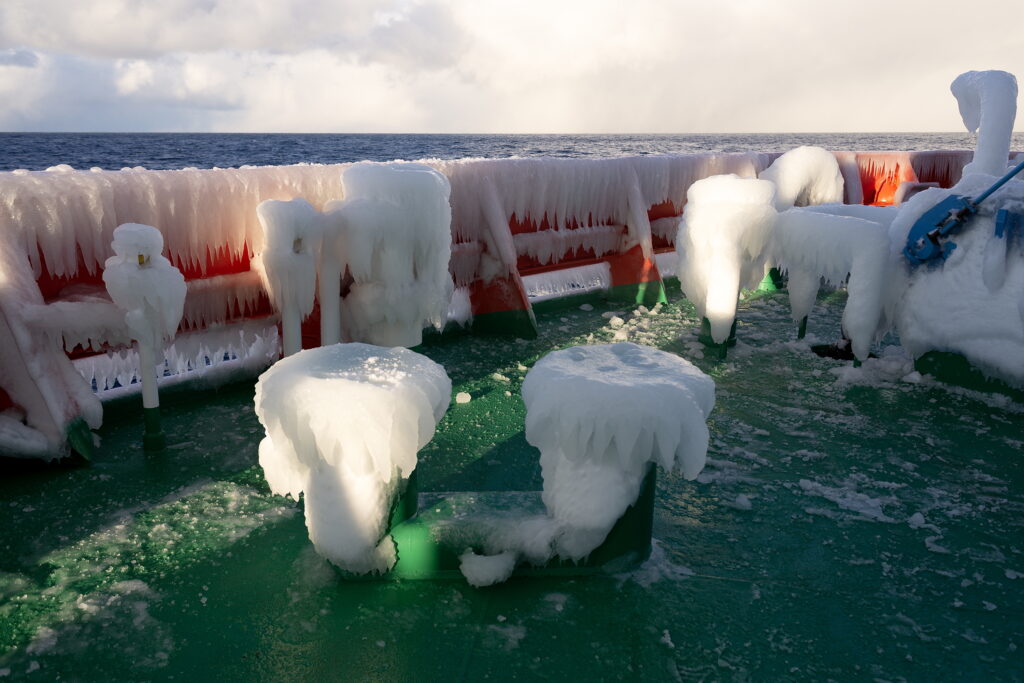
Winterisation remained another core responsibility. With an operating requirement of minus 50°C, every critical onboard function must remain reliable in extreme cold.
“We carried out the major design work for all the crucial icebreaking aspects,” says Project Manager Jukka-Pekka Sallinen from Railotech, overseeing the recent phases. “That was essential to designing a successful vessel.”
Finalising the design and engineering
The project then moved into construction engineering, covering both functional design and production design. Seaspan signed the final construction engineering contract, selected equipment suppliers, and completed the class appraisal process.
Railotech continued to lead on icebreaking and cold-climate design. Other companies in the consortium contributed across their expertise areas: Elomatic on general arrangements and generic ship design, Vard Marine with mission equipment, Canal Marine & Industrial with electrical design, and Barrier Marine Services with outfitting.
In spring 2024, another major milestone was reached when propulsion design tests were completed with the final design propeller. These tests verified that the hull and propulsion configuration generated the thrust required to meet both open-water and icebreaking performance targets and confirmed that the vessel would perform as intended in the Canadian Arctic.
“The final propulsion measurements validated that we had designed the hull form correctly,” says Sallinen. “These tests are critical as they finalise the hull design and complete one of the fundamental stages of the project.”
Additional auxiliary systems were integrated to further enhance performance in ice and open water: a roll stabilisation system to reduce wave-induced motion and an air-bubbling system to reduce hull-ice friction. Their final validation will take place during commissioning and sea trials.
Additional support to the shipyard
As the project advanced in functional design, Seaspan recognised that Railotech’s strength lay not just in designing individual systems, but in understanding the vessel as a complete icebreaking platform. That led to a new responsibility, and Railotech was asked to serve as part of the technical authority team for the project.
In this role, Railotech reviewed all design documentation to ensure that details in all aspects of the ship, including operation in low ambient temperatures and ice-covered waters, were integrated across all disciplines. Adherence to high-quality design principles and compliance with applicable standards needed to be confirmed.
“We looked at the ship as a whole to ensure that every piece of the puzzle fits together,” Adams notes. “We needed to ensure that the other design teams understood that this is a heavy icebreaker and what it really means to operate in minus 50°C.”
Railotech utilised its large pool of experts to bring in all the practical knowledge of heavy icebreaking, good practices in Arctic ship design, and cold-weather expertise.

3D model review
In the most recent production design phase, this system-level perspective proved especially valuable during 3D model reviews, where the functional design drawings were translated into the fully integrated 3D ship.
The strict stability regime required detailed reviews to ensure that all the other disciplines were adhering to the watertight integrity and stability principles, as defined by a combination of the Polar Code and SPS Code, and that this was correctly represented in the 3D model.
“The 3D model proved to be an extremely efficient tool for ensuring that system routings are done according to the constraints given by the watertight integrity plan, thus not causing a risk for progressive flooding,” says Björn Schönberg, Lead Naval Architect, Ship Theory, responsible for the Polar icebreaker’s stability.
Positive feedback from the customer
Railotech has received positive feedback from both the Canadian Coast Guard and Seaspan about its high-quality design work, its way of presenting different options, and how it has liaised and communicated with the other designers in the team to achieve a state-of-the-art icebreaker.
“When you’re tasked to build the first Canadian heavy icebreaker in over 50 years, you seek out the industry’s experts to partner with, and that’s Railotech,” Jess Fetterman, VSY’s Chief Engineer, Polar Icebreaker, notes. “They are key contributors to Polar’s ongoing successes in design and construction.”
The project has also allowed Railotech to learn how shipbuilding practices in Canada differ from other countries. Every country manages shipbuilding in their own way and has different constraints that need to be acknowledged for a successful construction project.
To date, Railotech’s icebreaker designs have been built at eleven shipyards around the world.
Building to delivery
Construction of the Polar Icebreaker is now fully underway in North Vancouver, Canada. Railotech will continue working on the project with build-time support on hull, structures, performance, bubbler system, and roll-stabilising system, including inclining test and sea trials.
The PC2 icebreaker will become the most powerful conventional icebreaker in Canada, and one of the most advanced in the world. Once in service, the Polar Icebreaker will play a vital role in protecting more than 162,000 kilometres of Arctic coastline, reinforcing Canada’s Arctic presence in an increasingly strategic region.
What began in 2012 as an ambitious design challenge has evolved into a defining project in modern polar shipbuilding. A vessel shaped by a decade of innovation, interruption, redesign, and engineering progress is being built to meet the Arctic of tomorrow.
Technical details
Length:
158.2 metres
Beam:
28.0 metres
Design draught:
10.5 metres
Displacement:
about 26,000 tonnes
Complement:
100
Propulsion:
Diesel-electric twin-azimuth/ single shaft hybrid propulsion; 34 MW in total
Installed power:
about 48 MW
Icebreaking:
3 knots in 2.5 metres level ice with 30 cm snow
Temperature:
minus 50°C
Ice Class:
Polar Class 2 (PC 2) Icebreaker (+)
Text by Catarina Stewen