More than a century after Sir Ernest Shackleton’s legendary Antarctic expedition, the fate of his ship the Endurance continues to captivate historians, engineers, and polar researchers. In 2022, that legacy intersected directly with modern ice engineering when Professor Jukka Tuhkuri of Aalto University joined the Endurance22 expedition to locate the wreck and reassess one of polar exploration’s most enduring myths.
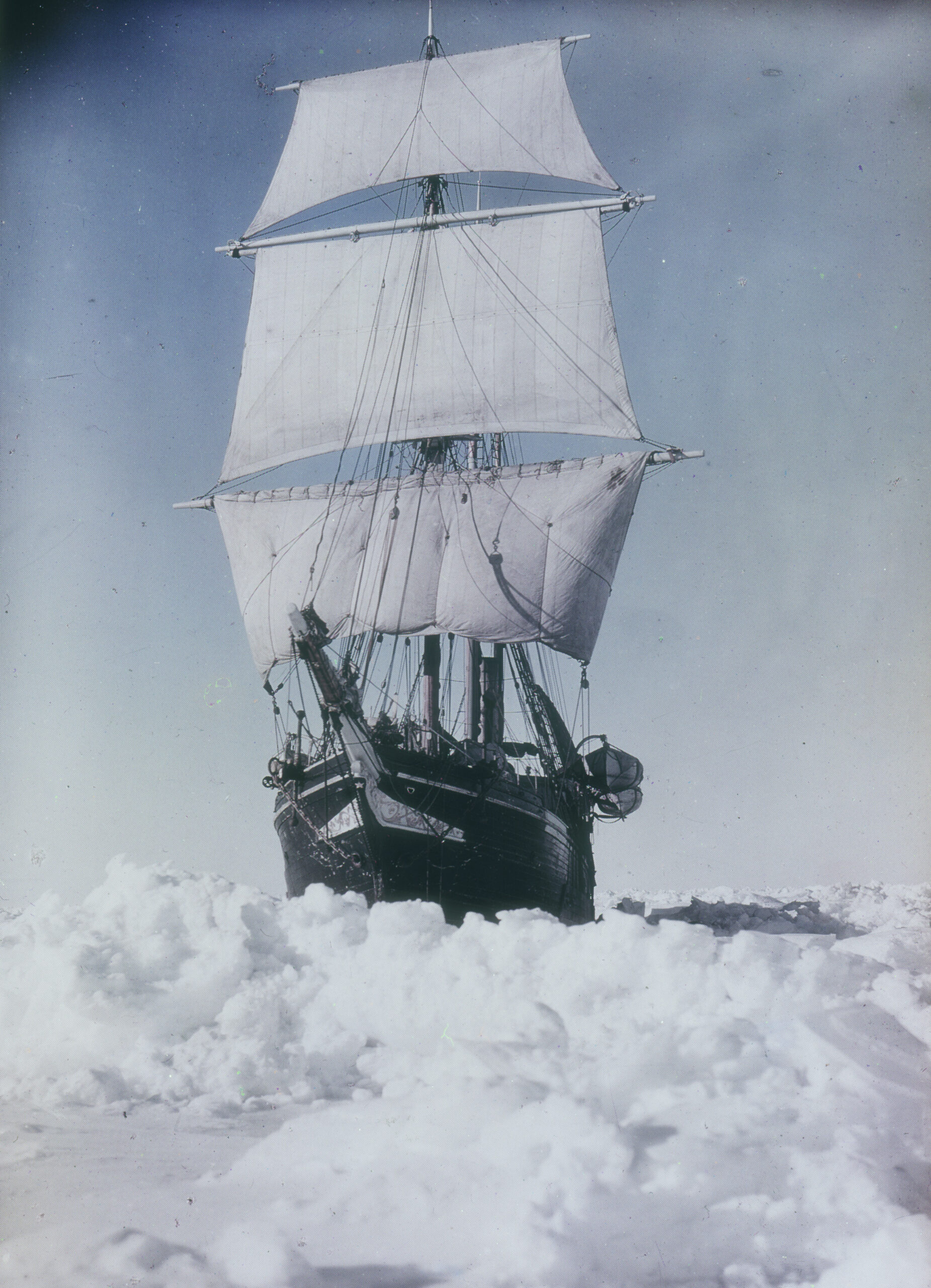
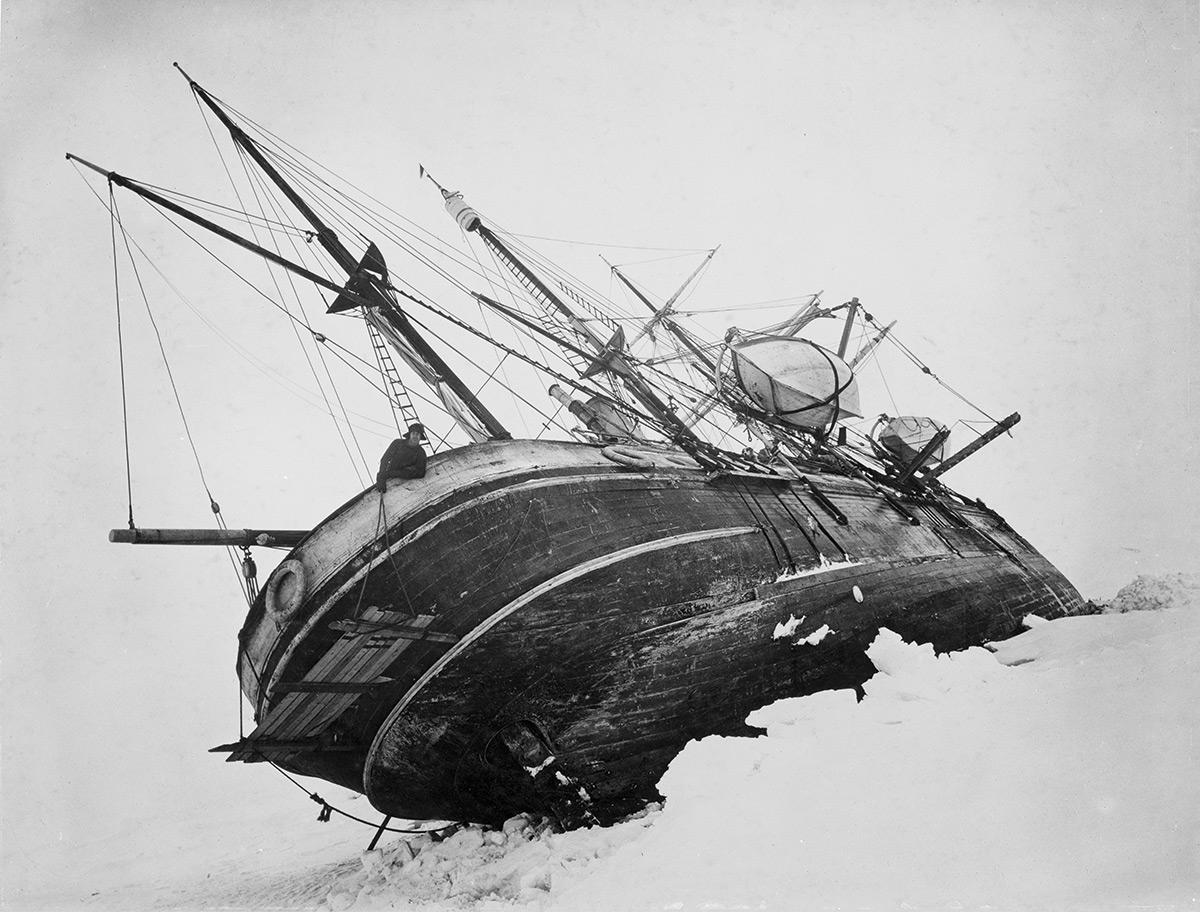
The Endurance22 expedition departed from Cape Town bound for the Weddell Sea in Antarctica – the location of the Endurance’s last recorded position before she sank in November 1915. By that time, the vessel had been trapped in compressive pack ice for months. When she was finally crushed, her crew moved to the surrounding pack ice and camped under extreme conditions.
Bringing closure to the legend
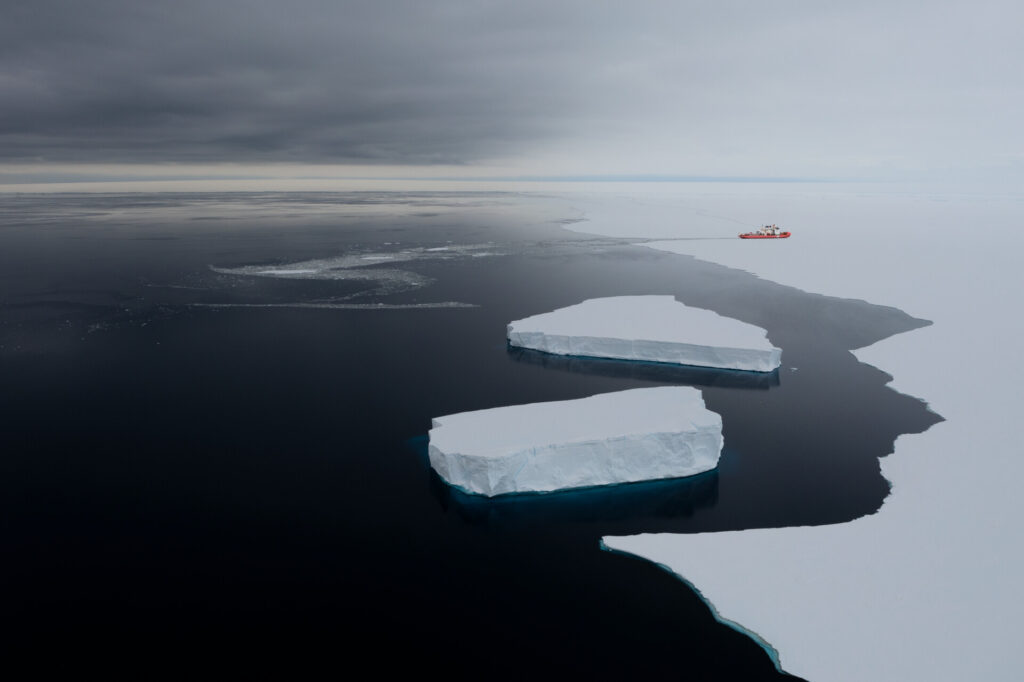
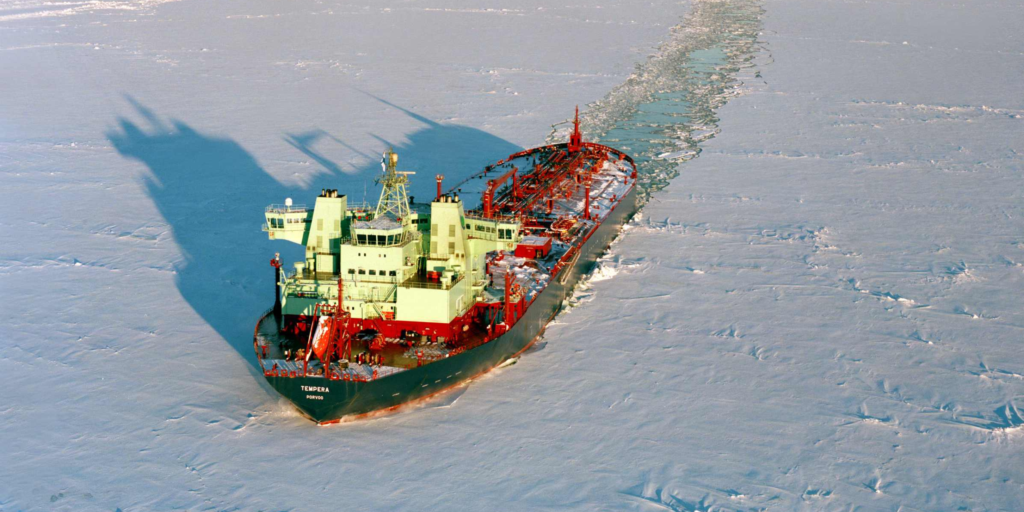
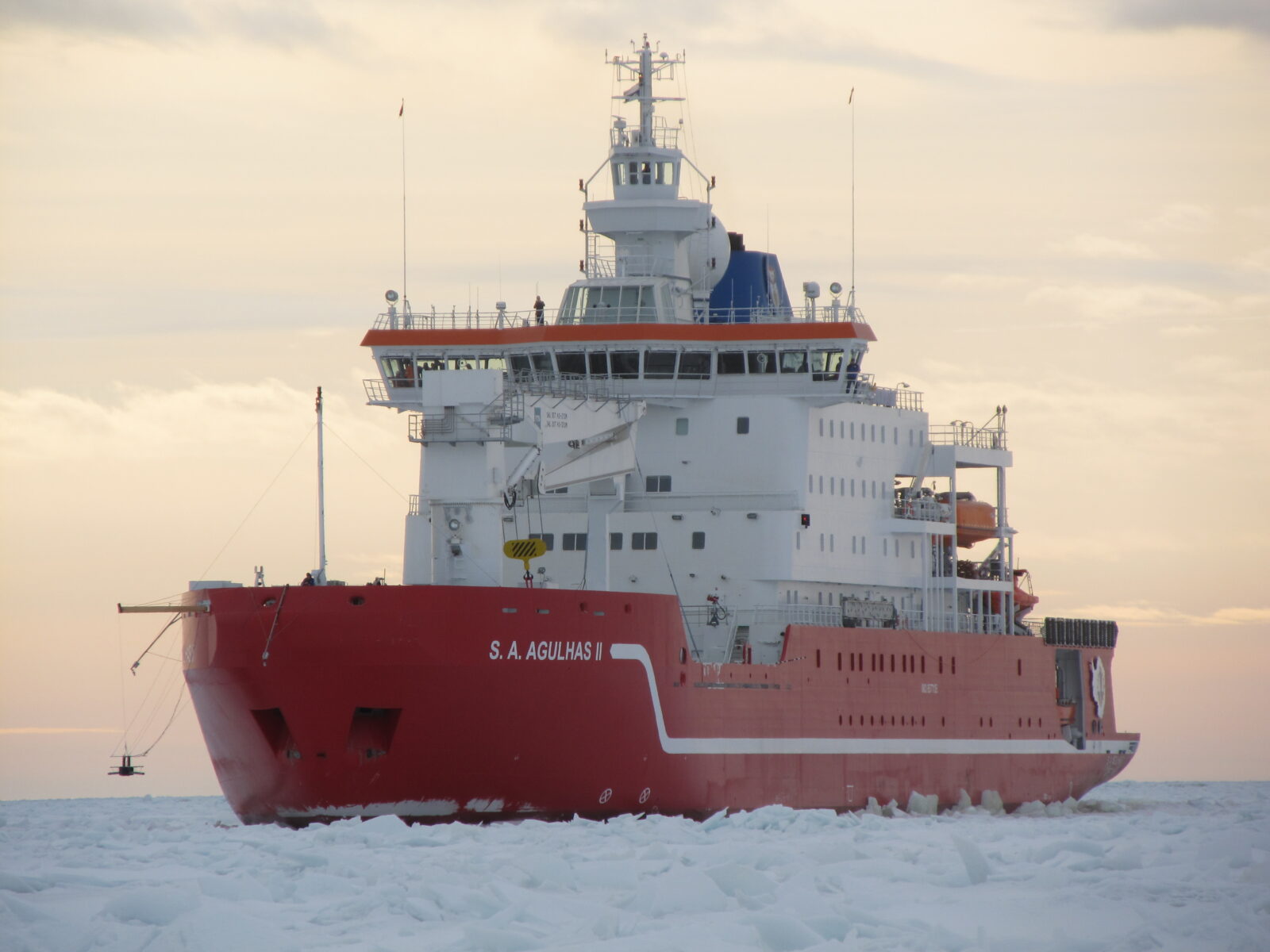
The search for the shipwreck was conducted aboard the modern South African research and logistics vessel S.A. Agulhas II, built in Finland in 2012, an example of how far polar vessel design has evolved since Shackleton’s era. Organised by the Falkland Maritime Heritage Trust, the mission aimed to locate the wreck and close a historic chapter in maritime exploration.
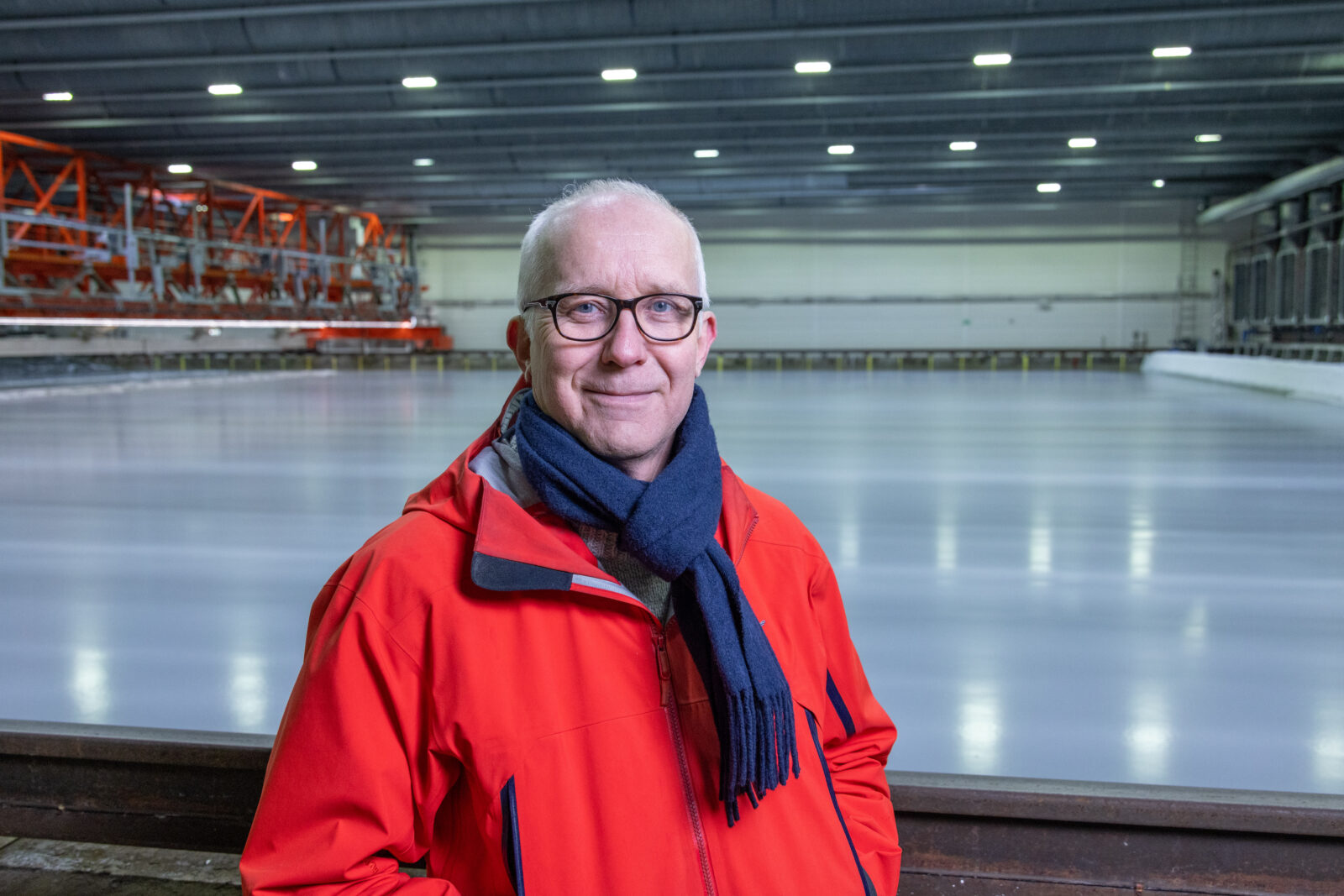
“After the Titanic, the Endurance is probably the second most famous shipwreck in the world,” notes Tuhkuri, Professor of solid mechanics at Aalto University in Finland, and one of the world’s foremost ice researchers. “Shackleton became a symbol of leadership under extreme adversity by bringing his entire crew home alive after losing the ship.”
On 5 March 2022, after weeks of searches with an advanced underwater autonomous vehicle, the wreck was located about three kilometres beneath the Weddell Sea pack ice. The discovery generated immense global attention and renewed interest in both the expedition and the vessel itself.
Structural analysis challenges the myth
The expedition also triggered a deeper technical investigation. Tuhkuri authored the book Jään Voima (The Power of Ice) (Siltala, 2024) and published a peer-reviewed structural analysis in Polar Record (Cambridge University Press, October 2025), addressing a question long taken for granted:
Why did the Endurance actually fail?
Contrary to popular belief, the vessel was not the strongest polar ship of her time in structural terms. By examining original hull drawings and correspondence in archives, Tuhkuri concluded that the Endurance had been designed primarily for Arctic summer operations at the edge of pack ice. Those environments are dominated by impact loads from drifting floes, not sustained compressive forces.
Antarctic pack ice conditions, by contrast, are characterised by vast compressive ice fields that impose prolonged lateral pressures on hull structures.
Such conditions require fundamentally different structural solutions, including diagonal reinforcement to prevent hull collapse under squeezing loads – features the Endurance did not possess.
Tuhkuri further established that Shackleton was aware of the elevated risk and knowingly accepted it, a decision that ultimately proved structurally catastrophic.
Implications for modern icebreaker design
According to Tuhkuri, the relevance for today’s ship designers is unambiguous. Ice is not a uniform operating environment. Load mechanisms vary dramatically by region, season, temperature, and ice morphology.
“In ship design, it is fundamental to define the exact ice environment the vessel will encounter, quantify the expected loads, and design the hull accordingly,” Tuhkuri emphasises. “A ship optimised for one ice regime should not be assumed safe in another.”
This principle underpins modern mission-specific design philosophies and the growing emphasis on clearly defined operational envelopes. The Endurance case remains a reminder of what happens when environmental assumptions diverge from structural reality.
The value of scientific reassessment
Tuhkuri also highlights the broader importance of rigorous scientific analysis.
“Over a century ago, The Times described the Endurance as the strongest ship ever built. Based on structural evidence, they were able to correct the record.”
His research has also been adopted by The New York Times as part of an educational STEM case study, illustrating how technically grounded narratives can bridge engineering, history, and public understanding.
Warm ice: a new design variable
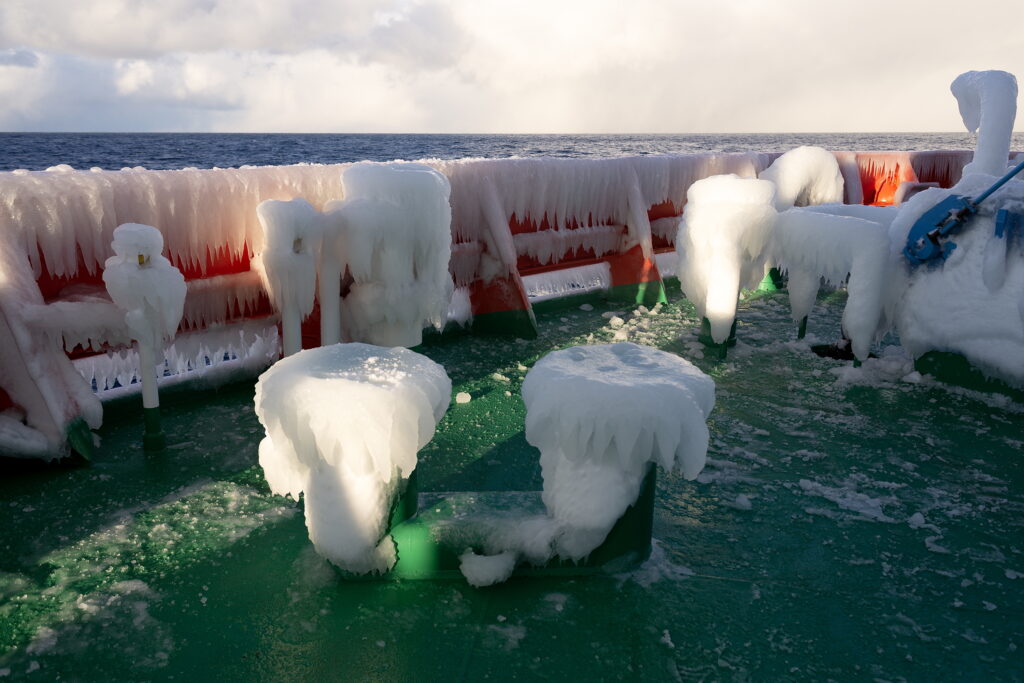
Beyond historical analysis, the expedition produced valuable new field data for Tuhkuri’s current research project. While S.A. Agulhas II paused to deploy the submersible, Tuhkuri conducted measurements of one-metre-thick Antarctic ice near its melting point, conditions increasingly common as polar temperatures rise.
To date, most climate research has focused on ice extent and thickness. Less attention has been paid to how warming alters ice as a material, and how this affects structural loading on vessels.
“Ice loads follow the relation F=pA,” Tuhkuri explains, where F is force, p is pressure, and A is contact area. “Cold ice generates high pressures over small contact areas. Warmer ice, however, produces lower pressure distributed over a much larger area, resulting in load patterns that differ significantly from traditional design assumptions.”
His observations indicate that warm ice also exhibits unexpected deformation behaviour, with direct implications for hull loads, local plating stresses, and operational safety.
“We are already seeing that softer ice conditions create a false impression of safety. Vessels without adequate ice strengthening are sailing into previously inaccessible regions. In structural terms, they are repeating the mistakes made with the Endurance,” Tuhkuri concludes.
Text by Catarina Stewen