In response to climate change, current megatrends, stakeholder expectations, as well as evolving international regulations, Aker Arctic has developed a sustainability guidance plan towards a more responsible future while helping customers to achieve their sustainability goals.
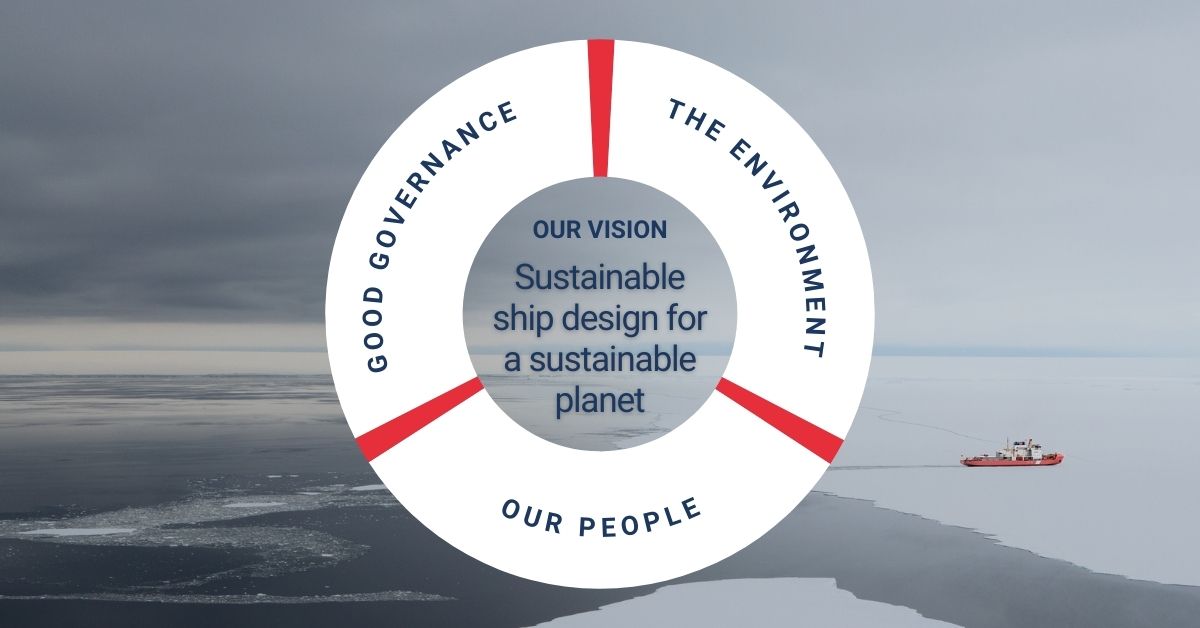
The sustainability plan is aligned with the three main topics outlined in EU corporate sustainability reporting directives, namely E=Environment, S=Social, G=Governance (ESG).
“Nine areas have been identified as the most relevant in our daily work,” Managing Director Reko-Antti Suojanen outlines. “In these we believe we can add most value for our customers, our stakeholders, our people, and our planet.”
Good governance is the basis for everyday work
Aker Arctic’s projects have increasingly shifted towards renewable energy production, for instance wind power, and supporting markets for renewable fuels, including hydrogen, methanol and ammonia.
“We will continue to focus on projects in these areas, while working with responsible customers, shipyards and stakeholders. This is in line with our renewed strategy that now incorporates ESG,” Suojanen explains.
“Our mission is to produce and develop services and products that enable sustainable and safe operations in ice-covered waters. We are therefore fully committed to International Maritime Organisation (IMO) greenhouse gas reduction targets,” Suojanen says.
Throughout the company’s history, Aker Arctic experts have actively taken part in and facilitated discussions in the industry. Examples include: participating in IMO workshops, presenting R&D at global shipping events, arranging the yearly Arctic Passion Seminar in Helsinki, as well as publishing articles on new projects, development trends and research findings in Arctic Passion News – the printed and online company magazine.
“In our selection of partners, codes of conduct and safety have always guided us, but now ESG has been added to the requirements,” Suojanen adds.
Preserving the environment for future generations
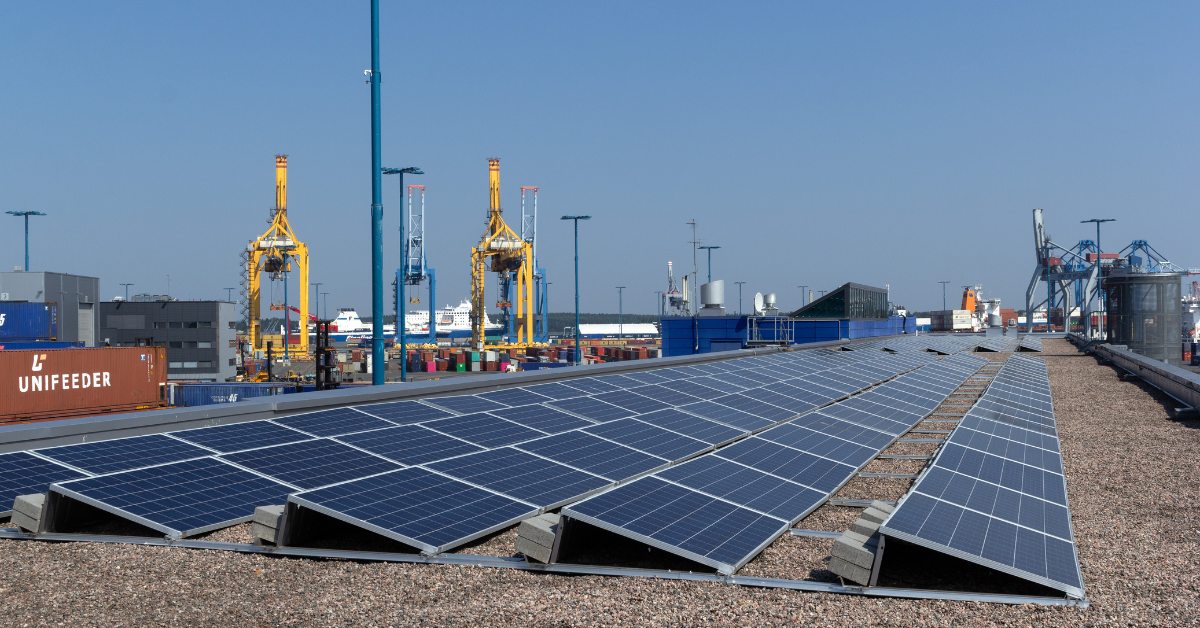
As an engineering office, Aker Arctic’s own emissions are quite small. However, Scope 1 & 2 greenhouse gas (GHG) emissions have already been monitored for five years, and the aim is to continue reducing them through various actions. Scope 3 emissions will be defined during 2024.
Enabling customers to reach their goals
Increasing the carbon handprint and climate impact in the value chain are where the prime positive environmental influences can be achieved.
“In every new vessel project, the design should be more sustainable than its predecessors,” Suojanen emphasises.
“This means that we always consider what fuel options can be implemented to reduce climate impact. Additionally, lower emissions can be achieved both in construction and operations by utilising the latest technologies and implementing new approaches.”
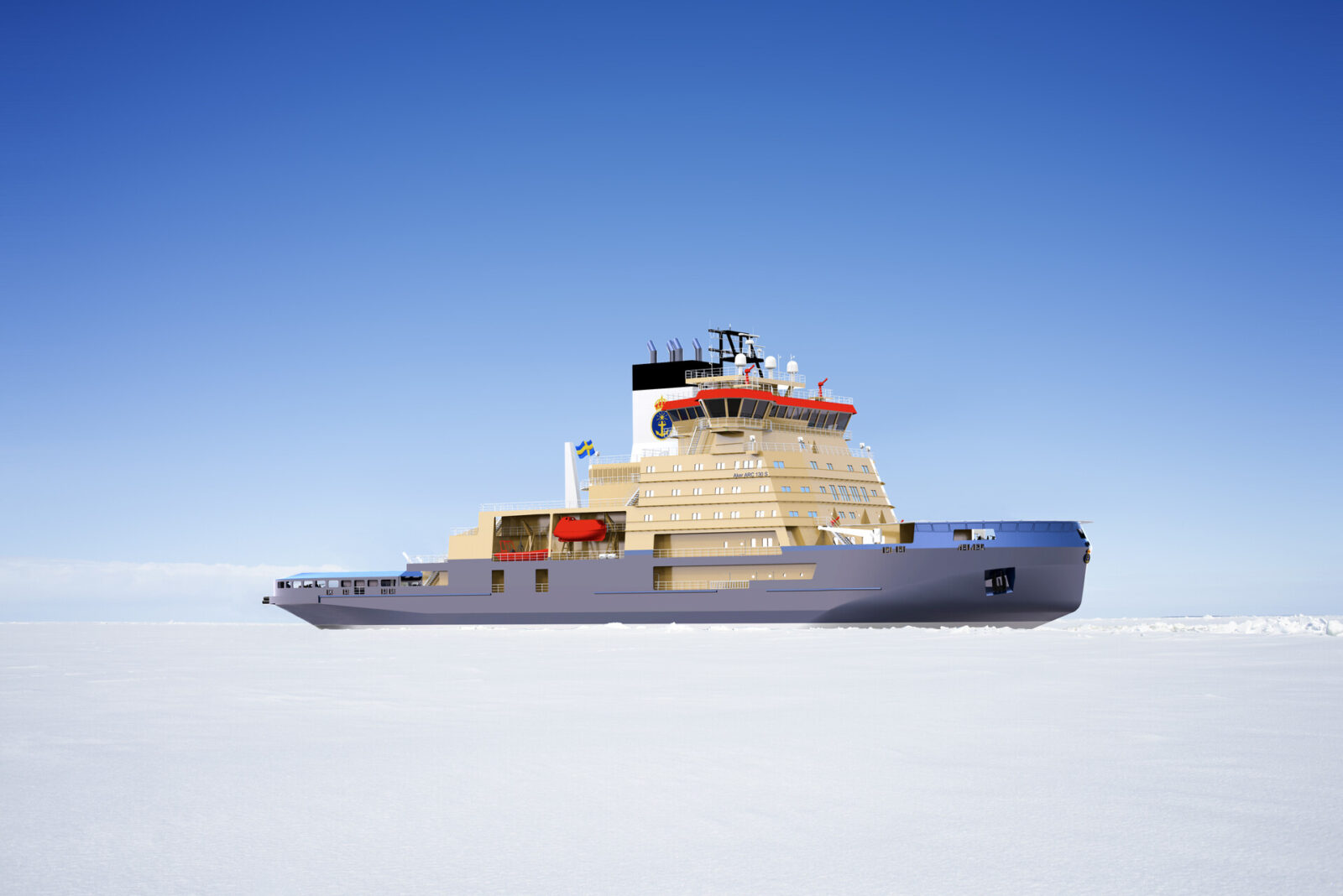
For example, in the recently designed Swedish icebreaker, the requirement was to design a vessel with 70% lower emissions than the previous one, and this was achieved.
Lifecycle assessments (LCA) are further recommended in every new project, where GHG emissions in the design are calculated to support customers in their decisions. Read more about LCA and Lifecycle costs LCC services.
The aim is to help customers find ship solutions that reach their requirements, consume less energy, and use carbon-neutral energy alternatives.
Passionate ice people are the key to success
Aker Arctic employees are all tremendously enthusiastic about ice, icebreaking, Arctic areas and improvements in technology.
“This is the place where our passionate team finds daily meaning in their work. They are continuously developing their expertise to achieve even more successful operations in ice,” Suojanen underlines.
Aker Arctic’s high employee satisfaction score, long-term employment and low sickness leave records testify to this.
In addition to competitive salaries and a salary equality policy, employee benefits are on a high level; occupational healthcare and regular joint recreational activities being among them.
“As a responsible and flexible employer, we encourage cycling and public transport to work. We offer remote working opportunities, and provide free charging points for employees using electric cars,” Suojanen says.
All ESG actions are part of creating a green organizational identity, where every Aker Arctic employee actively cares about ESG and contributes to a more sustainable future.
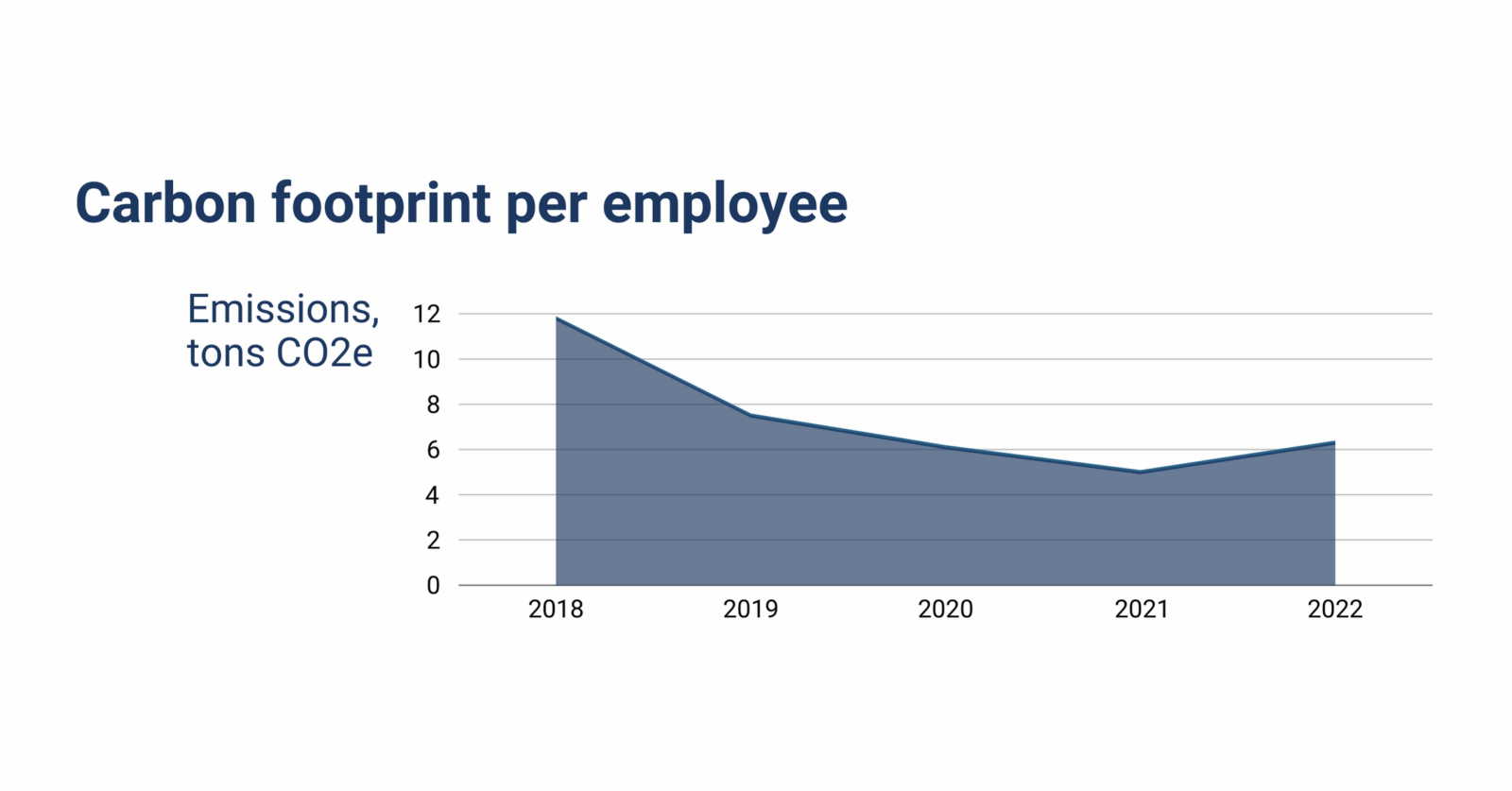
We will continue to monitor key sustainability indicators such as carbon footprint, energy efficiency and social impact metrics and publish results annually to ensure transparency and to track our progress towards a more sustainable future.
Text by Catarina Stewen