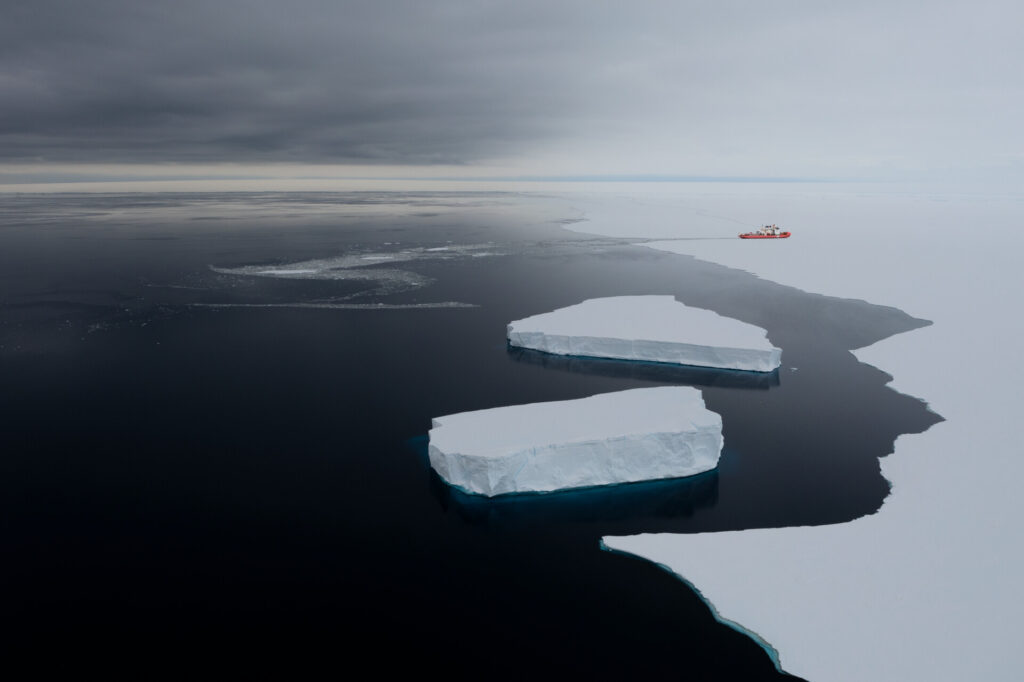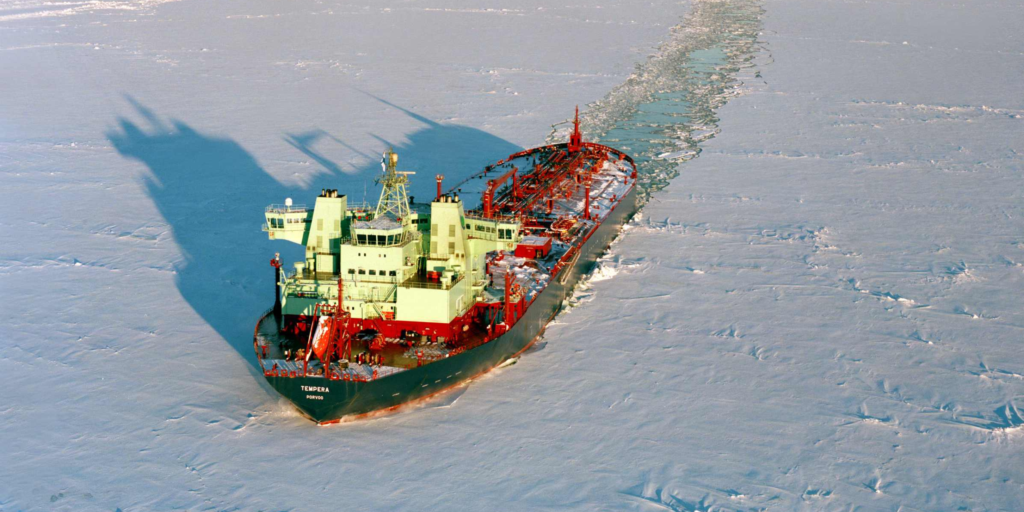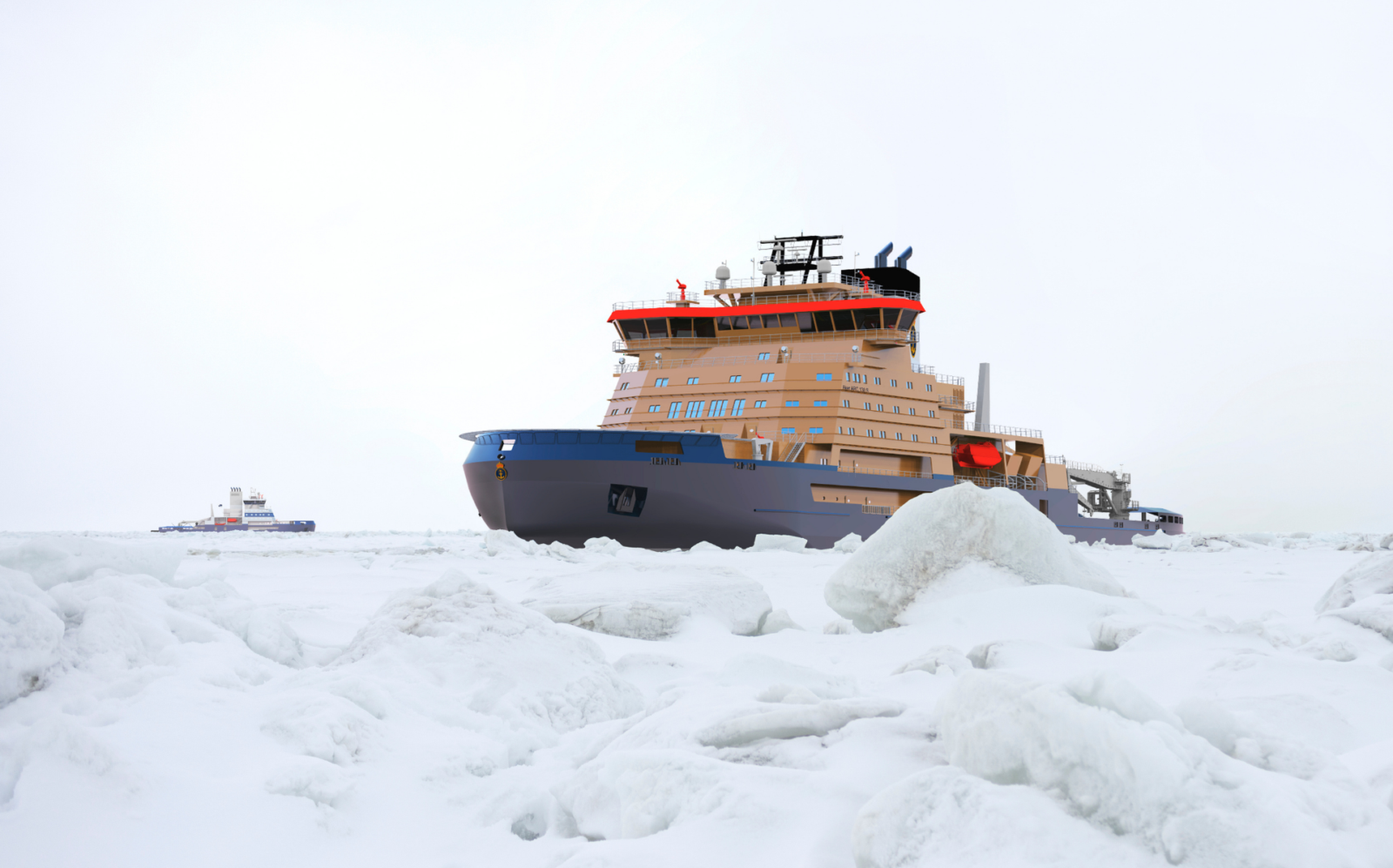
As severe ice conditions gripped the Baltic Sea during the winter of 2025–2026, Sweden’s ageing icebreaker fleet faced one of its most demanding seasons in years. The winter highlighted a growing challenge: several of the country’s largest and most important icebreakers are approaching the end of their operational lives.
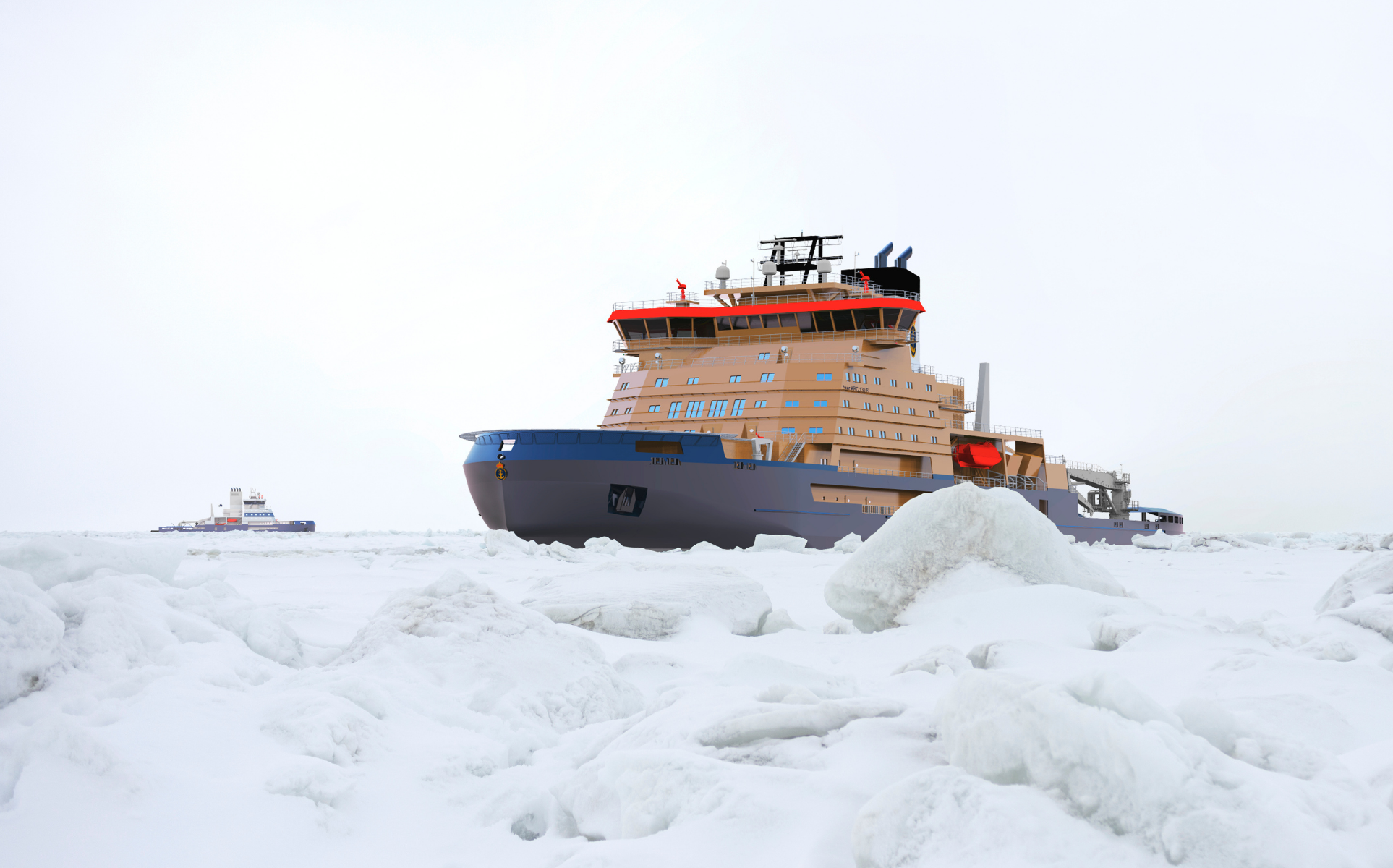
Yet the solution is already in sight. In 2020, the Swedish Maritime Administration commissioned Railotech to develop a next-generation icebreaker capable of meeting the future demands of Baltic Sea winter navigation. The ambition was not simply to replace ageing vessels, but to create a new benchmark for icebreaking performance, energy efficiency, and environmental sustainability.
Through innovative engineering based on decades of experience and an extensive portfolio of successful icebreakers, advanced design tools, and close collaboration between stakeholders, that vision evolved into one of the world’s most advanced icebreaker projects.
Following commissioning and ice trials during the 2029-2030 season, the vessel is planned to enter operational icebreaking service in the 2030-2031 icebreaking season. It will significantly strengthen Sweden’s icebreaking capacity while setting new standards for icebreaker design.
Preparing for a changing future
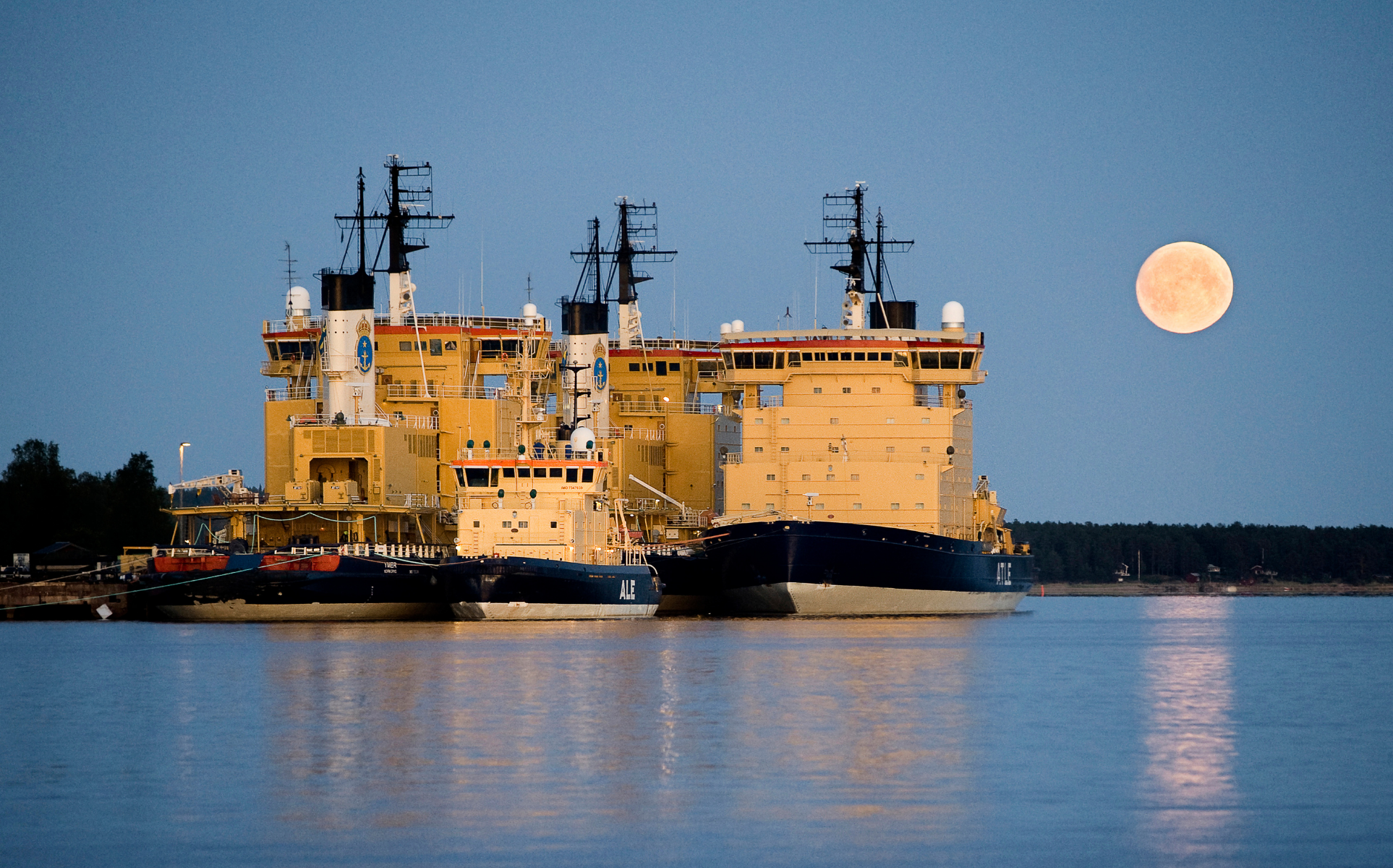
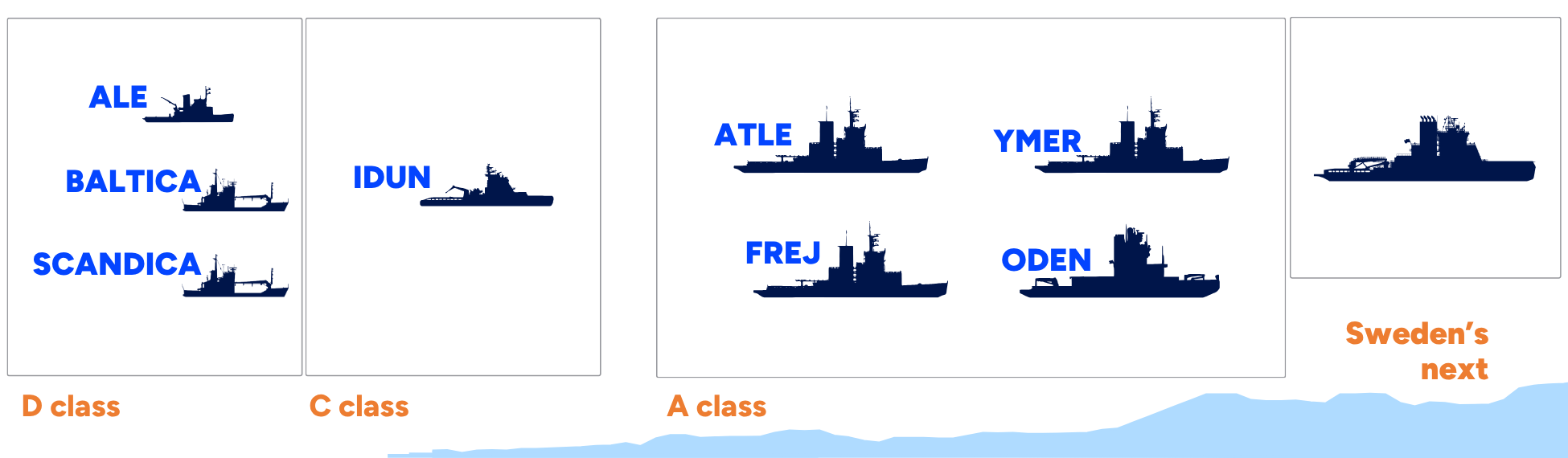
When the Swedish Maritime Administration launched the project in 2017, Sweden’s largest icebreakers were already nearing the end of their service lives: three Atle-class icebreakers were built in the mid-1970s, while Oden entered service in the late 1980s.
At the same time, the planned expansion of the Port of Luleå through the Malmporten project highlighted the need to assist increasingly large commercial vessels in winter conditions. Future vessels calling at the port could have beams up to 32 metres, creating new demands for icebreaking capability.
A new benchmark for Baltic icebreaking
From the beginning, the objective was to develop a new generation of icebreakers that combined superior icebreaking performance with dramatically lower emissions than the current fleet.
The vessel would need to independently create a 32-metre-wide channel for commercial shipping, reduce greenhouse gas emissions by 70 per cent compared to the Atle-class, remain cost-efficient throughout its life cycle, and retain the flexibility to adapt to future technologies and fuels.
Railotech was selected to turn those ambitions into reality.
Defining the requirements
As with every successful icebreaker project, the work began with establishing a detailed understanding of the customer’s operational needs.
Through workshops and technical discussions, Railotech’s specialists worked closely with the Swedish Maritime Administration to define not only what the vessel should achieve, but also how different operational and technical requirements interact within an icebreaker design. Together, the teams developed a shared understanding of the operational objectives and agreed on a common interpretation of the requirements. This became the foundation for the concept development.
At the same time, Finland was also evaluating options for renewing its icebreaker fleet. Building on decades of successful co-operation in Baltic icebreaking, the Swedish Maritime Administration and the Finnish Transport Infrastructure Agency joined forces during the early stages of development.
Both nations share the responsibility of keeping Baltic Sea ports operational throughout the winter and have developed a practical understanding of what Baltic ice demands of a vessel. That operational depth informed the joint development work, allowing both organisations to benefit from a broader knowledge base and shared testing programmes.
Finding the optimal solution
For more than fifty years, Railotech has systematically developed icebreakers for a wide range of operating conditions, building extensive expertise in how ice conditions and operational requirements shape vessel design. To ensure that every major decision was based on the latest facts rather than assumptions or outdated information, Railotech conducted a series of initial technical studies to establish the state of the art in icebreaker technology.
“When a customer has not ordered an icebreaker for decades, studies comparing different solutions are an effective way to reduce uncertainty and ensure that decisions are based on facts,” explains Chief Designer Tuomas Romu from Railotech.
The technical studies examined future fuels and availability, engine alternatives, battery technology, cost and emission estimates, towing arrangements and other key aspects affecting long-term performance.
Side-by-side comparison
Before concept development began, the Swedish Maritime Administration had identified four concept alternatives for evaluation. For each option, Railotech developed a complete concept design, including hull form, dimensions and internal arrangements, enabling a direct comparison of technical feasibility and performance.
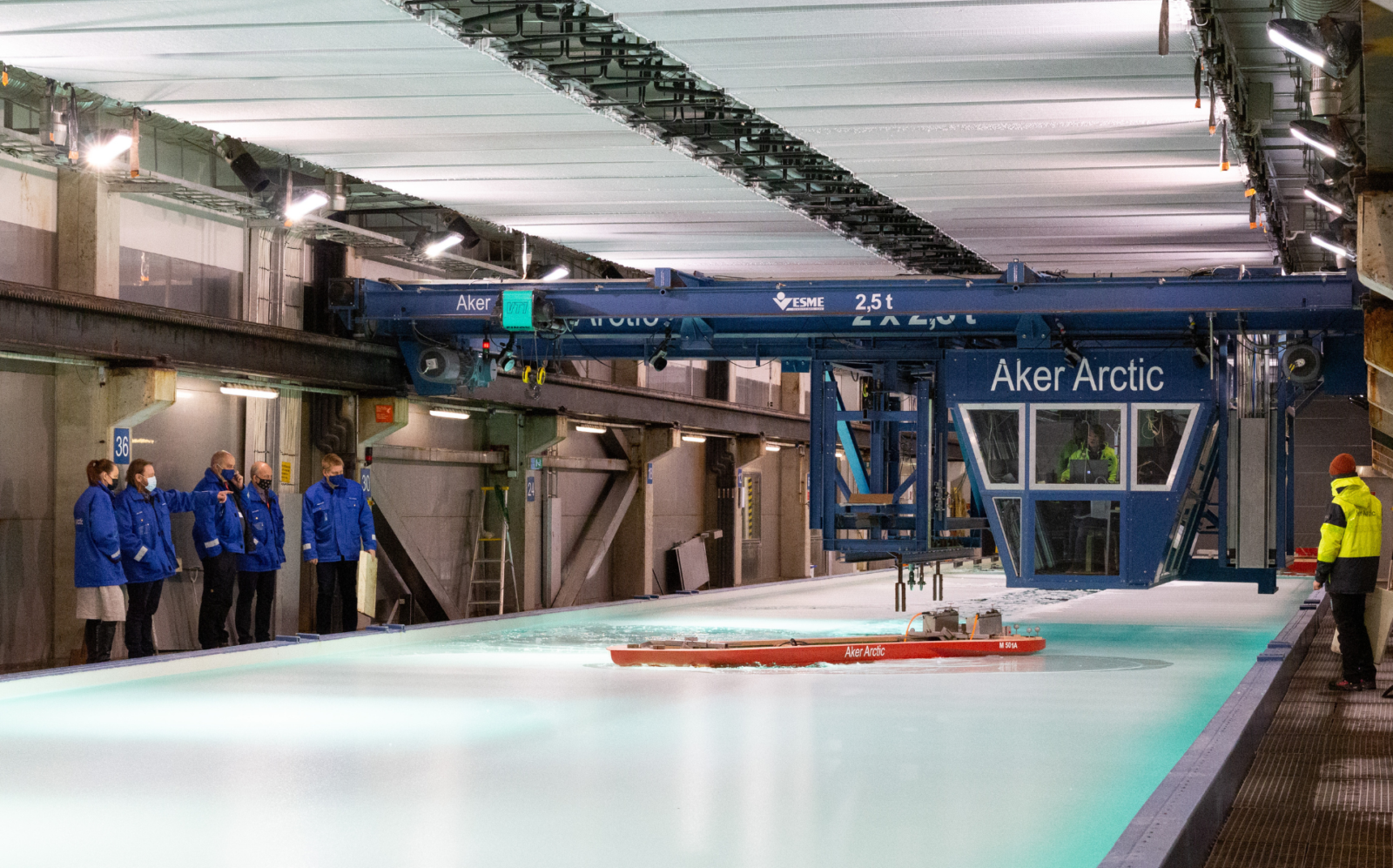
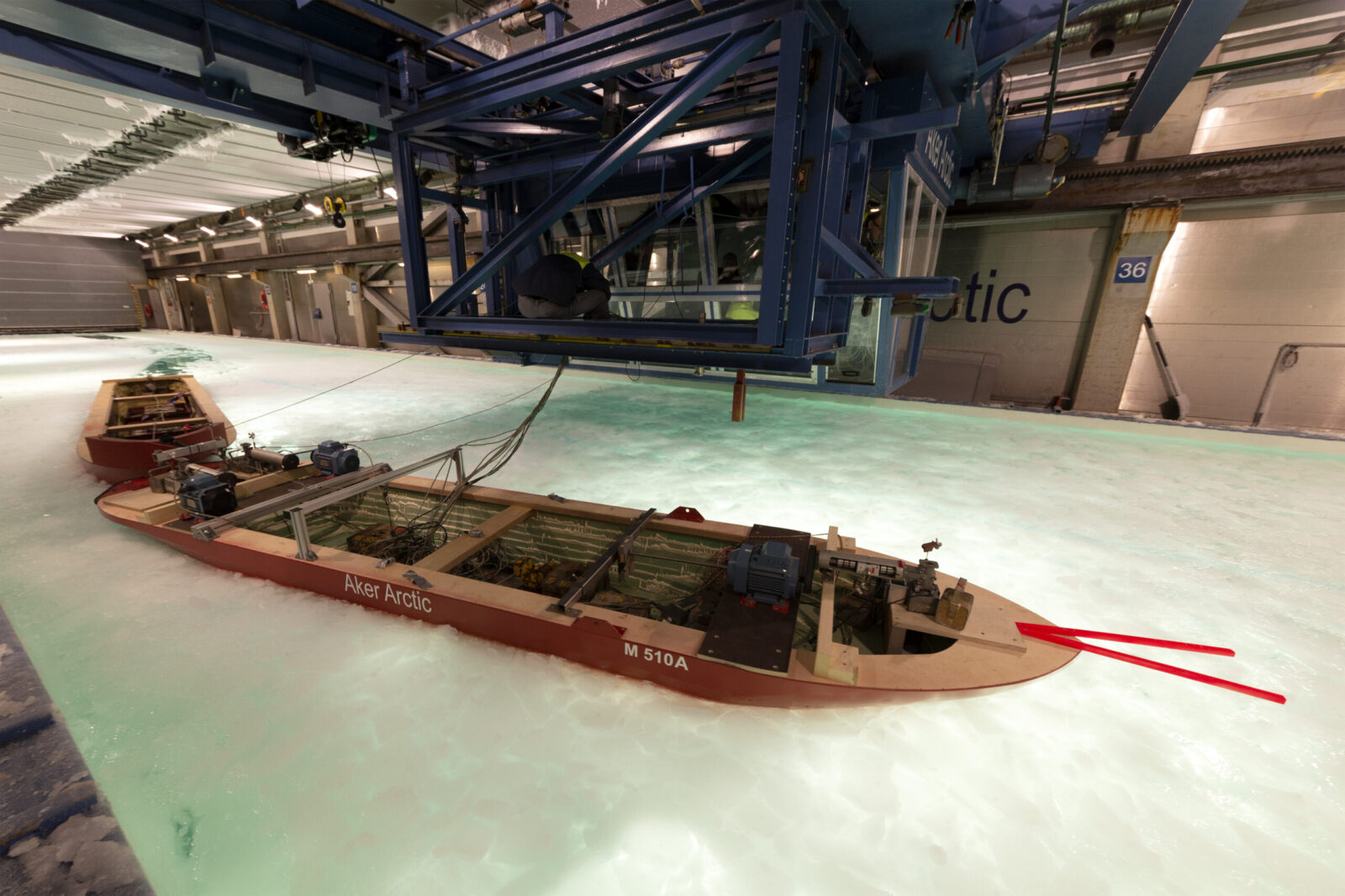
Three of the concepts were tested in ice at Railotech’s ice tank in Finland and in open water at RISE (previously SSPA) in Sweden. The test results, life-cycle costs (LCC) and life-cycle assessment (LCA) analyses were compared against the fourth baseline design.
Why triple-azimuthing propulsion prevailed
Following comprehensive evaluations, the concept alternative with three azimuthing propulsion units — two in the stern and one in the bow — was selected as the preferred solution. The arrangement, already proven through years of full-scale operation with Railotech’s earlier design, the Finnish icebreaker Polaris, delivered the best combination of performance, manoeuvrability, and efficiency compared to the other evaluated alternatives.
According to Romu, one of the most interesting aspects was comparing modern propulsion technology with a traditional four-shaftline configuration, a concept that has largely disappeared from icebreaker design during the past decades. While triple-azimuth propulsion requires a higher initial investment, the additional cost is offset by more efficient and faster icebreaking operations.
“An icebreaker based on old technology can still perform its task, but the modern solutions proved clearly superior,” he says.
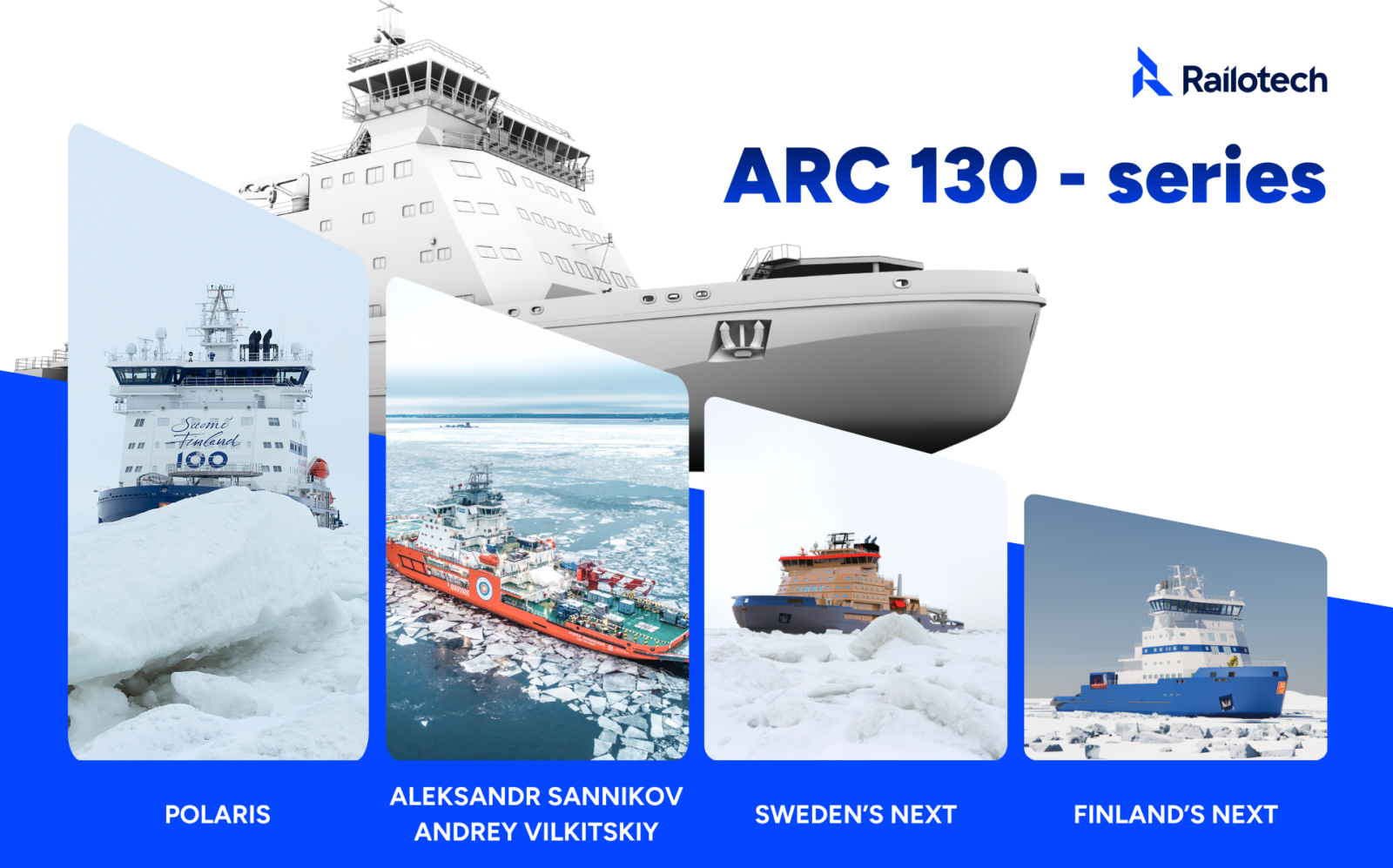
Based on the selection, the preferred concept was further refined to meet all agreed requirements related to icebreaking performance, manoeuvrability, operational efficiency, and future adaptability. Ice model tests with the final design confirmed that the concept fulfilled its performance targets.
“Ice model testing is a highly cost-efficient way to verify that a design meets customer requirements before construction begins,” Romu adds.
Cutting emissions by 70 per cent
While the hull form and propulsion system were being optimised, achieving the ambitious emissions target required equally innovative thinking.
New design methods developed by Railotech played an important role. Advanced non-linear finite element analysis was used to optimise structural arrangements, reducing unnecessary steel weight while simultaneously improving safety and structural integrity.
Machinery system simulations were combined with life-cycle cost (LCC) and life-cycle assessment (LCA) analyses to evaluate both economic and environmental performance over the vessel’s anticipated 50-year lifetime.
The results demonstrated that the new icebreaker can perform the same operational tasks as the current Atle-class fleet with 70 per cent lower greenhouse gas emissions through advanced design solutions, technical development and the use of future fuels.
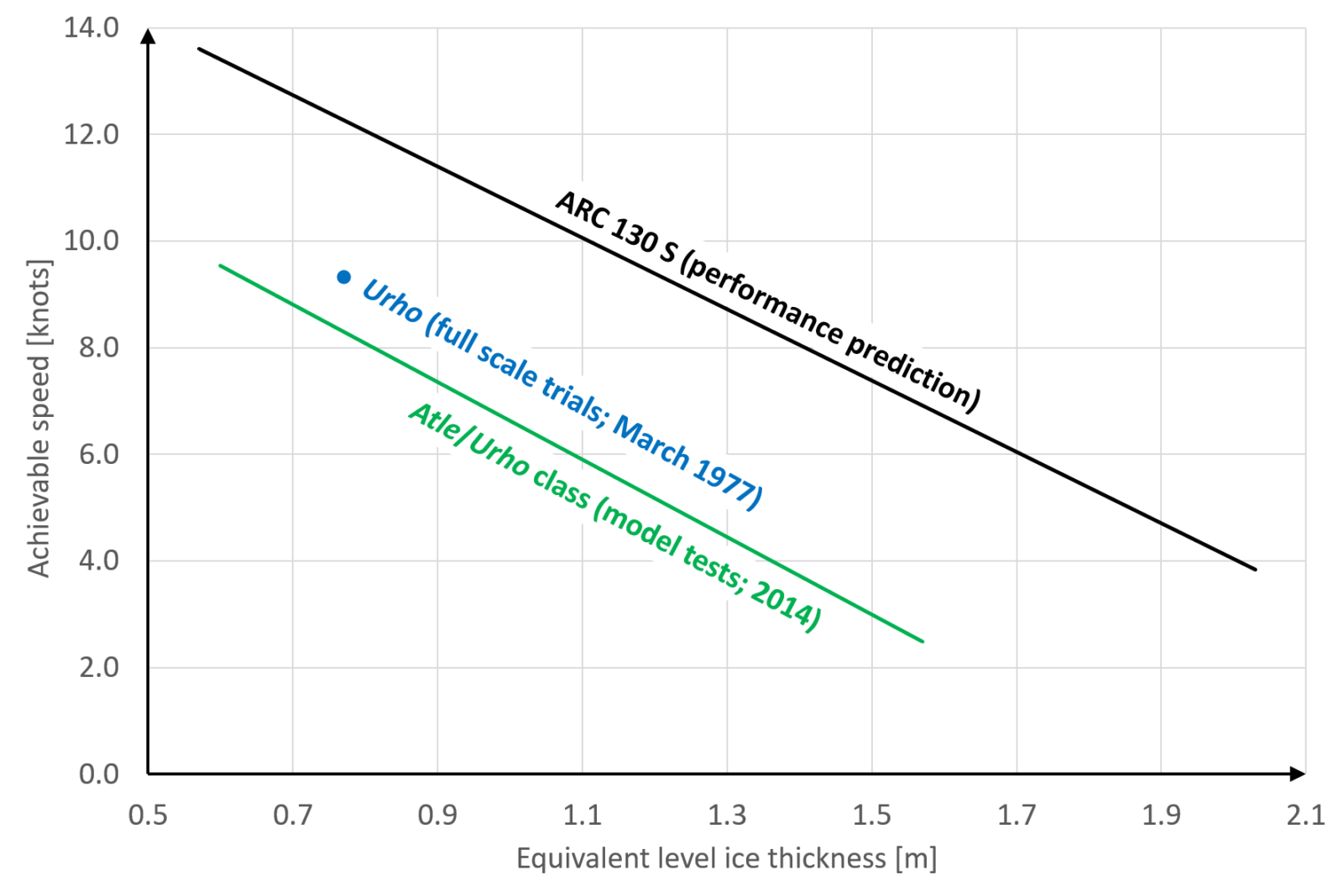
“Its capability is, however, far beyond that of the previous generation,” notes Romu. “The vessel’s maximum theoretical icebreaking capability exceeds two metres.”
Operation on fossil-free fuel
Sweden has set ambitious targets for reducing emissions from shipping, with the goal of achieving fossil-free shipping by 2030. In addition to cutting greenhouse gas emissions by 70 per cent from the Atle-class, one of the key requirements for the new icebreaker was therefore the ability to operate on fossil-free fuel.
Extensive studies began with screening alternative fuels based on their technical maturity and overall suitability for icebreaker operations. After narrowing the field to the three most promising alternatives: Hydrotreated Vegetable Oil (HVO), Liquefied Biogas (LBG), and biomethanol, each option was evaluated for its suitability in the icebreaker concept.
“Icebreakers require very high engine power, operate with long bunkering intervals and have limited space available on board,” says Esa Hakanen, Team Leader of Machinery Design at Railotech. “Selecting the most suitable alternative fuel therefore proved a complex engineering challenge.”
The world’s first methanol-ready icebreaker
According to Hakanen, the fuel containment system architecture, fuel volume and fuel weight all affect the ship’s design differently. At the same time, fuel safety and emissions reduction potential remained key priorities. Continuous dialogue with engine manufacturers ensured that the project remained aligned with the latest technological developments.
During the course of the project, the industry evolved rapidly. While liquefied biogas was initially considered the most likely future fuel, biomethanol gradually emerged as the preferred solution. As a result, Sweden’s next-generation icebreaker will be built with technical readiness for future operation on biomethanol.
“One of the most attractive characteristics of biomethanol is that it can be stored in the ship’s structural tanks at atmospheric pressure and ambient temperature, while offering significant potential for reducing emissions,” Hakanen explains. “Ongoing development by engine manufacturers has also confirmed that the technology will be available in the future.”
Efficiency built into every detail
Renewable fuels typically contain less energy per cubic metre than conventional marine diesel oil. This means larger fuel tanks are required to achieve the same operational endurance, creating challenges for vessel size and internal arrangements.
“Future fuels only work if the vessel becomes significantly more energy-efficient,” Romu highlights.
The solution was a highly optimised hull form designed to minimise resistance both in ice and open water with emphasis on the difficult conditions prevailing in the Baltic Sea. Combined with an efficient propulsion system, the design reduces overall energy consumption and fuel demand.
The vessel will also be fitted with an energy storage system. By balancing power fluctuations during operations, the battery system will further reduce fuel consumption, emissions and machinery loading.
Future-proofing for the next fifty years
Future-proofing an icebreaker involves far more than selecting the latest technology.
According to Romu, successful future-proofing depends on understanding how operational requirements, technological development and vessel longevity interact over decades of service. This relies on both quantifiable methods and deep organisational knowledge built over decades of icebreaker design, research and development.
“Choosing the newest technology is not enough,” he says. “A future-proof icebreaker must first and foremost be a high-quality vessel that is optimised for its intended mission and built to remain operational for decades.”
Throughout the project, decisions were based on extensive studies, testing, and the best available knowledge at the time. The design also provides flexibility for future upgrades as they become commercially viable.
Proving the concept at full scale
One of the design drivers was the requirement to assist Panamax-sized vessels with a beam of 32 metres.
To keep construction and operating costs under control, the icebreaker itself was designed with a slightly narrower beam. The challenge was therefore finding a way to create a significantly wider channel in ice.
The answer lies in the triple-azimuthing propulsion arrangement. By directing the aft thrusters outward, the vessel creates a powerful water-flush effect that widens the channel beyond the beam of the hull itself.
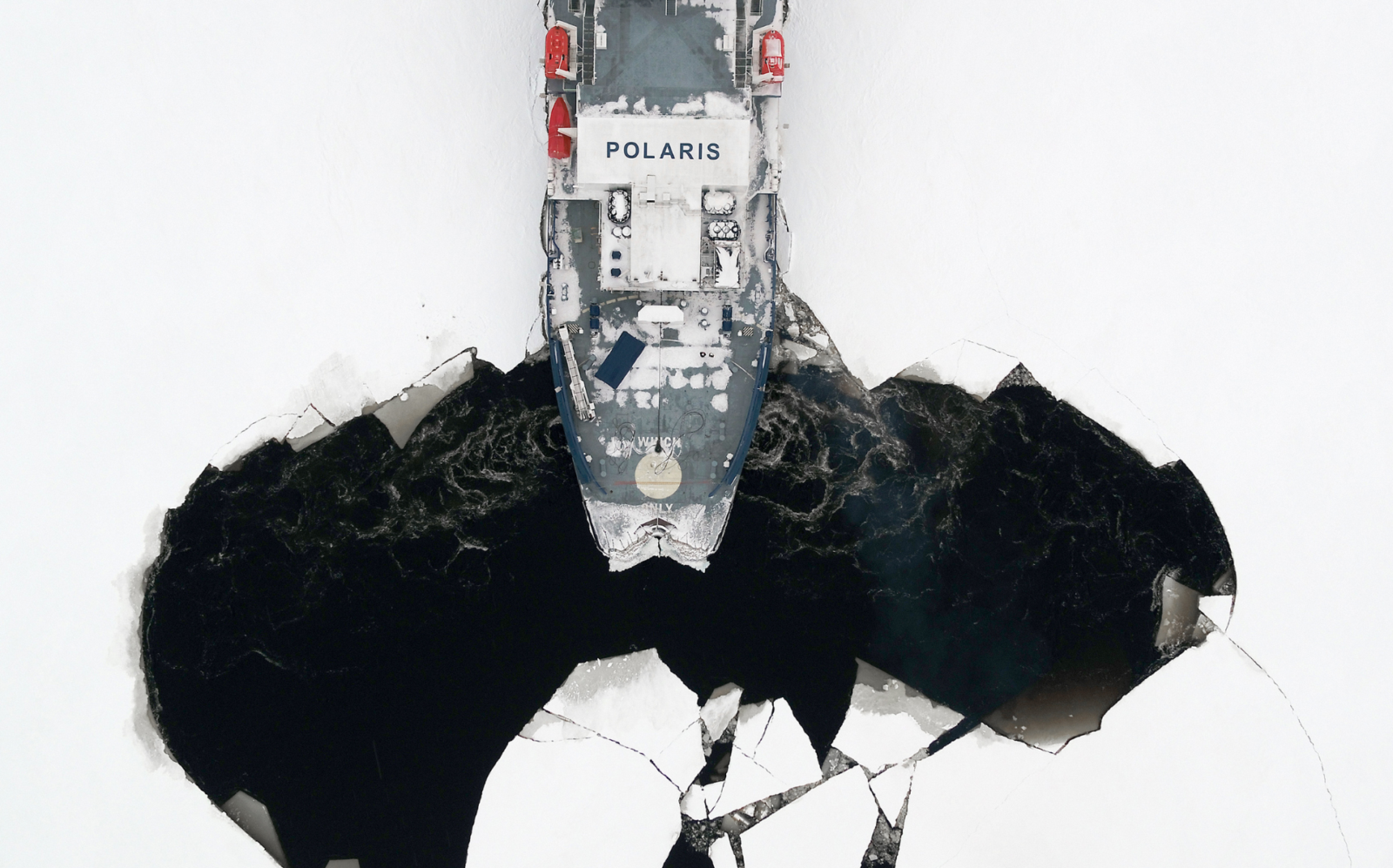
To demonstrate the concept in practice, a full-scale trial was conducted aboard the Finnish icebreaker Polaris with participation from both the Swedish Maritime Administration and the Finnish Transport Infrastructure Agency.
“Both customers were actively involved throughout the testing programme,” says Romu. “During both the ice model tests and the full-scale trial, they specified what they wanted to evaluate, and the captain demonstrated the vessel’s capabilities accordingly.”
From design to reality
While Sweden proceeded with plans to replace its largest icebreakers Atle, Ymer and Frej, the Finnish Transport Infrastructure Agency chose to begin its fleet renewal programme with the replacement of the ageing B-class icebreaker Voima. For Finland, a smaller icebreaker represented the most urgent and cost-efficient investment.
Nevertheless, the studies, model tests and full-scale trials carried out during the joint development programme provided valuable insights for both countries.
Working closely with the Swedish Maritime Administration, Railotech refined the final icebreaker concept and prepared the technical documentation required for procurement. Throughout the tender process, Railotech continued to support the client by addressing questions from shipyards and assisting with technical evaluations.
Sweden’s next-generation icebreaker will soon be under construction at Hyundai Heavy Industries and is scheduled for delivery ahead of the 2029–2030 winter navigation season. Railotech remains actively involved in the project, supporting the Swedish Maritime Administration to ensure that the vessel is delivered in accordance with its ambitious performance targets.
“The new Swedish icebreaker combines unrivalled energy efficiency with exceptional icebreaking capability,” says Romu. “Once it enters service, it will set a new benchmark for Baltic Sea icebreaking.”
Meeting Sweden’s long-term needs
According to Patrik Frick, Project Manager for the new icebreaker at the Swedish Maritime Administration, the objective has been to procure a next-generation icebreaker that will ensure reliable winter navigation for decades to come while meeting ambitious environmental and operational requirements.
“Railotech has contributed with the tender design and technical expertise during the early project phases, and the close cooperation between the Swedish Maritime Administration, Railotech, the Finnish Transport Infrastructure Agency and other stakeholders has provided a strong technical foundation for the project,” Frick says. “We now look forward to continuing the work together with Hyundai Heavy Industries and all project partners to deliver a vessel that will support safe and efficient winter navigation in the Baltic Sea for many years to come.”
In July 2026, the Swedish Maritime Administration released a report presenting the country’s future icebreaking needs as part of NATO, continued co-operation with Finland, and a renewal plan for the icebreaking fleet during the next decade.
A summary and the full report can be found (in Swedish) here
Technical details
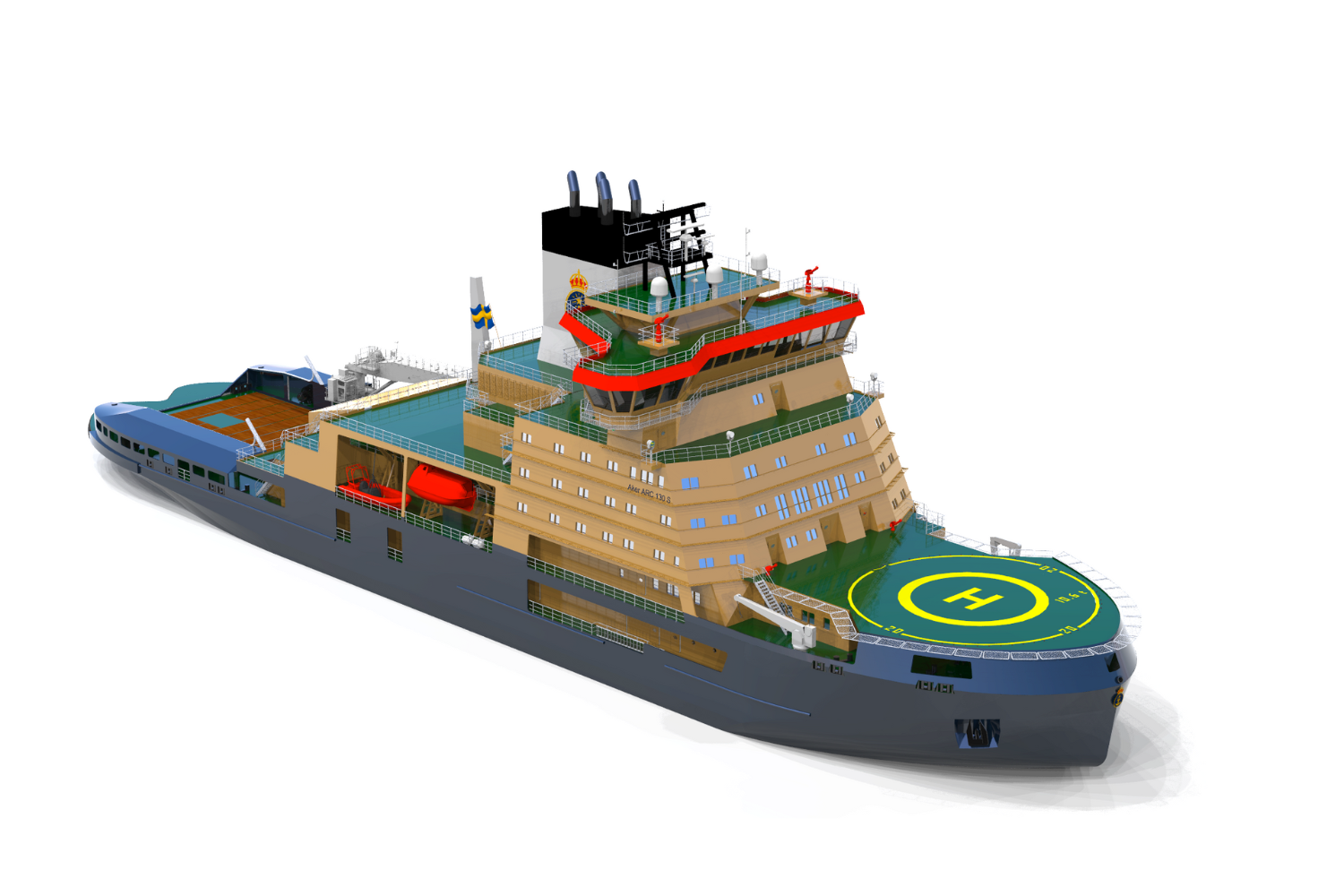
Length overall (including towing notch):
126 metres
Beam:
28 metres
Design draught:
8 metres
Displacement at design draught:
about 15,400 t
Ice class:
Polar Class 4 Icebreaker (+)
Power plant:
Multi-fuel hybrid diesel-electric; four main generating sets
Propulsion system:
three azimuthing propulsion units, about 21 MW
Operational endurance and autonomy time:
28 days with 54 persons onboard
Text by Catarina Stewen