Since opening its first ice model testing facility in 1969, Railotech has combined engineering expertise, systematic testing and real-world performance data to turn new ideas into proven solutions. Today, more than five decades and 700 ice model test series later, this accumulated knowledge continues to drive the development of increasingly efficient icebreakers.
Imagine designing an icebreaker without knowing how it will perform until it is built. For much of maritime history, this was the reality. Designers relied on experience and previous vessels, but verifying the performance of a new hull form required building the ship and testing it in real ice, an expensive and time-consuming process.
The introduction of systematic ice model testing fundamentally changed this approach. Hull forms and propulsion arrangements could now be evaluated, compared and refined before construction. Engineers gained an entirely new way to understand icebreaking, opening the door to more efficient designs and new operating concepts.
A basin built for ice
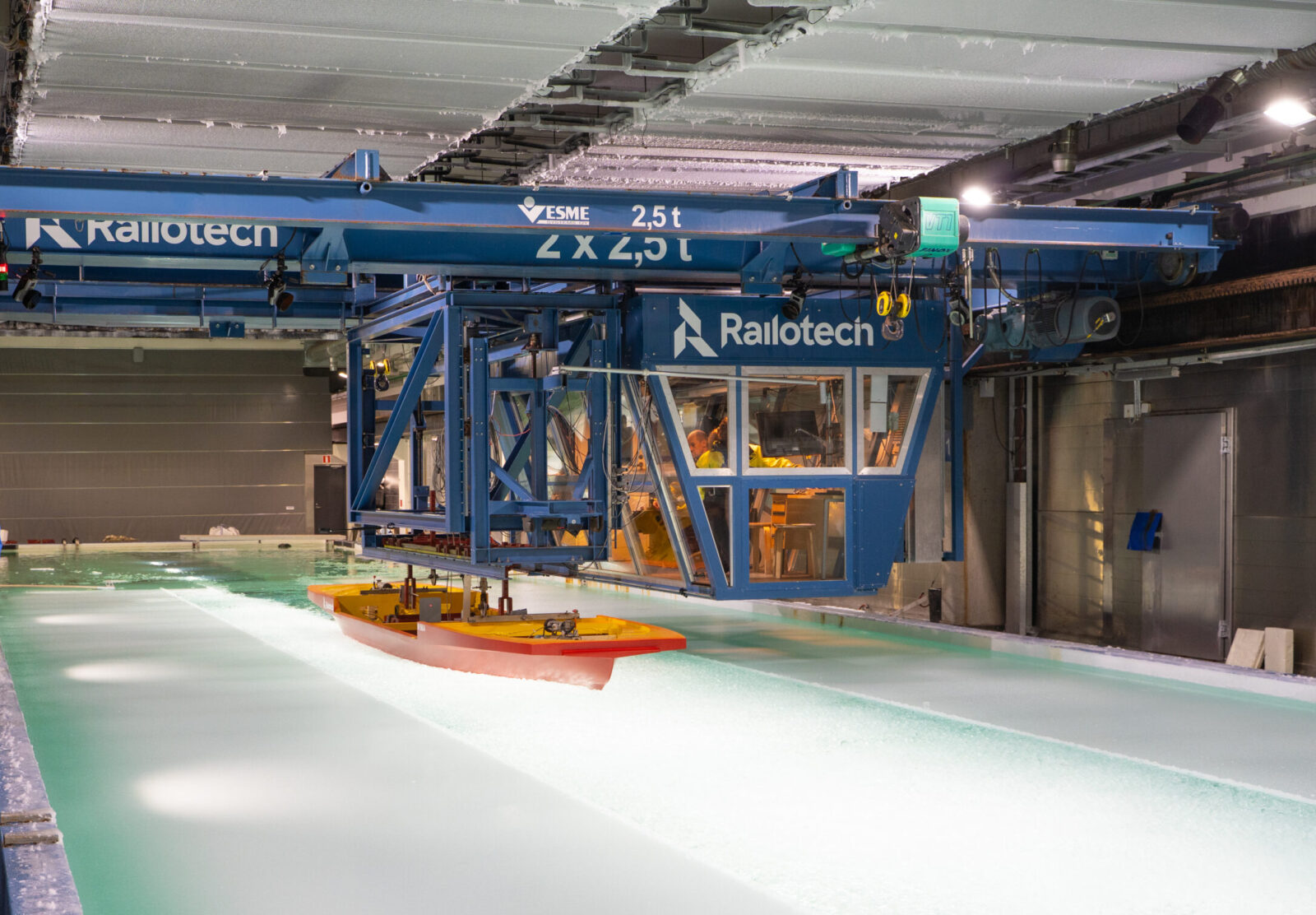
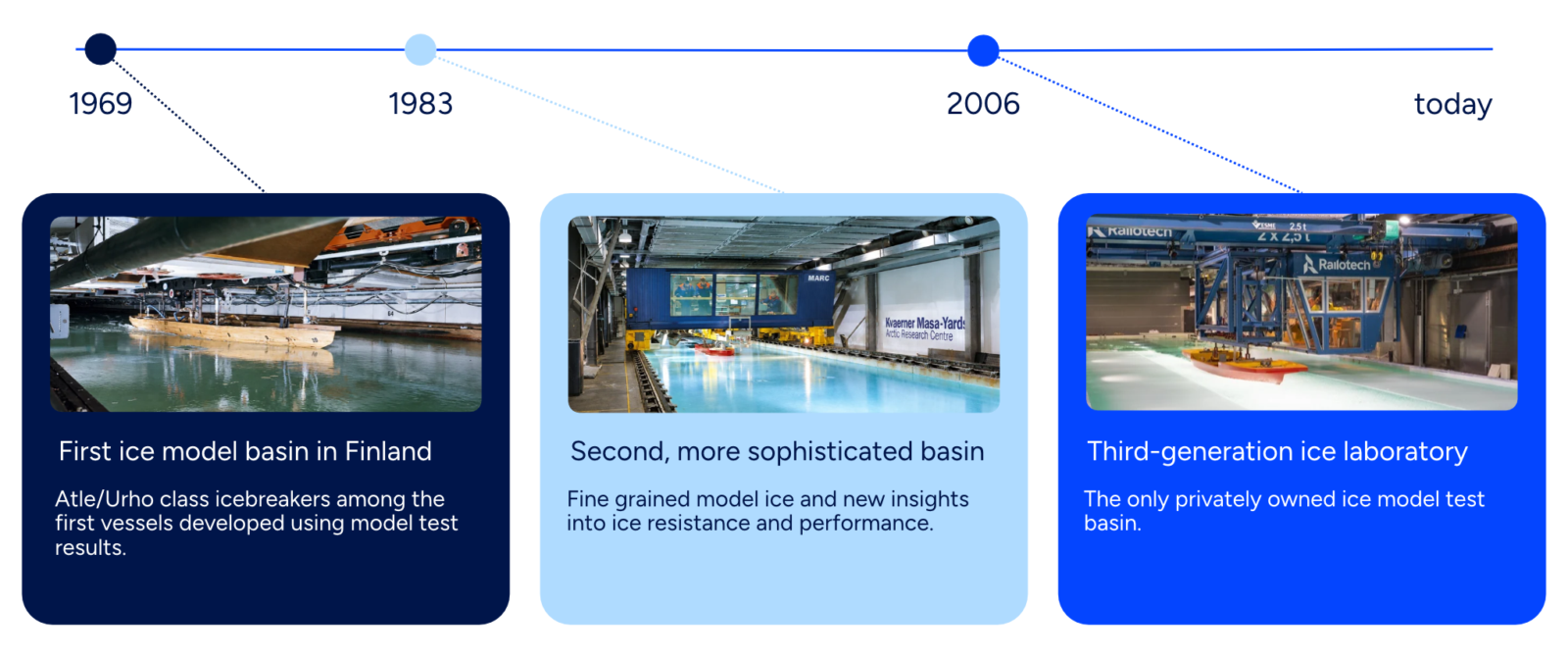
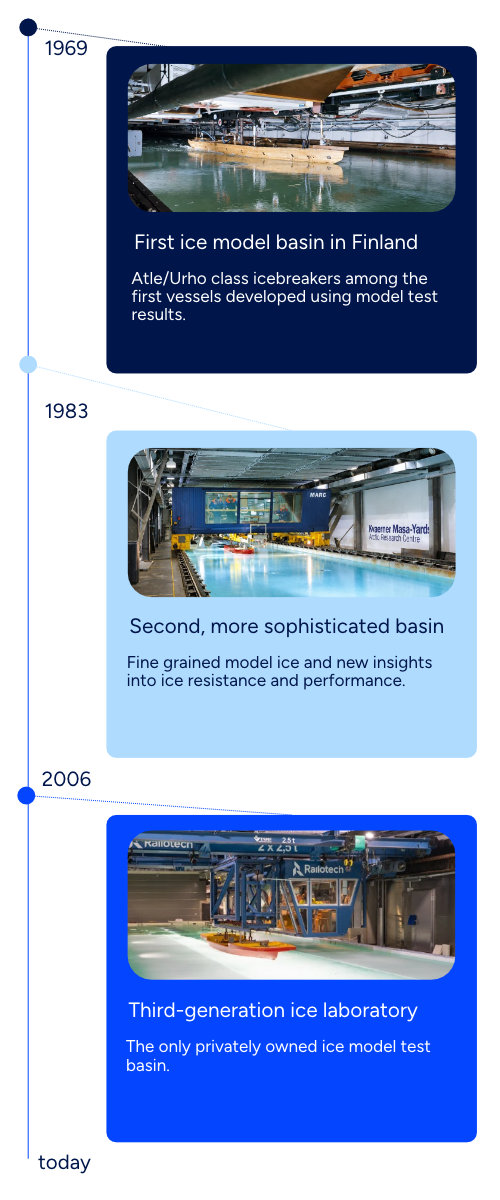
Railotech currently operates its third-generation ice laboratory, inaugurated in 2006. It is the only privately owned ice model test basin in the world. Over the decades, testing has expanded from conventional icebreaker designs to Arctic offshore structures, LNG operations and many other demanding applications.
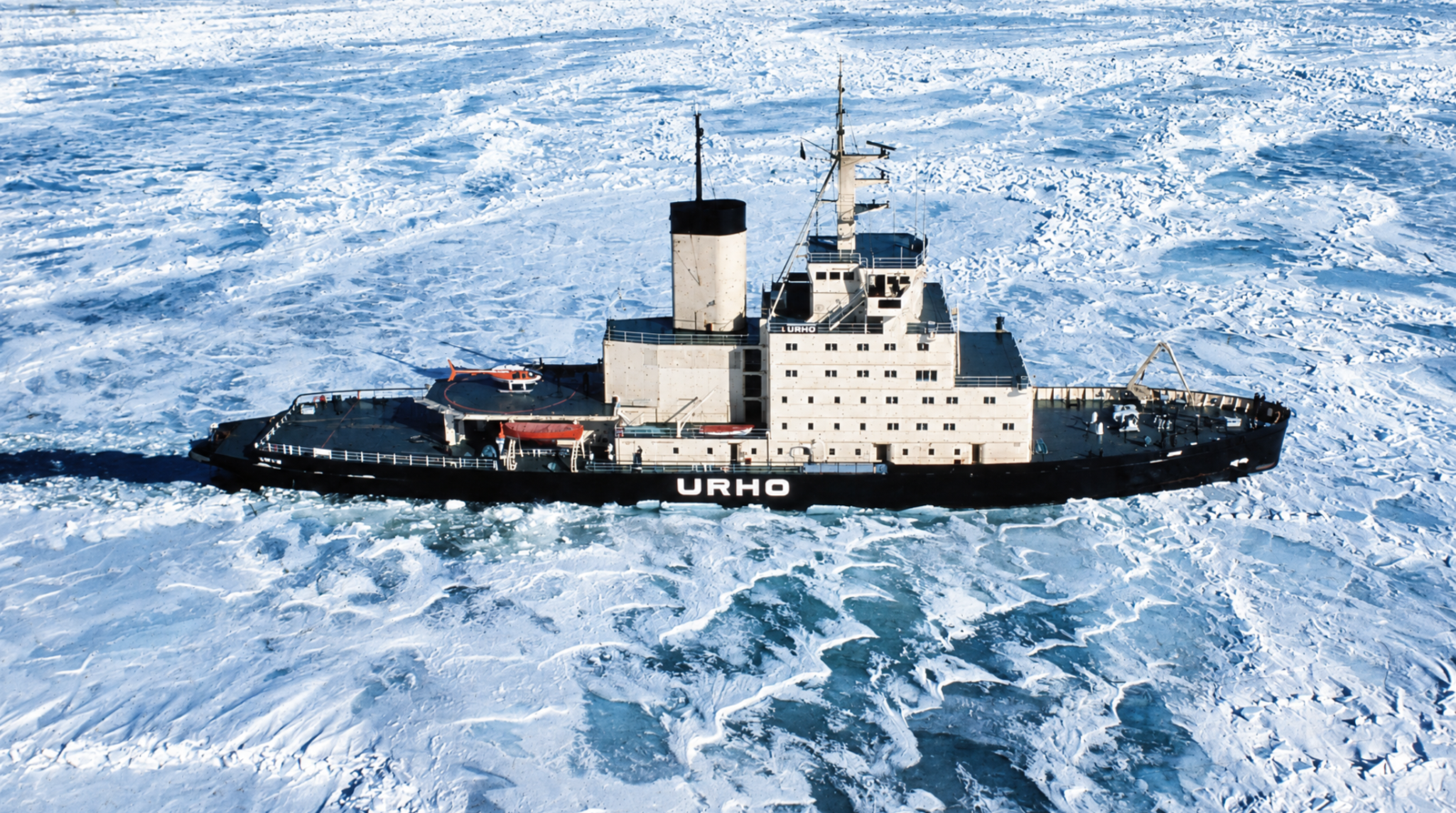
The foundations were laid in Finland’s first ice model testing facility, opened in 1969. Among the first vessels developed using ice model test results were the five Atle/Urho-class icebreakers, built for the Finnish and Swedish maritime administrations between 1974 and 1977. The vessels remain in service today.
A second, more sophisticated ice model basin, commissioned in 1983, gave engineers new tools to investigate the icebreaking process. Fine-grained model ice and improved testing methods made it possible to distinguish the components of ice resistance – breaking, friction and submersion – and gain new insights into how hull geometry influenced resistance and performance. Controlled, repeatable experiments provided a scientific foundation for exploring new hull forms and propulsion arrangements.
Today, ice model testing focuses primarily on icebreaking vessels, covering ice performance, propulsion, manoeuvrability and vessel assistance. With more than 700 test series completed, backed by more than 150 full-scale verification trials, Railotech has built an extensive knowledge base that continues to drive the development of vessels operating in demanding ice conditions.
Turning experience into better designs
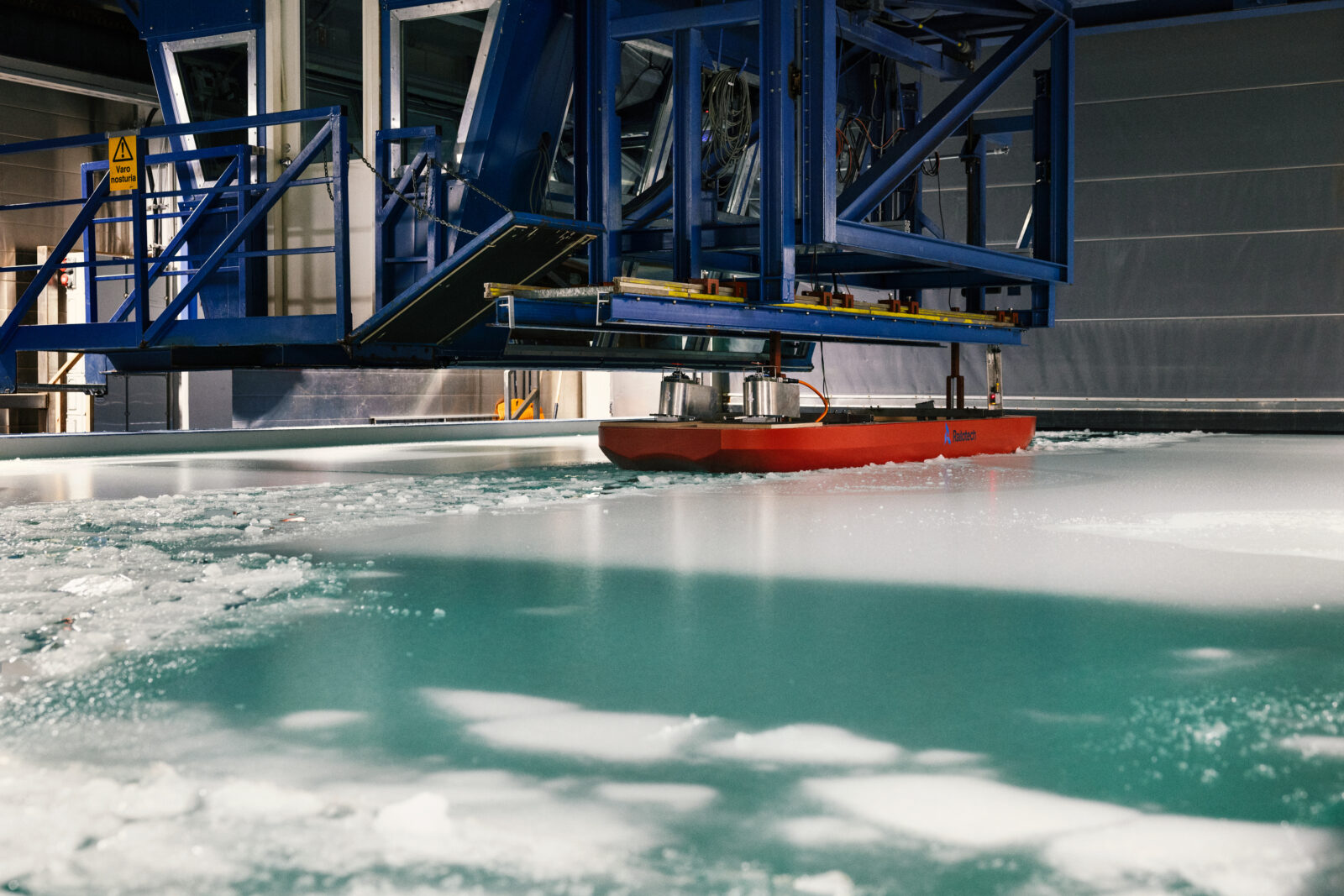
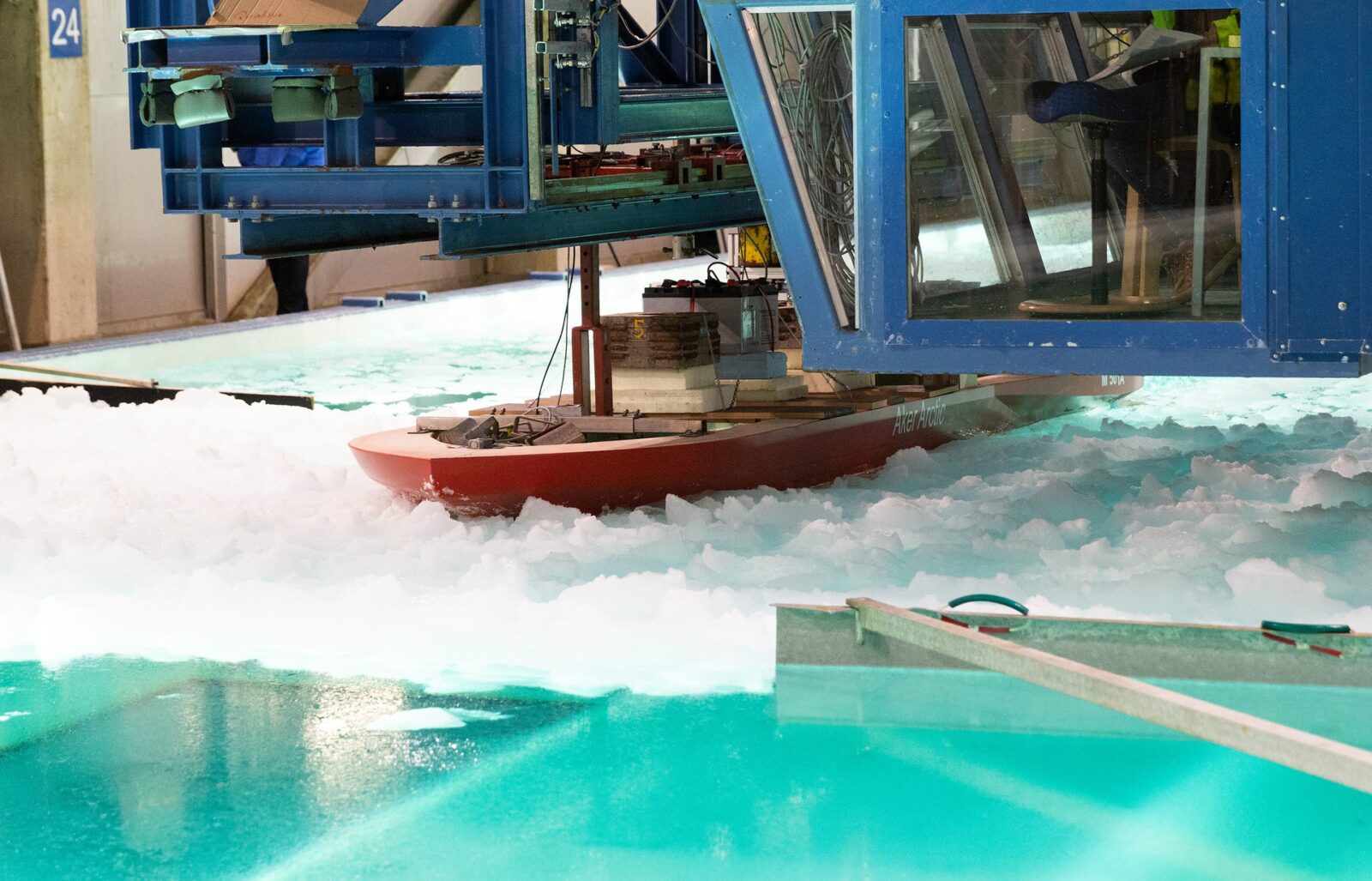
In Railotech’s ice laboratory, an icebreaker design faces its first real test long before the vessel is built. A scale model moves into a carefully prepared sheet of model ice. As the bow bends the ice, engineers observe how it breaks, where the broken pieces flow and how they interact with the hull and propulsion units.
The results reveal whether the design performs as intended, and where it could be improved. This is where Railotech’s close integration of design and testing proves invaluable. Naval architects can evaluate ideas, compare alternatives and refine designs through successive testing cycles.
“We can immediately evaluate the design, make adjustments and test again,” explains Topi Leiviskä, Lead Research Engineer for Ice Model Tests and Facility at Railotech.
Understanding how hull geometry affects icebreaking performance requires more than interpreting measurements. Experienced designers can anticipate how different hull angles influence ice resistance and ice flow, but performance also depends on ice thickness, strength, vessel speed and propulsion. Translating these complex interactions into design improvements is a fundamental part of Railotech’s expertise.
“Accurately predicting all these interactions through numerical calculations alone remains extremely challenging,” says Leiviskä. “Direct access to our ice laboratory is therefore one of the cornerstones of our design process.”
Model testing drives innovation
An icebreaker that breaks heavy ice stern-first. Another that moves sideways to open a channel far wider than its own beam. Both ideas challenge conventional thinking about how icebreakers should operate.
Turning unconventional ideas into working vessels takes more than imagination. It requires engineering expertise to develop new solutions, testing capabilities to evaluate and refine them, and the confidence to pursue concepts that depart from established practice.
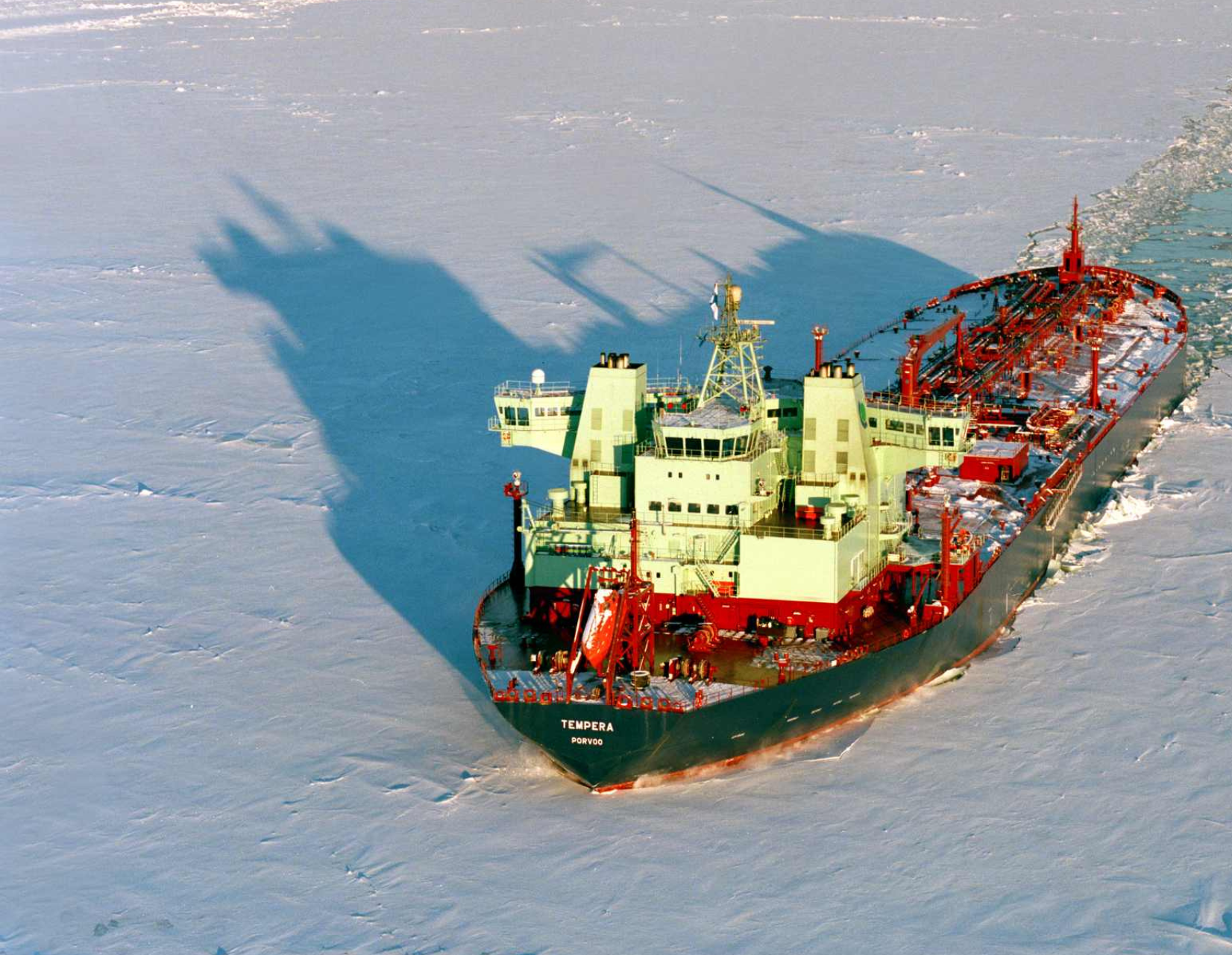
This combination of expertise and experimentation has been central to Railotech’s innovations. From Double-Acting Ship (DAS™) concept to the oblique icebreaker Baltika and the Polar Class 2 cruise vessel Le Commandant Charcot, model testing has played a critical role in turning new ideas into practical solutions.
DAS: From radical idea to Arctic standard
The development of Azipod propulsion and Double-Acting ShipTM technology relied on direct access to the ice model basin, where different solutions could be evaluated and refined before validation through full-scale testing.
Propulsion has remained an important area of development. In recent years, Railotech has systematically investigated different propulsion arrangements to improve efficiency and manoeuvrability across a wide range of ice operations.
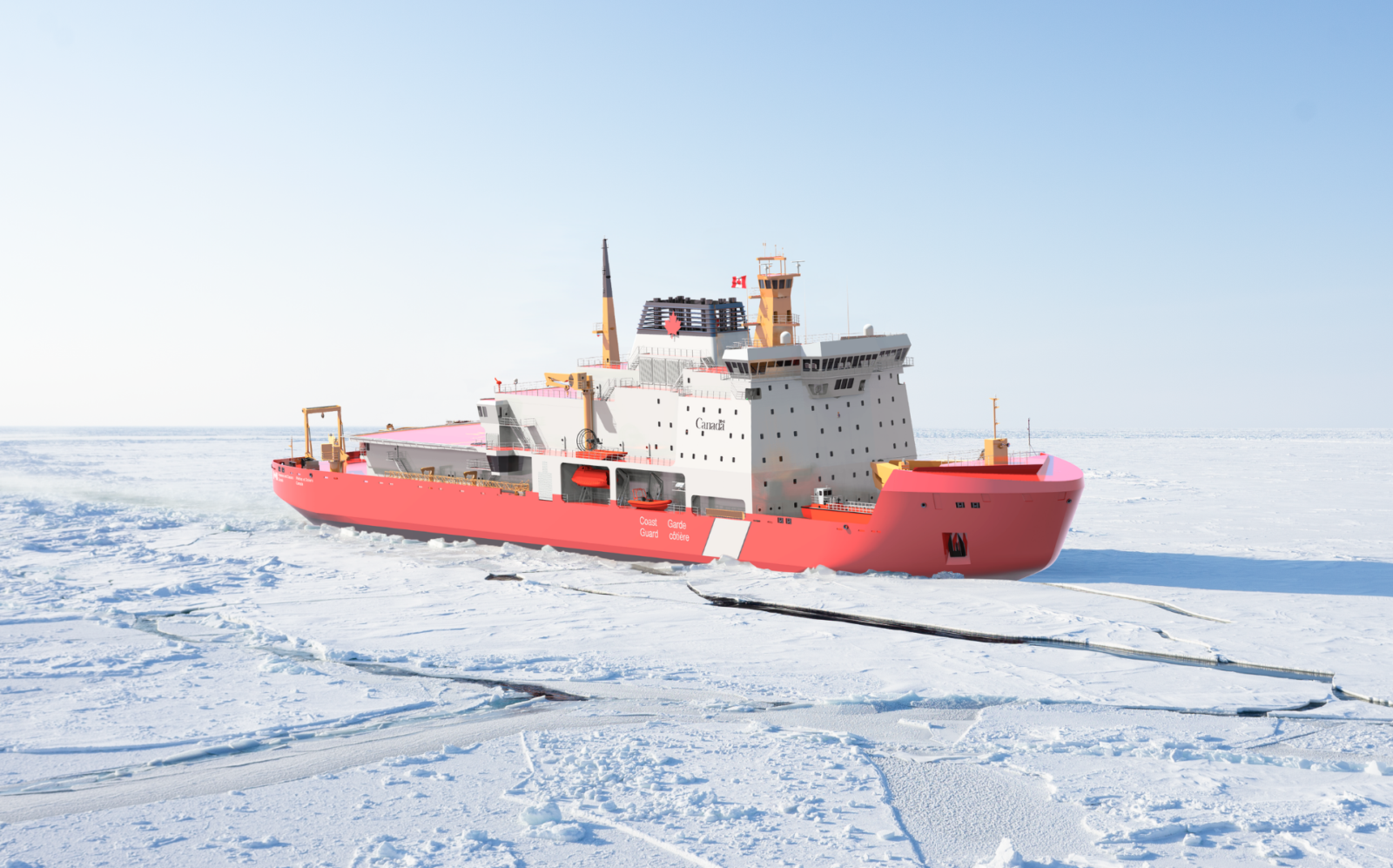
Model tests have compared conventional shaftlines and azimuthing propulsion units, examining their positioning, configuration and interaction with the surrounding hull geometry. One result is Railotech’s hybrid propulsion concept, selected for all Polar Class 2 icebreakers currently under construction.
“Two azimuthing propulsion units provide excellent manoeuvrability and agility, while a centre shaftline delivers efficiency in continuous ice operations,” explains Senior Research Engineer Toni Skogström.
Precision and repeatability
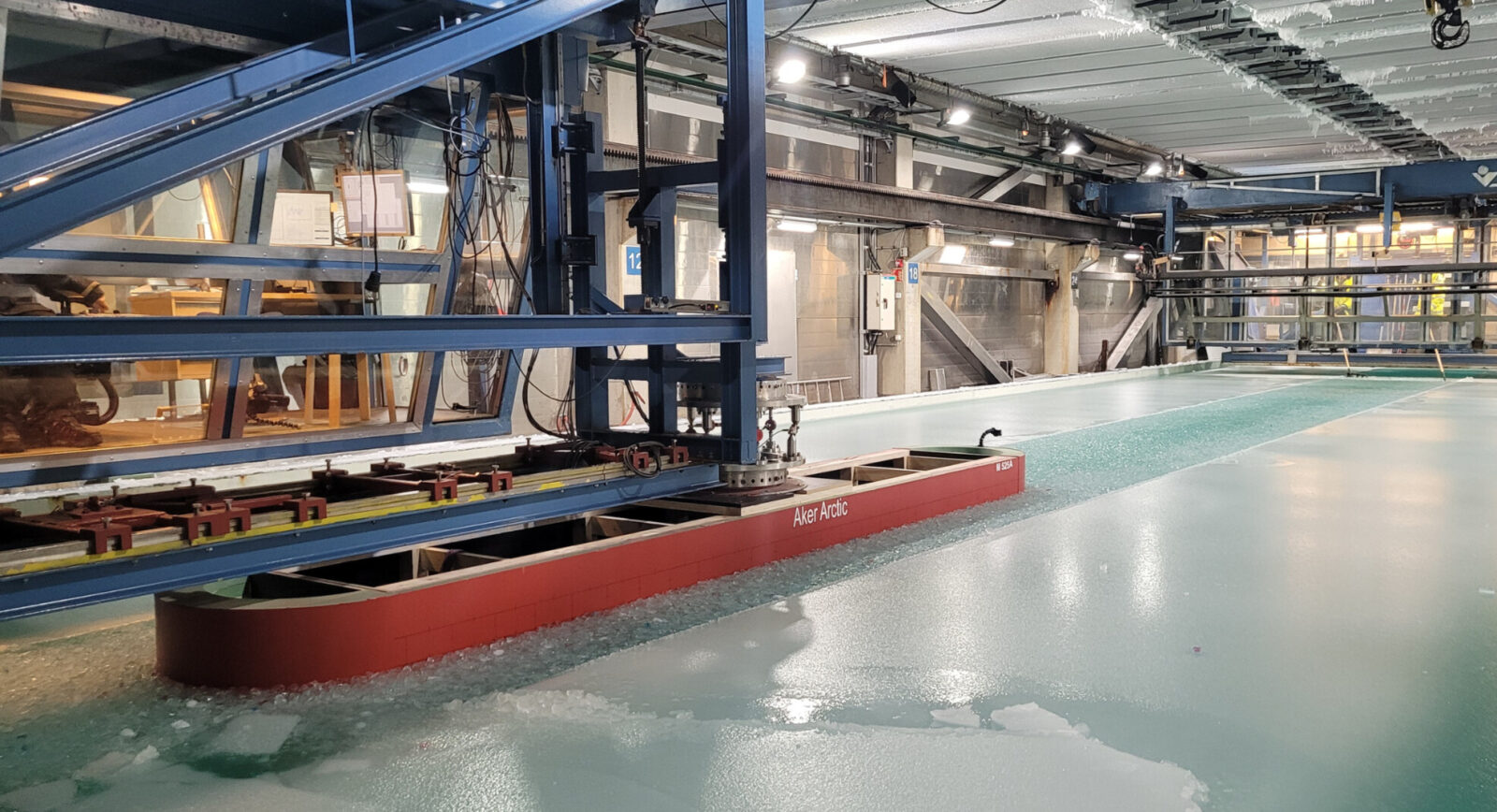
Reliable ice model testing depends on carefully controlled conditions and high-quality model ice. Ice thickness, strength and uniformity must meet specific requirements to ensure that results are accurate and comparable.
Railotech has continuously refined its ice production methods and upgraded its testing equipment. Computer-controlled testing improves repeatability, making it possible to compare different design alternatives under equivalent conditions.
“Repeatability is essential when comparing different solutions and in conducting operational tests,” says Skogström. “By recording the test parameters and procedures, we can reproduce the same test on a new ice sheet and reliably compare the results.”
Advances in camera technology have further improved testing capabilities. Cameras positioned around and beneath the model reveal how ice interacts with the hull and propulsion units in real time.
“For example, ridge penetration requires active use of the propulsion units,” Skogström explains. “The test engineer can monitor what happens under the hull in real time to ensure that the test proceeds as planned.”
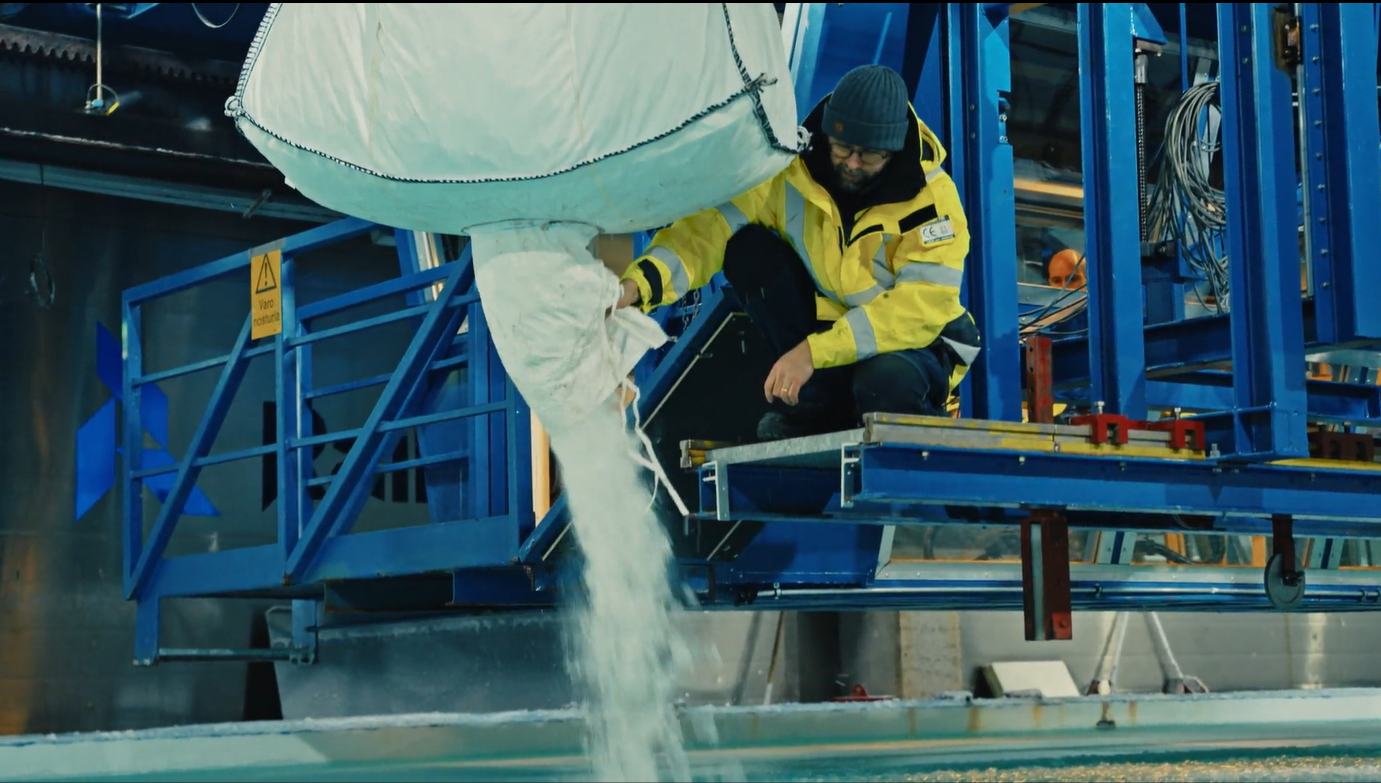
Every ice model test requires detailed planning
Find out what an actual test day looks like.
From model testing to proven performance
While ice model testing provides controlled and repeatable conditions, natural ice is far more complex. Uniform level ice is relatively rare in actual operations, and the interaction between ice, snow, water, hull and propulsion cannot be fully reproduced in the laboratory. This is why full-scale measurements are also an essential part of Railotech’s development process.
With decades of experience and more than 150 full-scale ice trials, Railotech has established an extensive database connecting model-scale predictions with actual vessel performance. The knowledge gained from full-scale trials feeds directly back into new designs and model testing, continuously improving prediction methods and design solutions.
This is Railotech’s core strength: combining icebreaker design, model-scale testing and full-scale validation into a continuous development process.
After more than five decades and 700 ice model test series, Railotech’s designers do not have to wait until a vessel is built to evaluate its icebreaking performance. This accumulated knowledge gives them the confidence to challenge established thinking, develop new icebreaking solutions and advance icebreaker technology.
Text by Catarina Stewen